Custom-built, life-size exhibits engineered to your venue — your dimensions, your movement set, your control type.

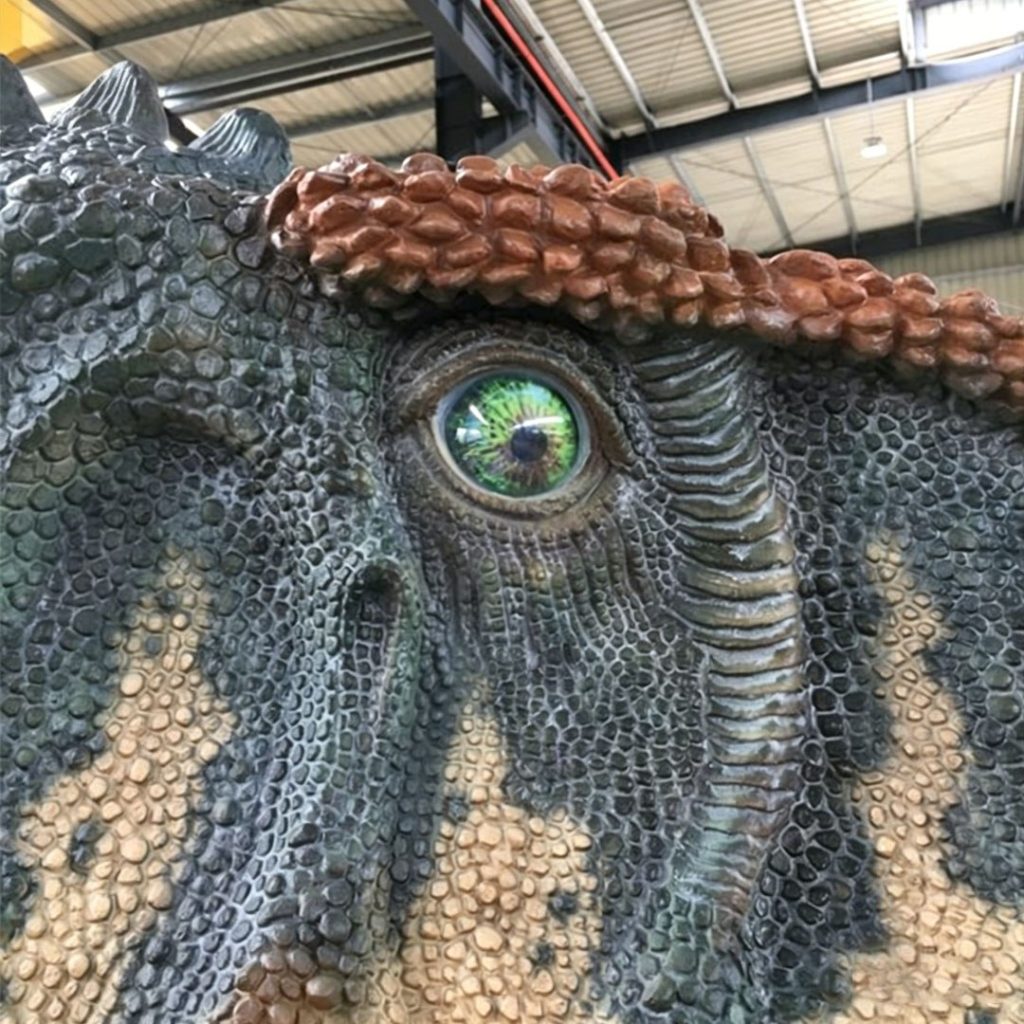
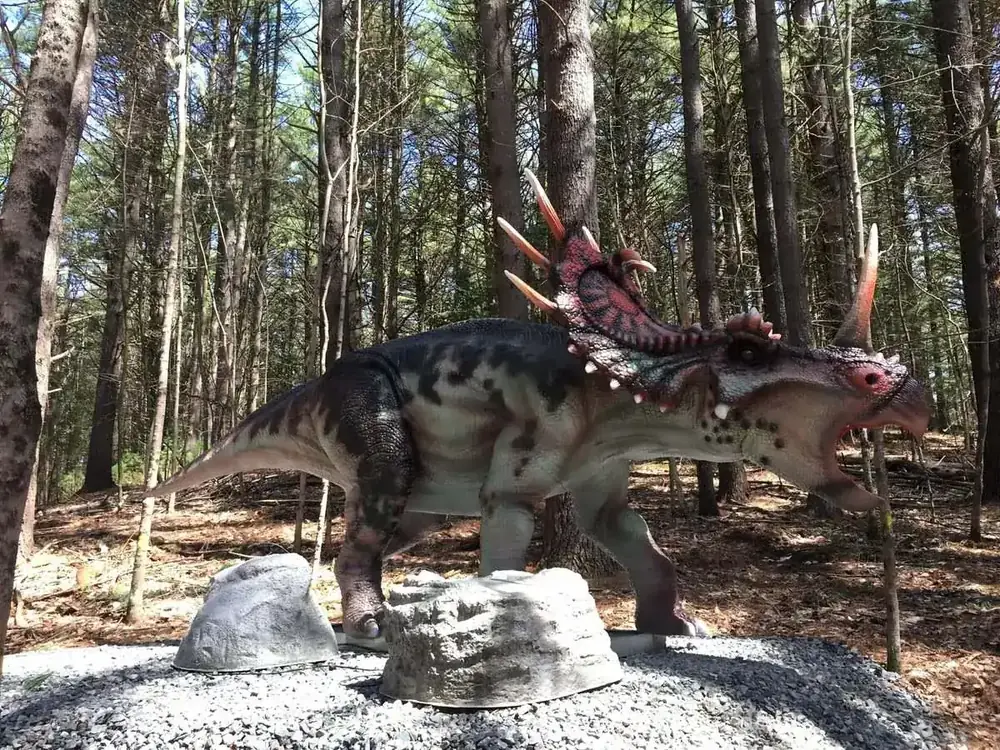
This ceratopsian is built around the skull: a deep beaked head with a raised bony crest above the…
View Product
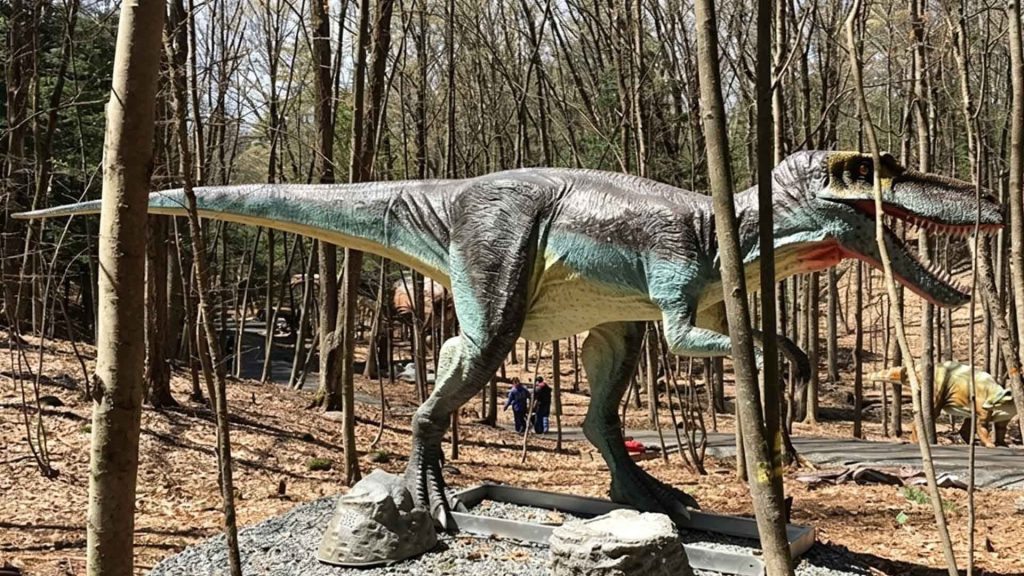
A Megalosaurus is built around the jaw. The skull is long and heavy, the gape is wide, and…
View Product
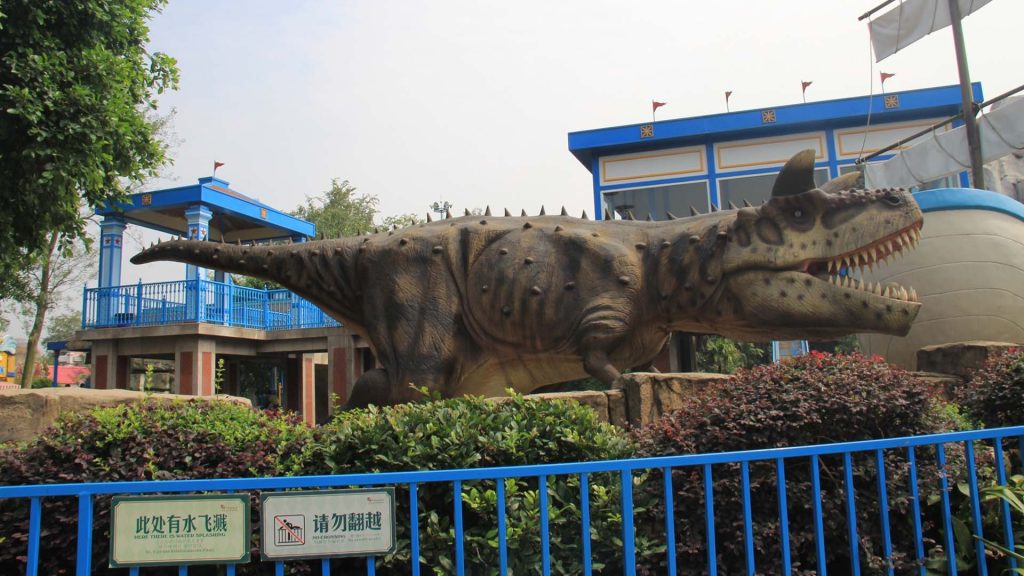
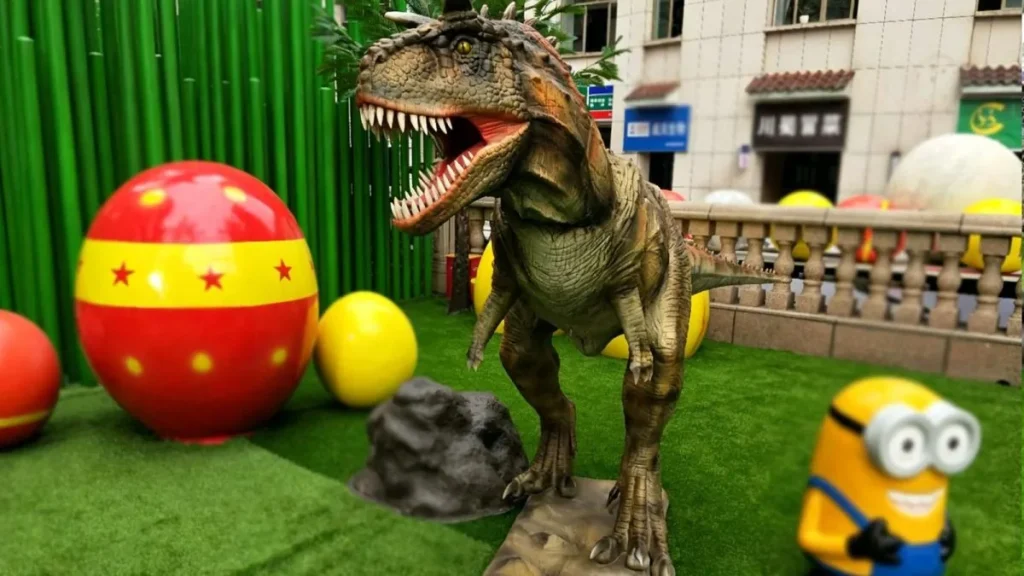
A Carnotaurus carries two curved horns over a short, deep skull, and the animal is built around that…
View Product
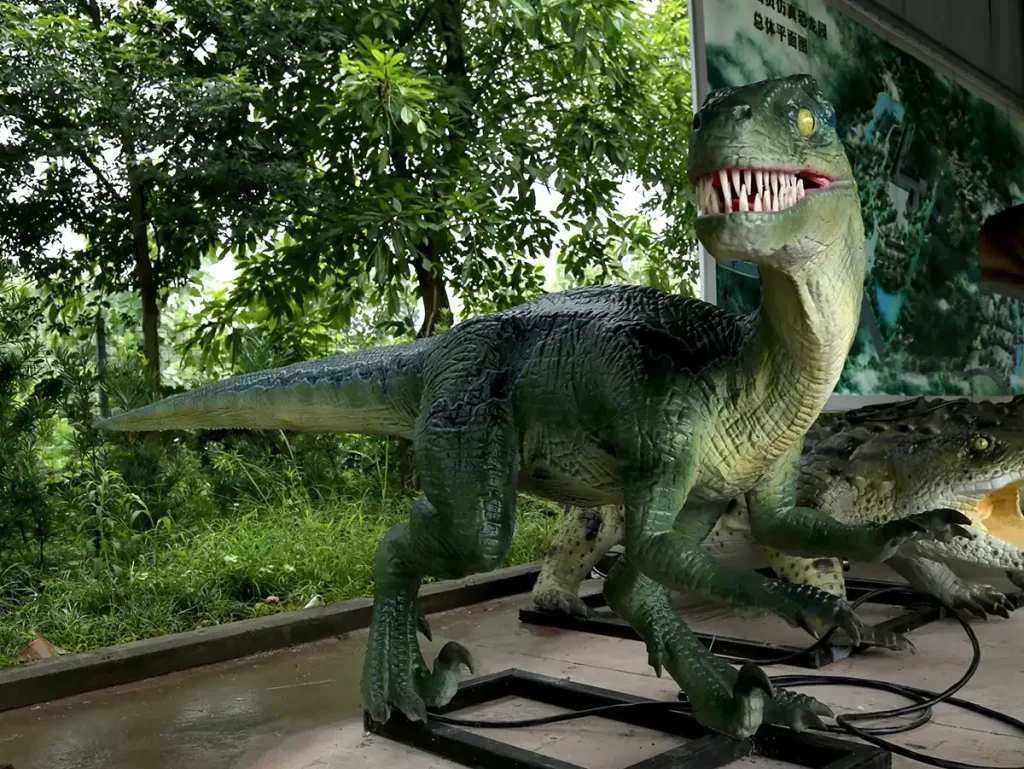
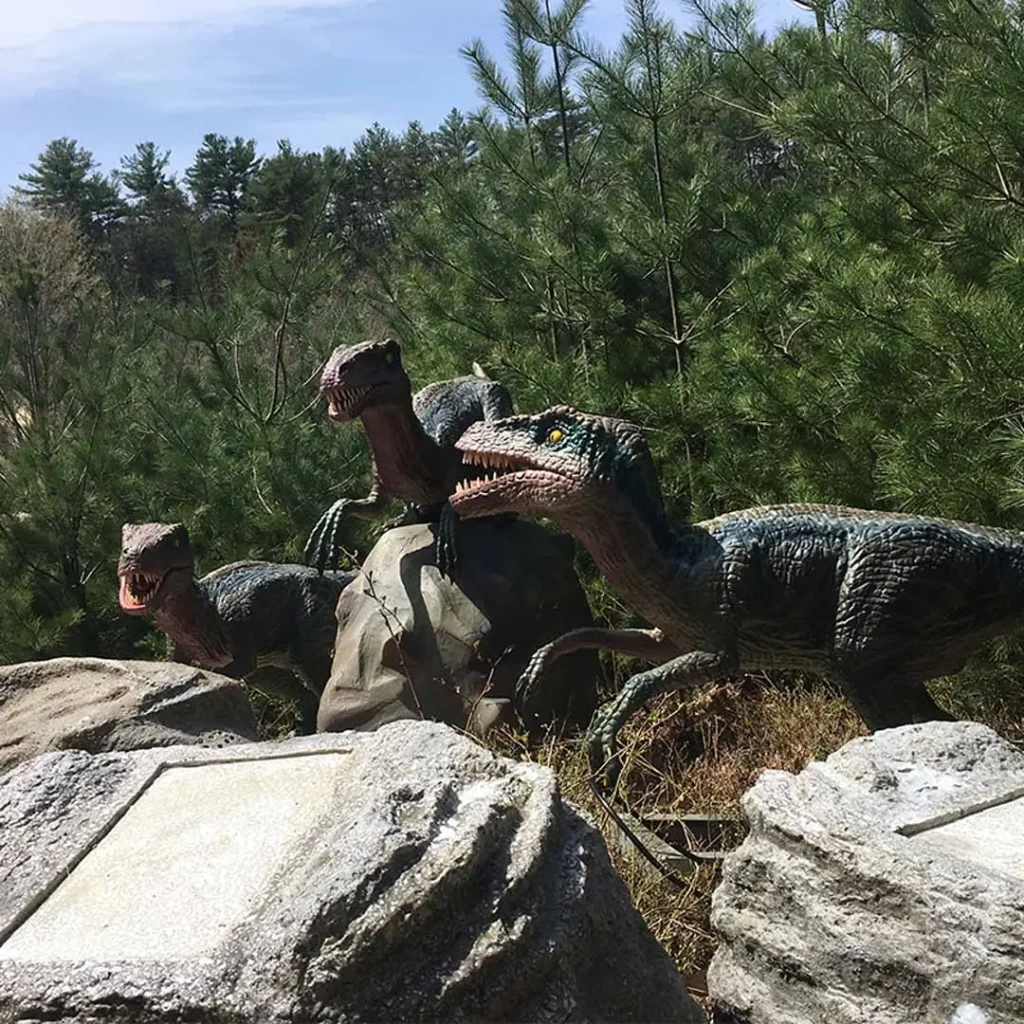
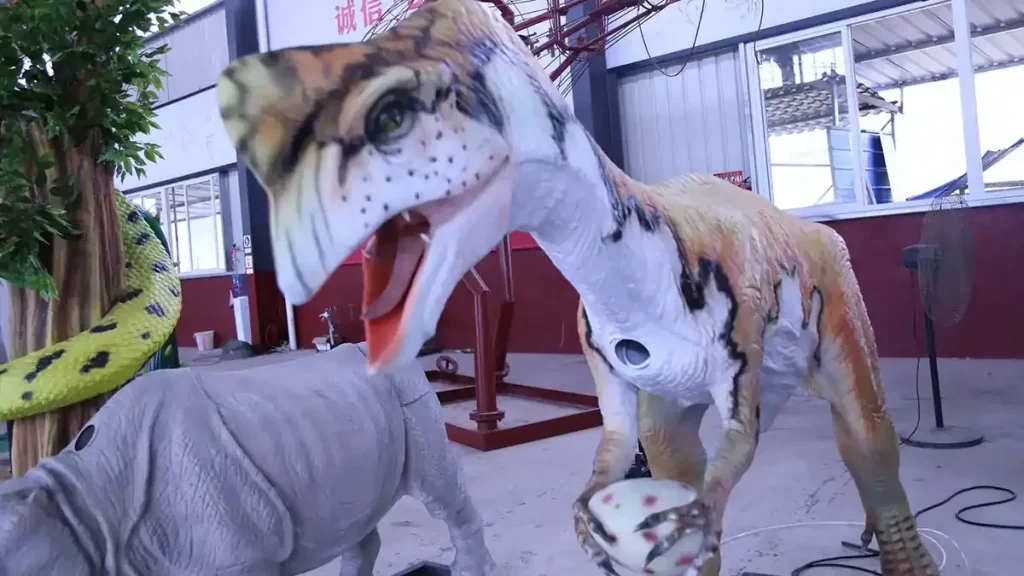
A velociraptor is read from the feet up. The sickle claw on the second toe, the stiff counterbalancing…
View Product
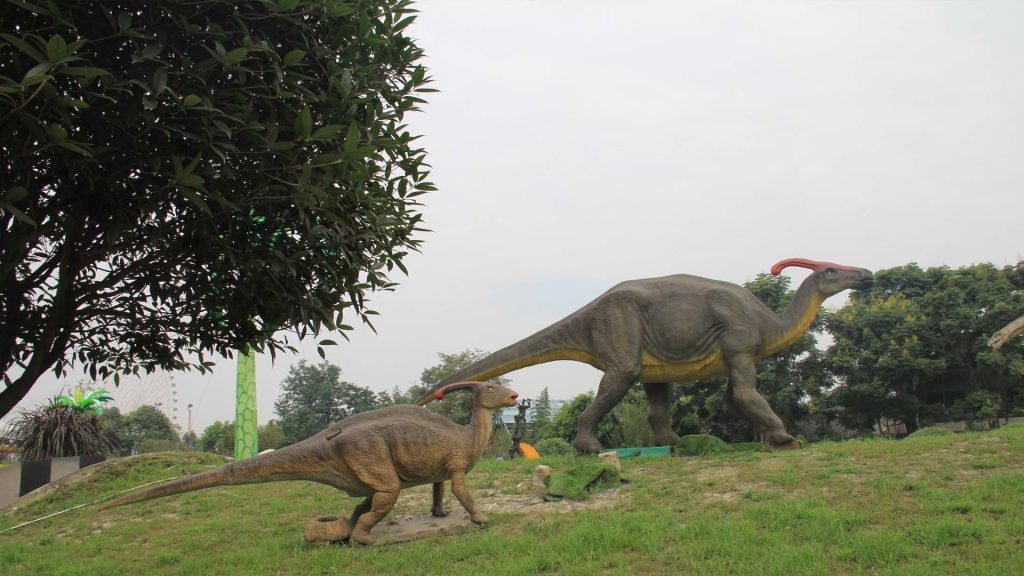
The crest is the reason a Parasaurolophus is worth building. It is a sound instrument as much as…
View Product
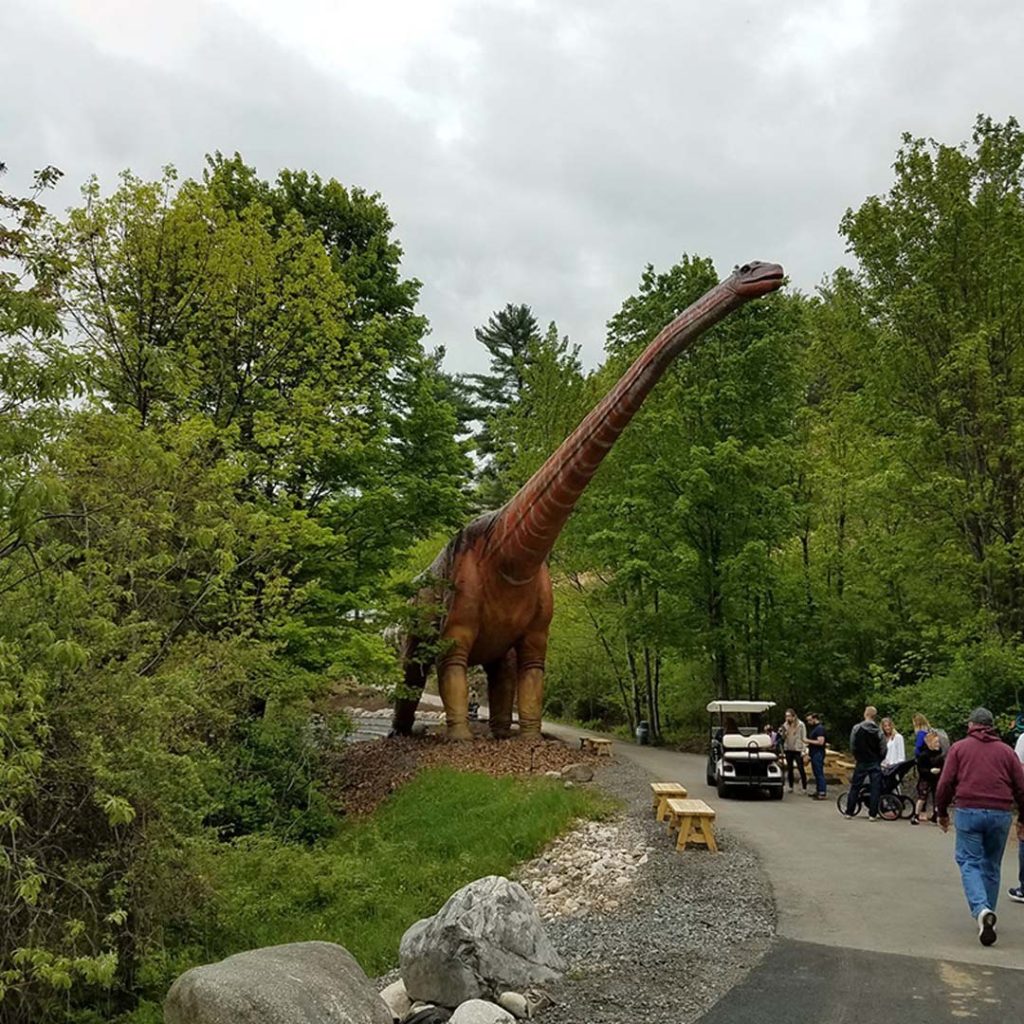
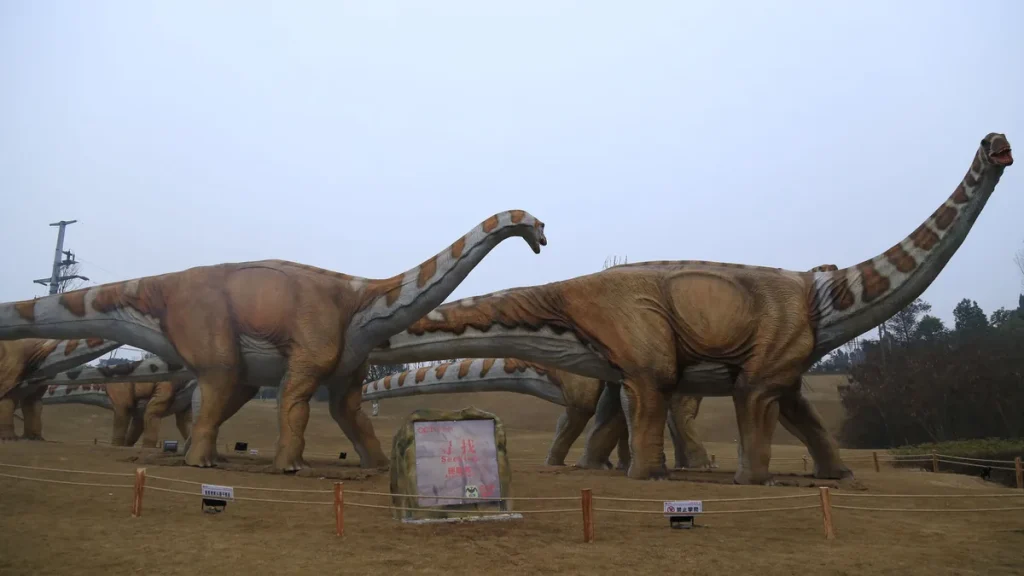
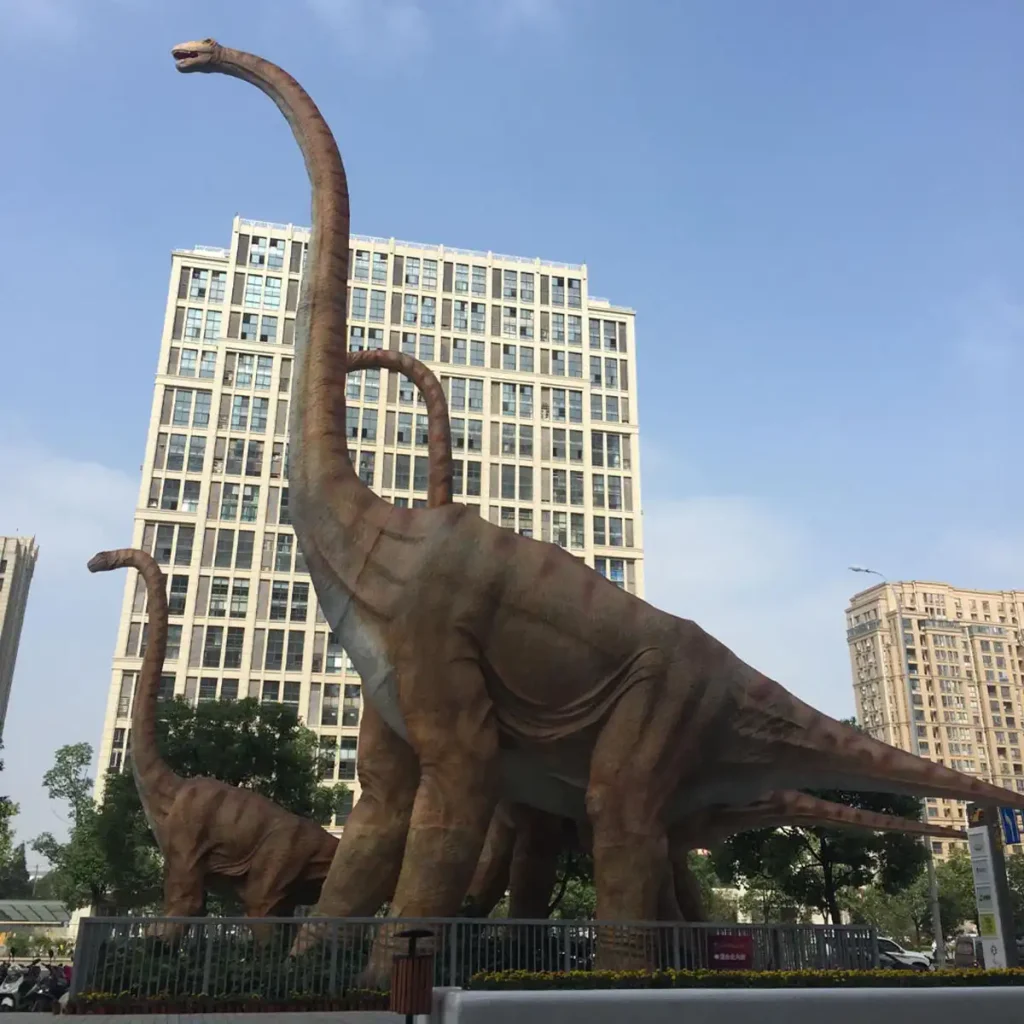
A sauropod changes the scale of everything around it. An Argentinosaurus stands with its neck up and its…
View Product
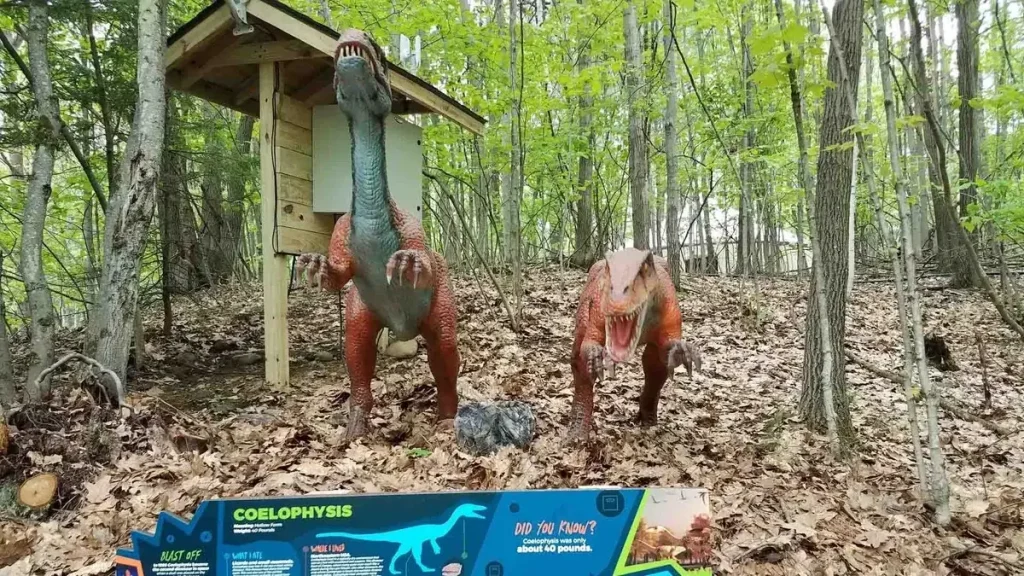
Coelophysis is one of the earliest known dinosaurs and one of the lightest — a slender, hollow-boned theropod…
View Product
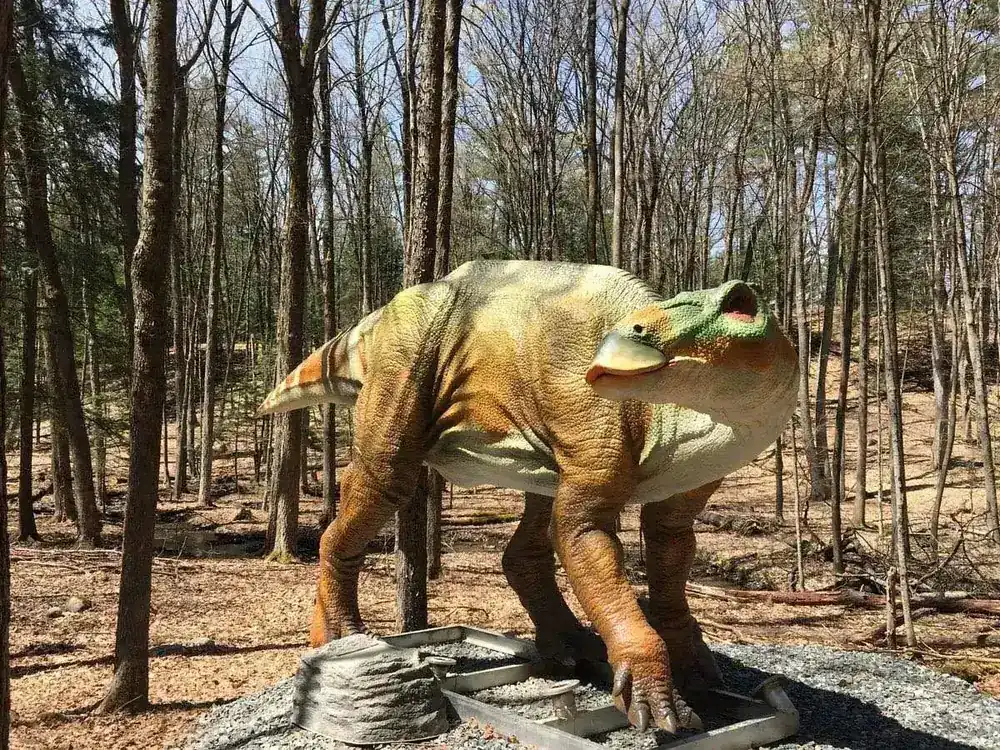
The duck-billed dinosaurs are the least dramatic animals in the catalogue and the ones that read most like…
View Product
Styracosaurus gets mistaken for a Triceratops more than any other animal in the catalogue, and the mistake is…
View Product
A long-neck dinosaur is the piece that makes a park look like a park from a distance. It…
View Product
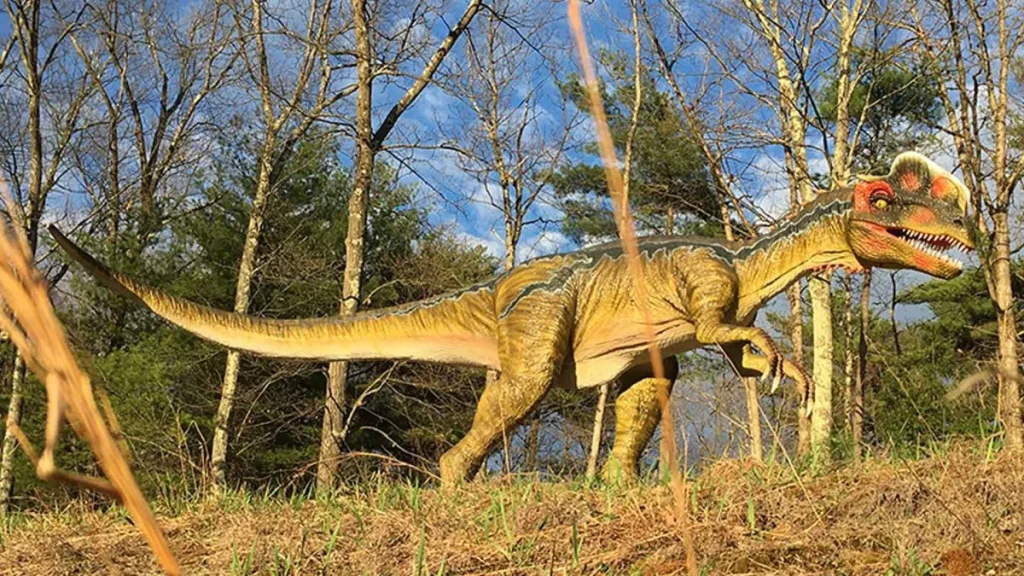
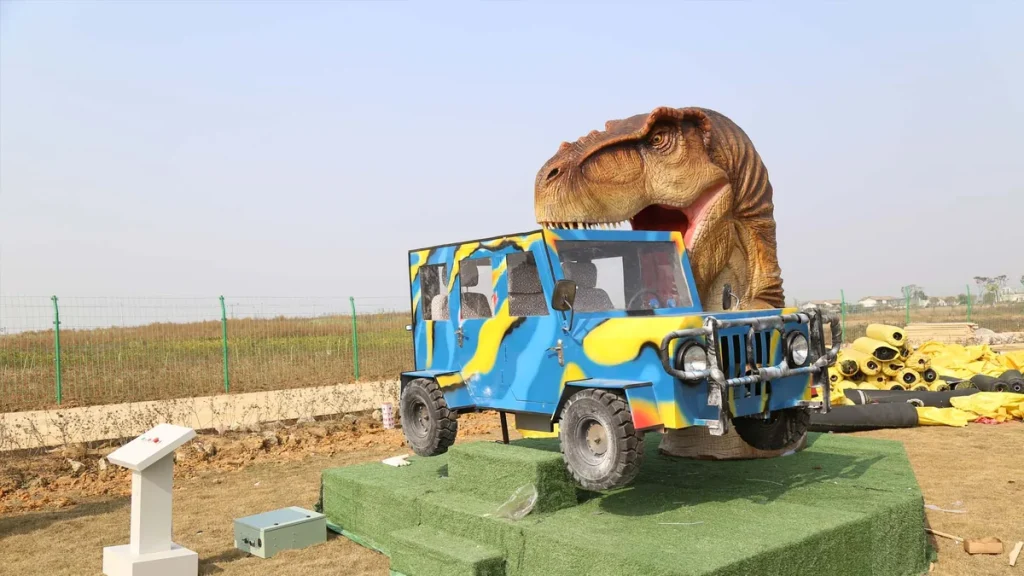
This is the exhibit build of the Dilophosaurus, not the ride. Same animal, same silhouette, different job: it…
View Product
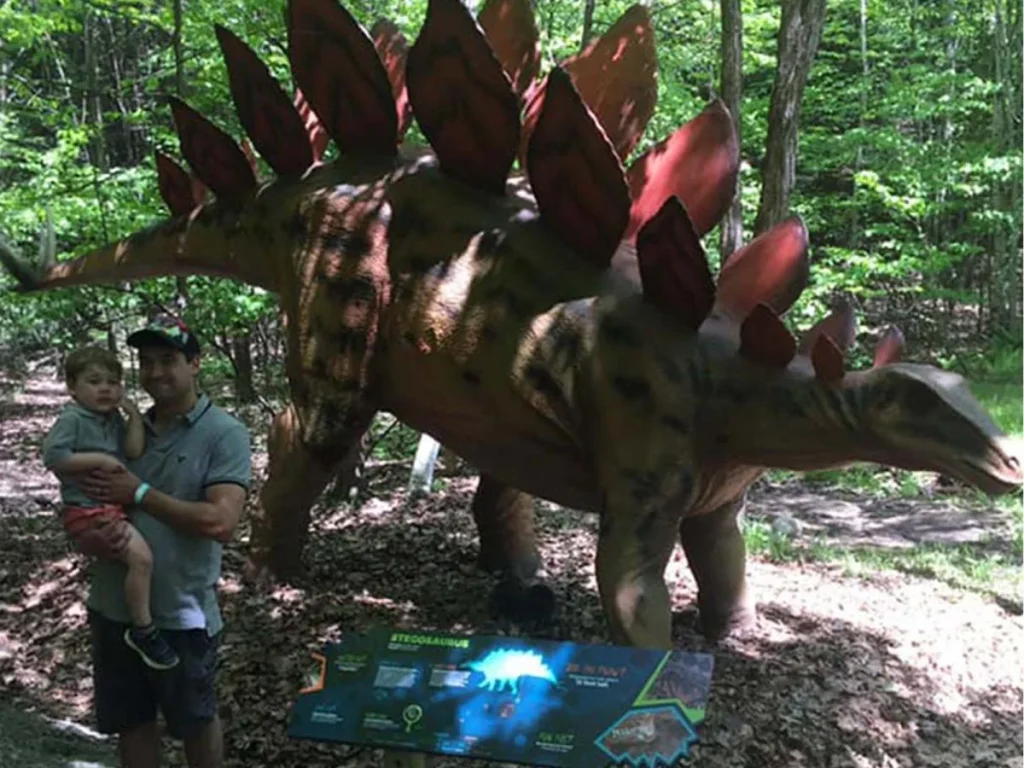
A Stegosaurus is the easiest dinosaur to recognise and one of the harder ones to build. The plates…
View Product
A single Velociraptor in a hall reads as a large bird. Three of them, in different stances, facing…
View Product
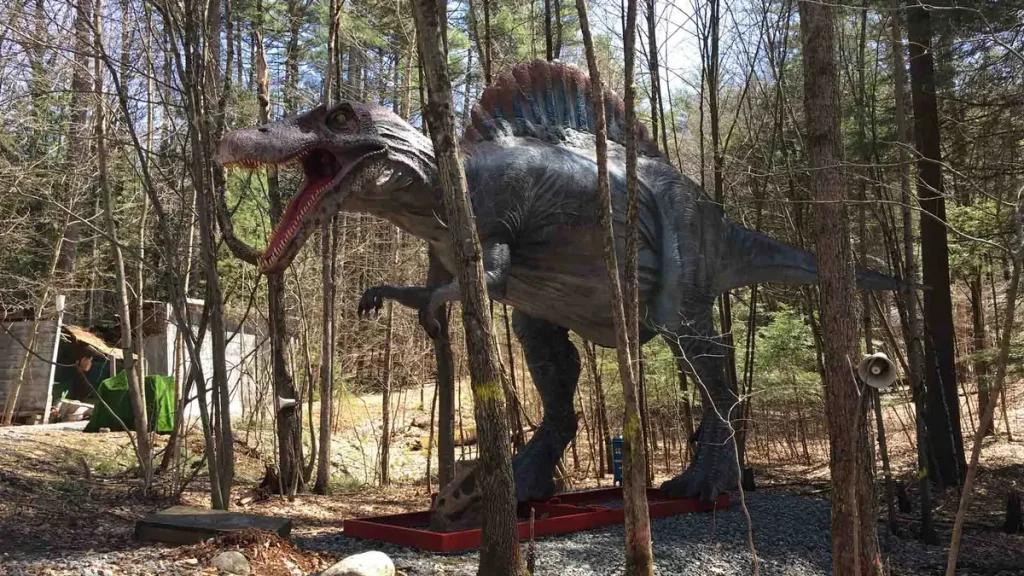
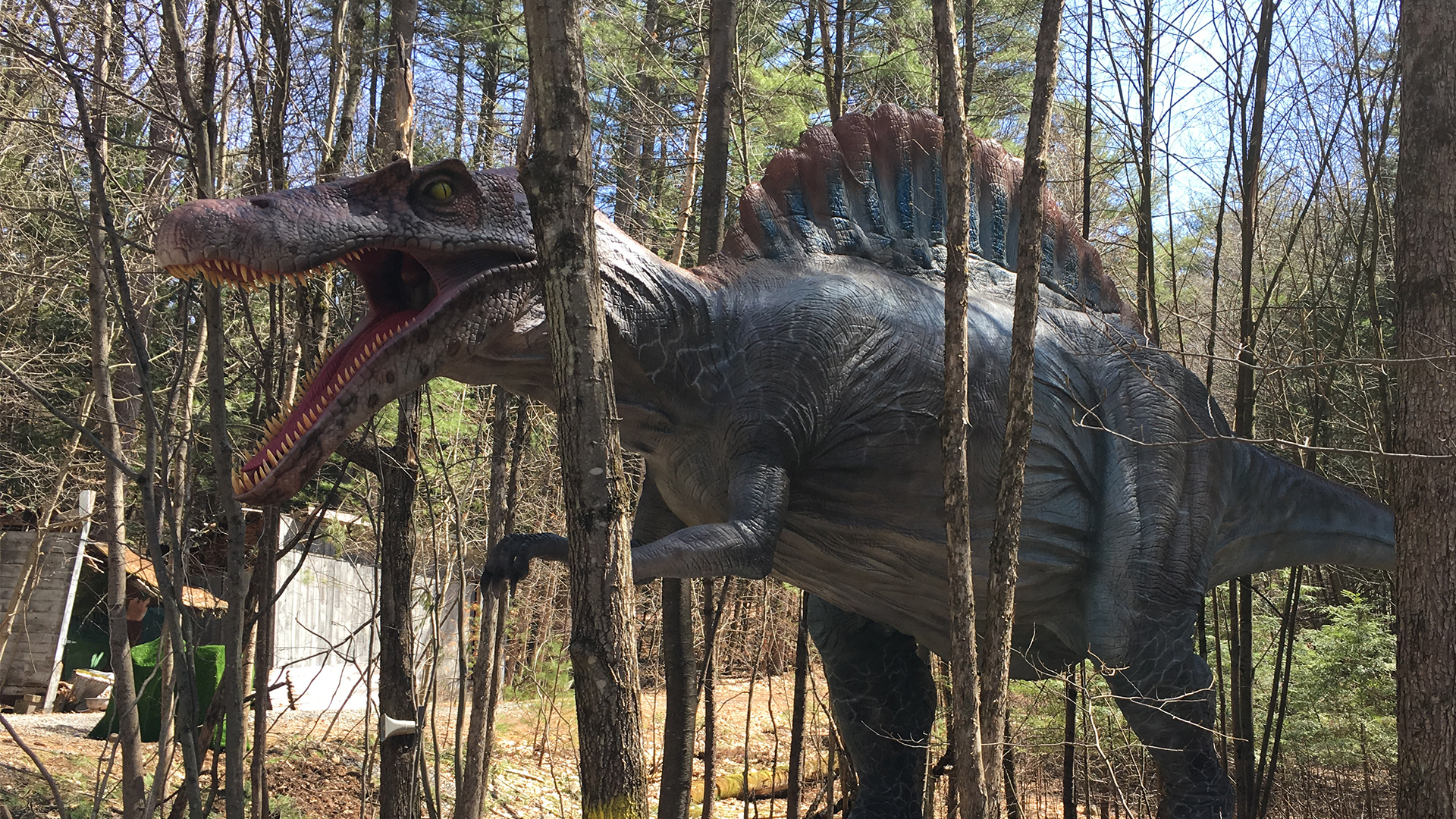
Life-size animatronic Spinosaurus with its signature sail, crocodile-like snout and jaw, neck and tail motion — built to…
View Product
Life-size animatronic Carnotaurus in a roaring pose — articulated jaw, forward-set horns and roar audio on a rock…
View Product
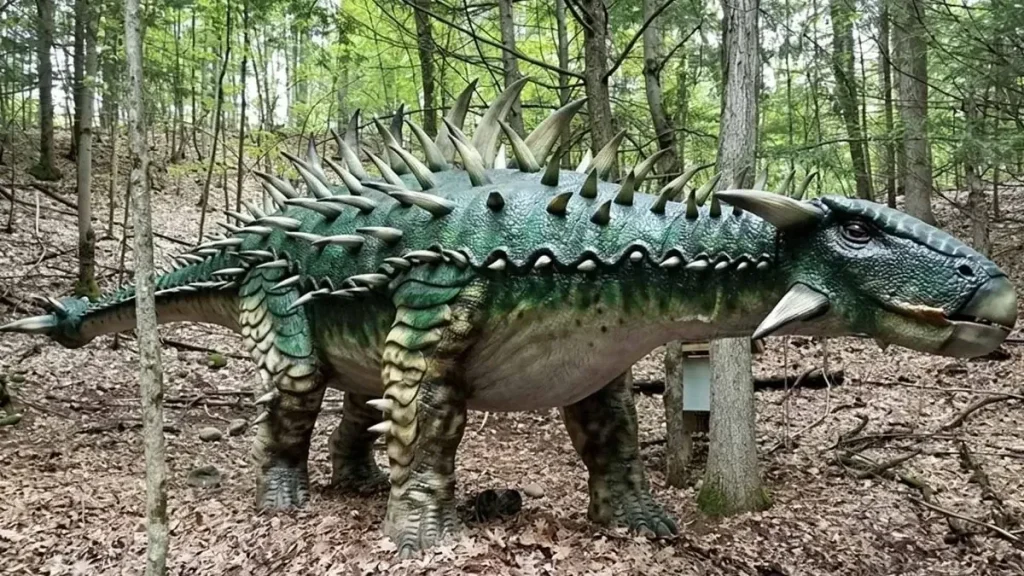
Custom animatronic ankylosaurus with sculpted osteoderms and a 90° tail-club swing — 4–8 m, built to order for…
View Product
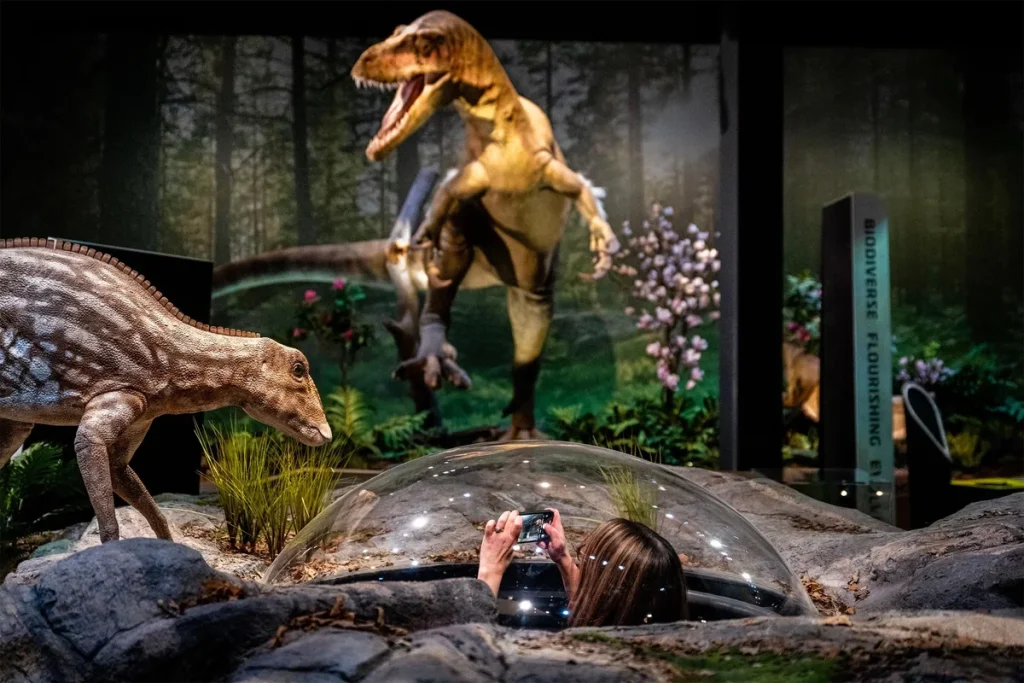
Museum-grade interactive animatronic dinosaur with 3 m proximity sensing, touch response and dual behaviour modes for science centers…
View Product
Gesture-responsive T-Rex that reads hand movement and approach speed — every visitor gets a different reaction. Indoor or…
View Product
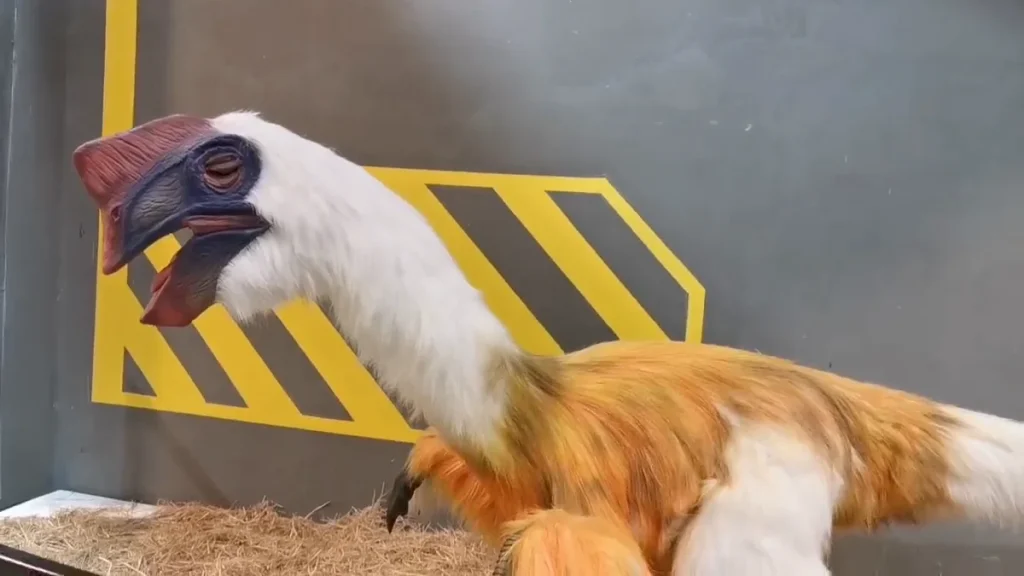
A 1.6–2 m crested, feathered exhibit built for close viewing — fast, bird-like motion on sensor trigger.
View Product
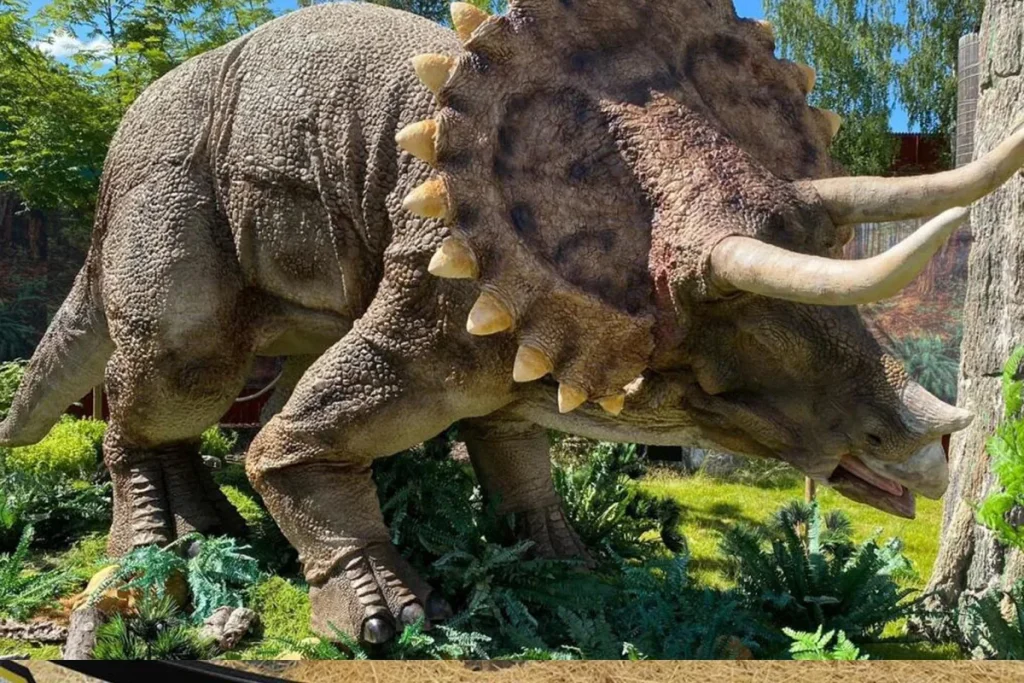
A 7–9 m three-horned exhibit — the family photo piece with steel-cored horns and a wind-rated frill.
View Product
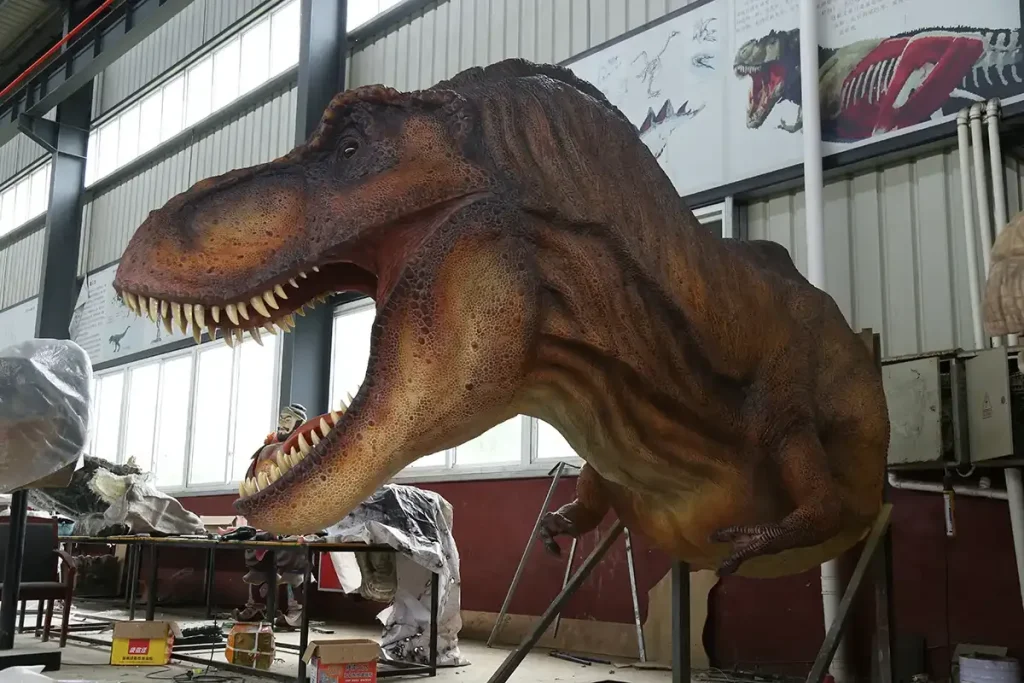
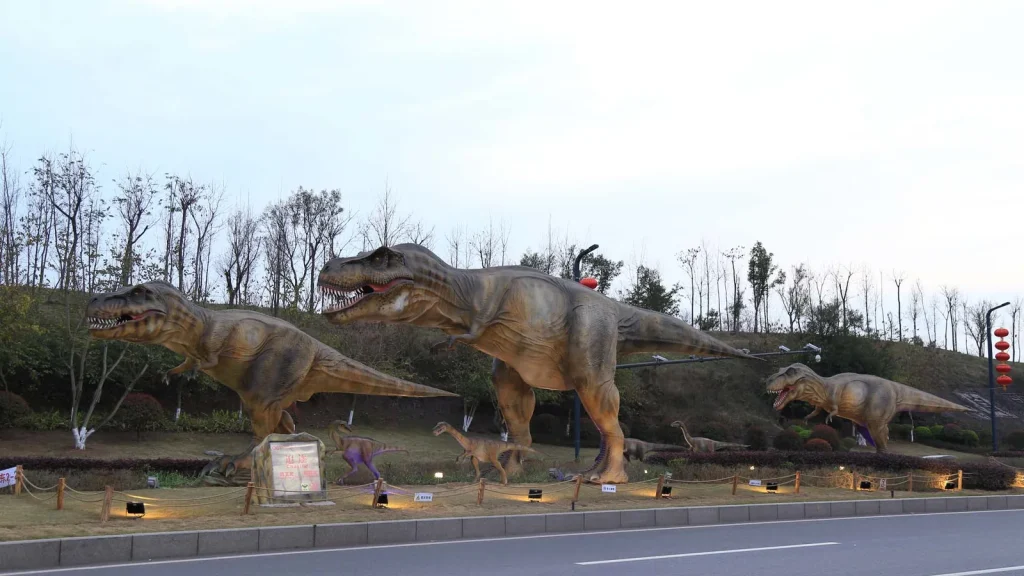
A life-size animatronic T-Rex built to your dimensions — 4–12 m body length, six to twelve motion axes,…
View Product
A 10–22 m long-neck sauropod with the neck carriage engineered for the raised park silhouette.
View ProductThe range runs from a 2 m juvenile that fits through a double door to a 20 m sauropod that arrives in sections on three trailers. Between those two ends sit the animals most parks actually order: T-Rex, Triceratops, Velociraptor, Stegosaurus, Dilophosaurus, Allosaurus, Spinosaurus, Hadrosaurus and the long-necks.
Every build is a steel frame carrying foam and a moulded skin, with the drives selected per movement rather than per budget tier. Movement sets come in three levels — basic (head, jaw, tail), standard (adds neck and body sway), and premium (adds independent limb motion and layered audio). The level is a choice, not a quality grade: a basic set done well reads better than a premium set done badly.
Theme and dinosaur parks use them as the headline attraction, usually at the entrance where the animal has to be read from a hundred metres. Museums use smaller builds indoors, where the visitor walks past at arm's length. Scenic areas and trails use them as waypoints, one animal every fifty to a hundred metres. Shopping malls use juveniles and ride units, because the ceiling height sets the limit.
Outdoor builds carry a different specification from indoor ones — sealed electrical enclosures, UV-stable skin, and a base designed for drainage. That decision is made at order, not on site.
The same questions we answer in email, published openly — sizing, cost drivers, technology and lead times.

Buying an animatronic dinosaur is not like ordering office furniture. There is no “add to cart” button. No fixed price list. If you’re searching […]
Read Article
Animatronic Dinosaur Buying Guide for Museums & Theme Parks Choosing the right animatronic dinosaur for your museum, theme park, or zoo is one of […]
Read Article
Why Motor Choice Matters More Than Buyers Expect Motor selection is usually treated as a manufacturing detail. It is not. It is the decision […]
Read ArticleSend us the floor plan and ceiling or canopy clearance. As a rule of thumb, allow 1.5× the model's length as clear space so the movement reads properly and visitors can step back. We model the footprint in 3D before you commit.
30–45 days for the build itself, once drawings and material samples are approved. Add crating, ocean or air freight and on-site installation — you get a dated schedule before the deposit, not after.
Yes, if it is specified for it. Outdoor builds get corrosion-protected Q235 frames and sealed electrical enclosures, rated from −20°C to +60°C. Indoor-only models are cheaper — we will tell you when you do not need the outdoor spec.
An installation manual, wiring diagrams, a spare-parts list and a maintenance guide — plus a 12-month warranty with maintenance support and remote troubleshooting for control and drive issues.
Send us your venue, species list and rough dimensions. You'll get a realistic feasibility read and a ballpark lead time — no pressure, no template replies.
Or email info@hltdino.com — we reply within one business day.