Home/Scenes/Zoos
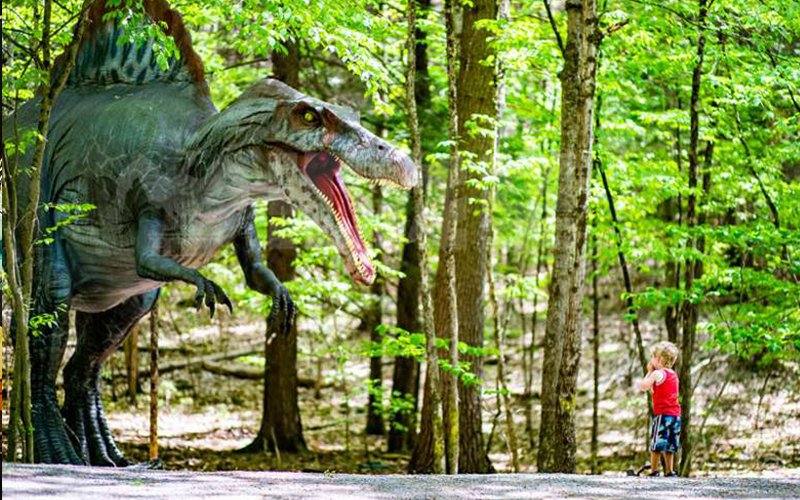
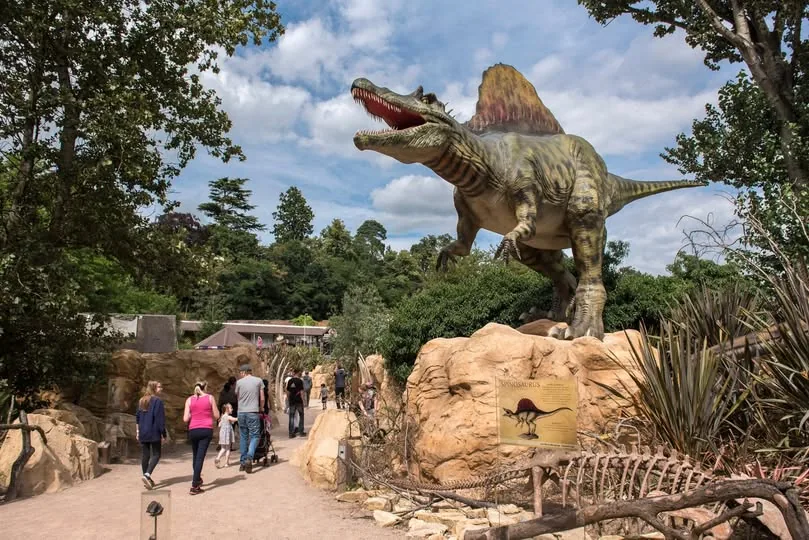
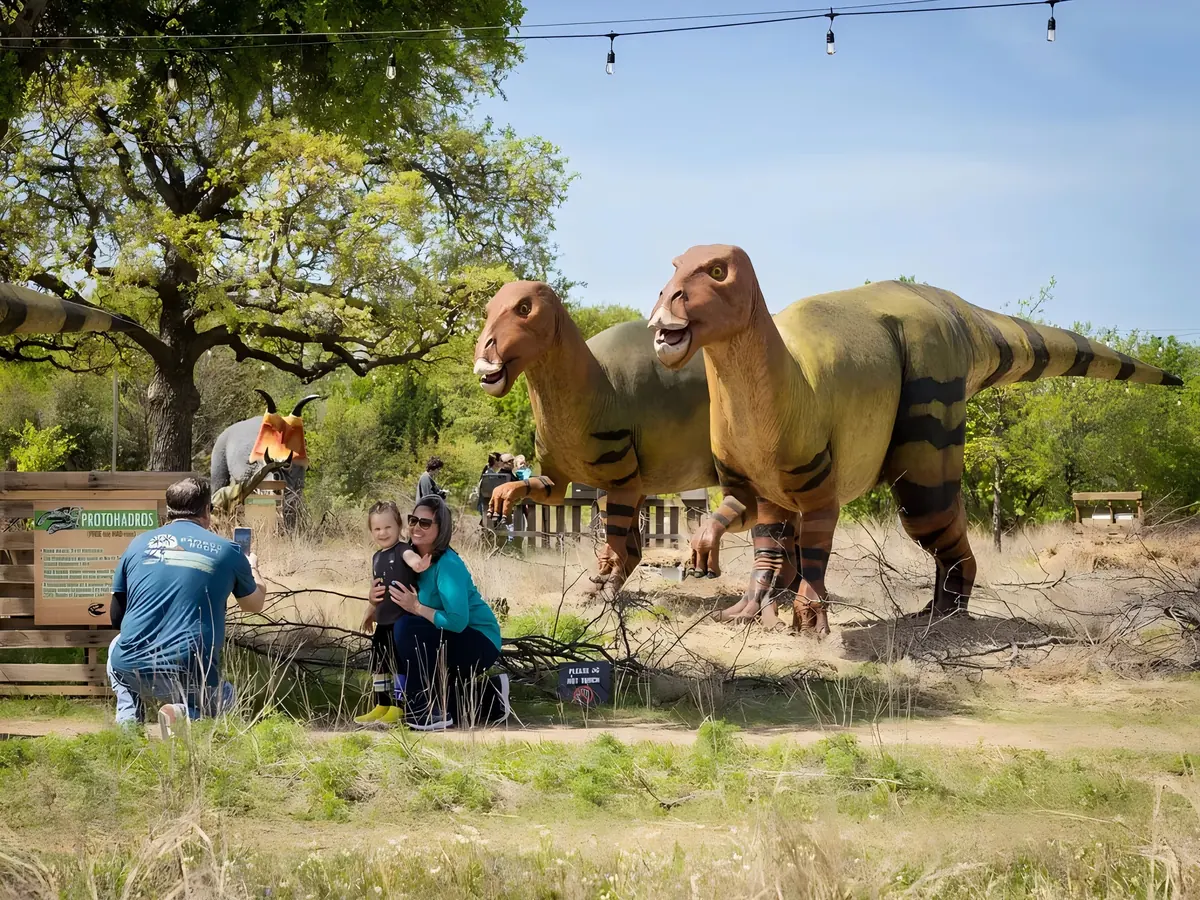
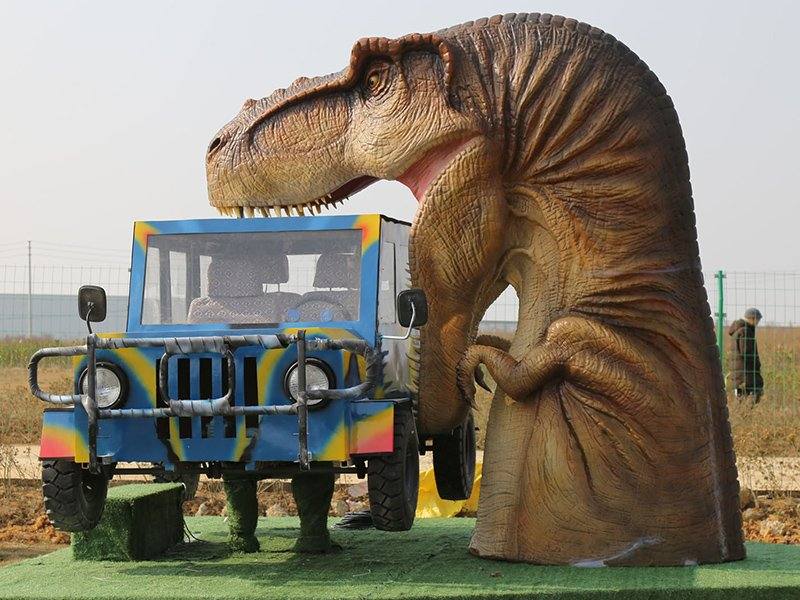
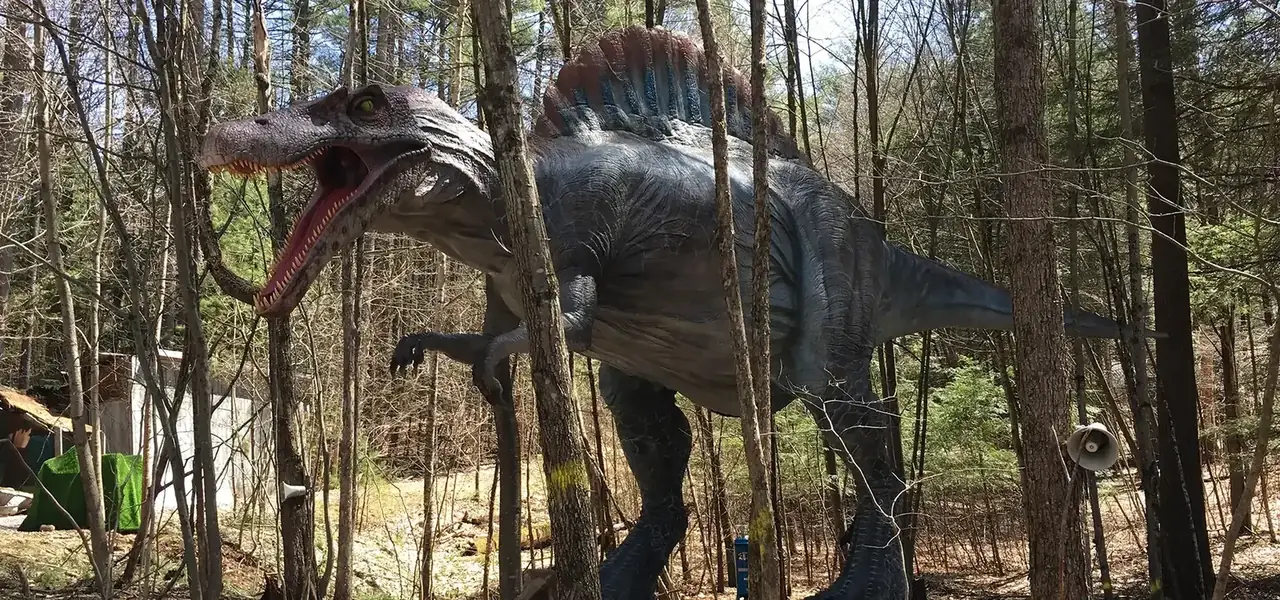
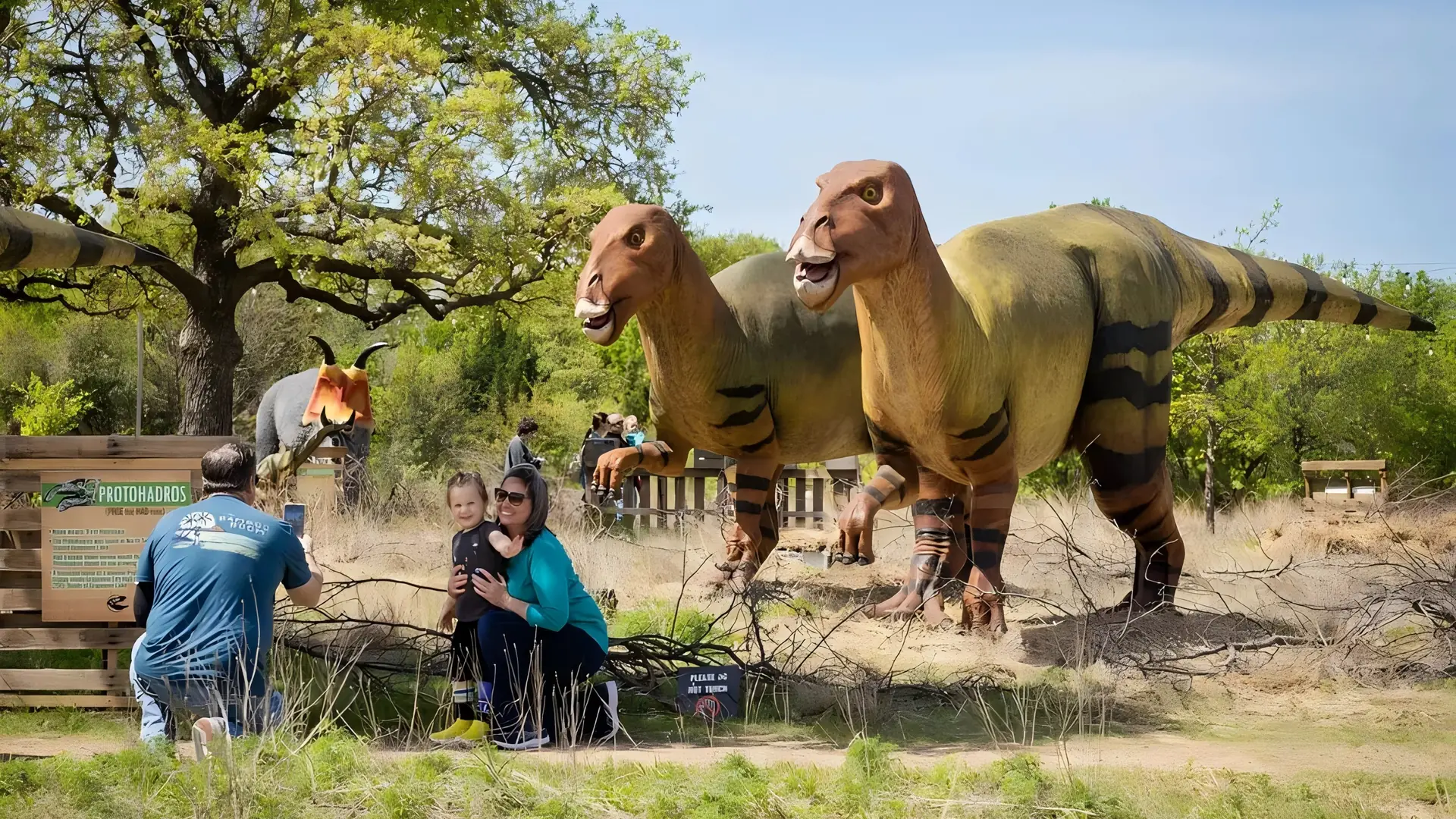
Animatronic dinosaur trail in a prehistoric park setting
Scene · Zoos & Safari Parks

Wildlife That Never Misses a Day

Some species are impossible to keep, and some days the animals simply will not perform. Animatronic animals extend a collection without feed, vet bills or weather cancellations — sculpted to anatomy your keepers can check.

Discuss Your Project See All Products
Life-Size Animals True Anatomy Outdoor Rated 30–45 Day Build
Zoo Outcomes

Extend the Collection Without Building an Enclosure

Where moving models earn their place beside living animals.

01

Extend the Collection

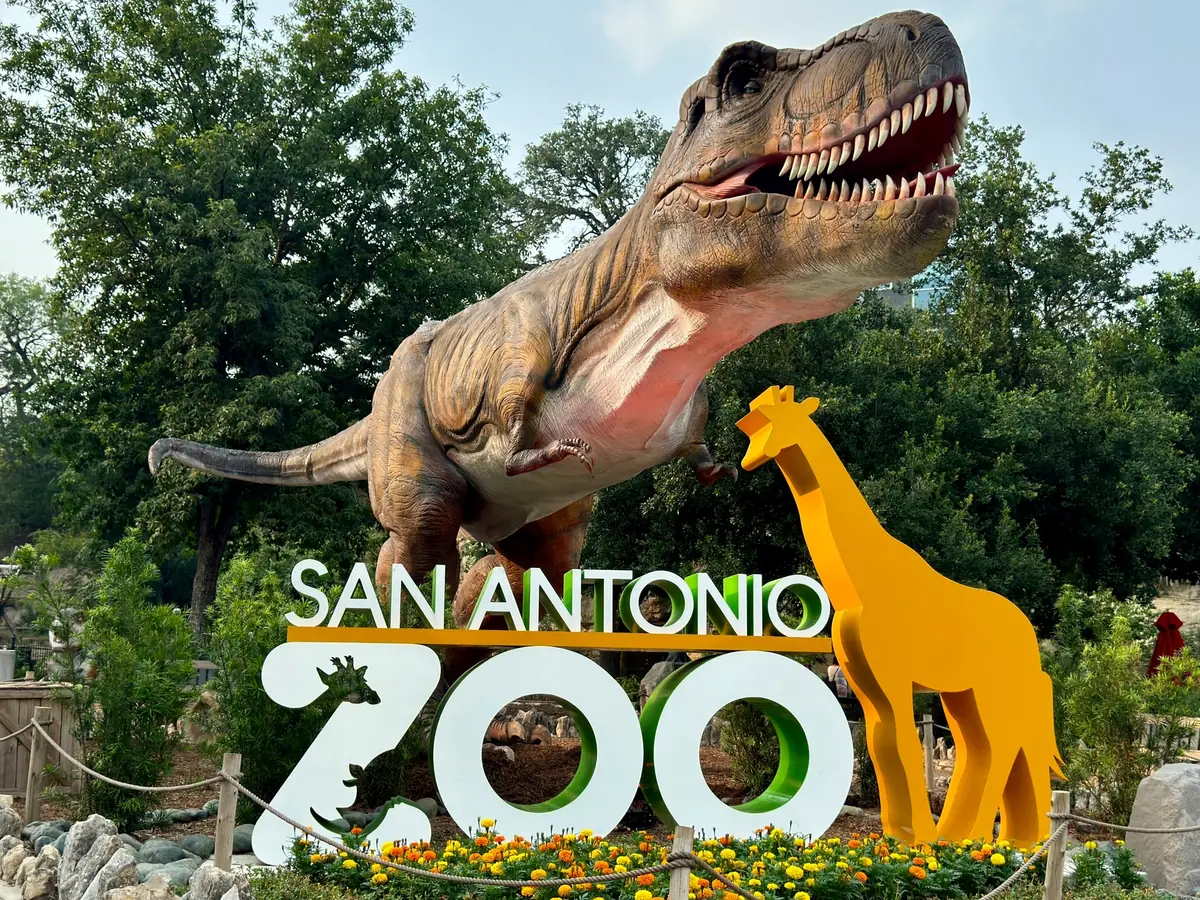
Add species you cannot house — a Pleistocene hall, a prehistoric trail, an extinct-predator talk — without new enclosures or keeper hours.

02

Interpret the Impossible

A moving Smilodon or woolly mammoth makes an extinction story physical. Visitors understand scale and behaviour faster than any label.

03

Reliable Every Day

No off-show days, no weather cancellations, no breeding cycles. The exhibit performs on schedule for school groups and peak weekends.

Recommended Mix

Keep the Distance Living Animals Need

Most zoos start with a walk-through trail, then add a seasonal hall.

Models in This Setup

Building a Habitat Set, Not a Statue Park

Herd-scale grazing builds, one flagship predator, an ice-age corner, and the big-bodied species that hold a trail together.

Herd

Animatronic Gazelle Herd

The only sensible way to build a grazing group is as a herd rather than as copies. Sizing runs across a wide custom envelope so the group matches the enclosure.

Full custom sizing · 150–8000 W · 110 / 220 V
Flagship Predator

Animatronic Snow Leopard

The tail carries this species. Three articulated sections sweeping more than a metre behind the body, which is what separates a leopard from a generic cat build.

Body 1.0–1.3 m · Tail 0.85–1.05 m · Sensor, timed or remote
Big Body

Life-Size Animatronic Hippopotamus

Four metres standard and buildable from 2.5 to 6 m. Slow jaw and ear flick read better than a fast cycle on an animal this heavy.

4 m standard · 2.5–6 m buildable · About 1.5 m at shoulder
Big Body

Life-Size Animatronic White Rhino

Built for outdoor paddocks — weatherproof control box and internal wiring as standard, so nothing is left exposed to a hose-down or a storm.

Body 1.2–3.5 m · 110–220 V · Weatherproof control box
Predator Run

Animatronic Tiger Model

Sized to the same custom envelope as the rest of the cat builds, with the power draw matched to how many movements you actually commission.

Full custom sizing · 150–8000 W · 110 / 220 V
Predator Run

Animatronic Cheetah Model

The companion piece to the tiger on a predator run — same build envelope, lower body mass, staged at a shorter viewing distance.

Full custom sizing · 150–8000 W · 110 / 220 V
Ice Age Corner

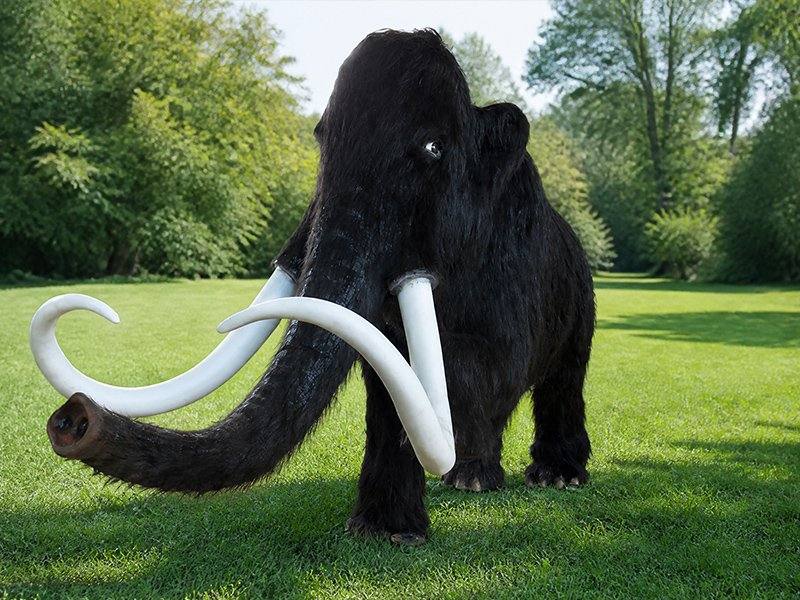
Life-Size Animatronic Woolly Mammoth

The trunk is the piece. Seven axes curl and sway it independently of the head, which is what separates a mammoth from an elephant build. Fur sits on replaceable panels, so a worn flank is re-skinned without stripping the animal.

Trunk 7-axis · 1500 W avg / 2500 W peak · Rated −30 to +45 °C
Predator Run

Animatronic Hyena

What a predator run needs after the cats — smaller, cheaper to run, and it fills the middle of the trail. Four to six servos carry head turn, jaw, tail sway and breathing, with a whoop call on approach.

Up to 1.6 m long · 4–6 servos · About 300 W · 2–3 techs, one day
Herd

Animatronic Zebra and Foal

Bought as a pair rather than as two copies. The foal carries longer legs and a shorter neck by proportion, and the two run offset cycles so neither animal mirrors the other — that is what makes visitors stop.

Mare 2.5 m · Foal 1.5 m · Servo drives · Hand-masked stripe groups
On Site

How These Builds Sit in a Working Park

Zoo placements are governed by animal stress distances and weather exposure, not by visitor numbers alone.

Planning Notes

Weather and Stress Distance Set the Placement

Trail layout decides the species order. Predators work at the end of a loop where crowds gather; herd animals work as fillers that keep visitors moving. Send the trail plan and we will map species to stops.

Weather and substrate matter more outdoors. Outdoor builds are rated −20°C to +60°C with sealed electrical enclosures, and plinths are specified for the ground you actually have — grass, gravel or hard standing.

Because the exhibit sits inside a working collection, we plan service access so maintenance never crosses an animal enclosure, and we supply a maintenance schedule your team can run between keeper rounds.

Zoo FAQ

What Zoo Teams Ask

Will visitors think it is a real animal?

At a distance, yes — that is the point of true-anatomy sculpting. Up close we keep the plinth and drive housing visible so it reads as an interpretive exhibit, not a deception.

Can it sit next to a real enclosure?

Yes, with the right placement. We route service access so maintenance never crosses an animal enclosure, and specify sealed electrical enclosures for outdoor positions.

How does it handle winter?

Outdoor builds are rated to −20°C; for harder winters we supply a storage and startup routine. Seasonal pieces like the mammoth are often rotated into winter programming deliberately.

Who maintains it?

Your team can. We supply a maintenance schedule, spare-parts list and touch-up kit, plus remote troubleshooting for control and drive issues.
Other Scenes

Built for Every Kind of Venue

Delivered Projects

A Trail That Survives Year-Round Weather

Animatronic dinosaur trail installation at Lake George, New York

Installation day: a long-neck section lifted into position by telehandler.

Lake George, New York · Interpretive Trail

A Trail Built Species by Species, Not All at Once

A mixed-species interpretive trail where every figure is placed for walking pace, and installation ran along the path by telehandler.

One reveal at a time

Figures were spaced so the trail delivers a new animal at each bend, instead of showing the whole collection from the entrance.

Machine access planned first

Every plinth position was checked against the telehandler route before the pieces shipped, which keeps installation to days rather than weeks.

View the Full Project Discuss Your Project
Get a Quote

Planning a Prehistoric Zone?

Send the trail plan, the species shortlist and your ground conditions. We will map species to stops and return a dated production schedule.

Or email info@hltdino.com — we reply within one business day.