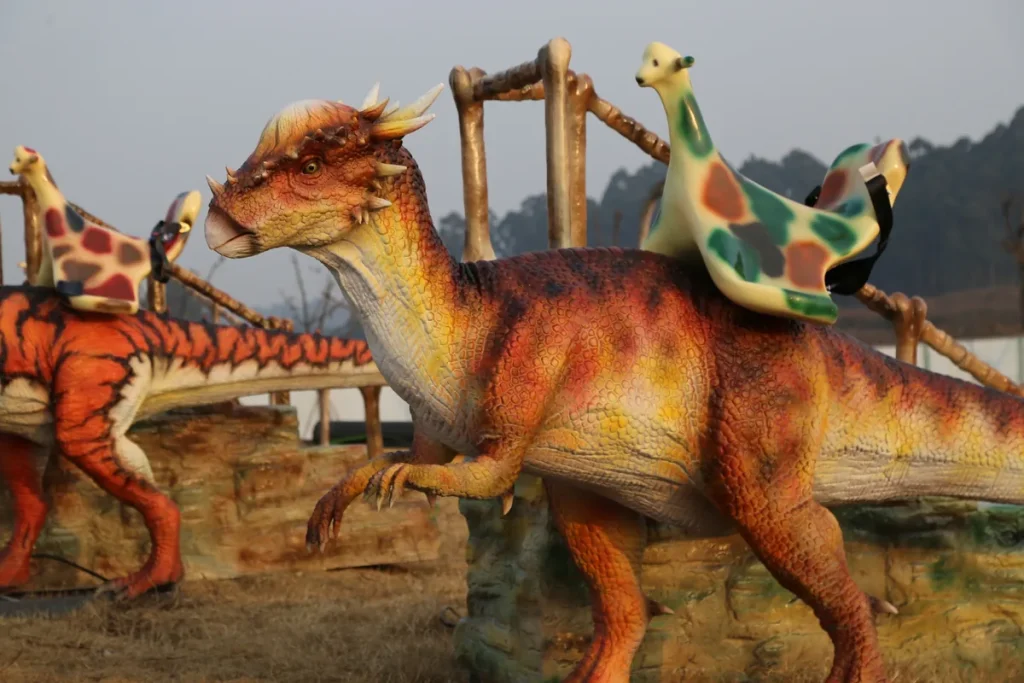
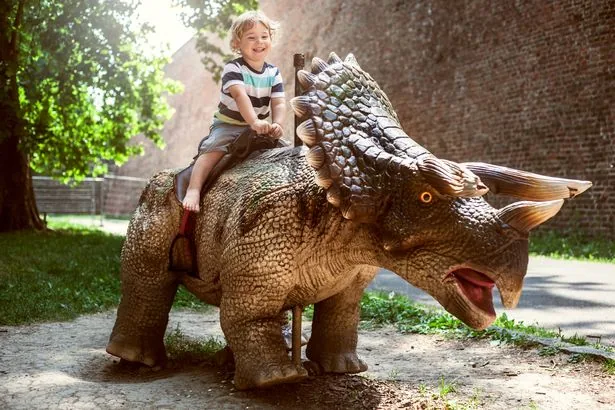
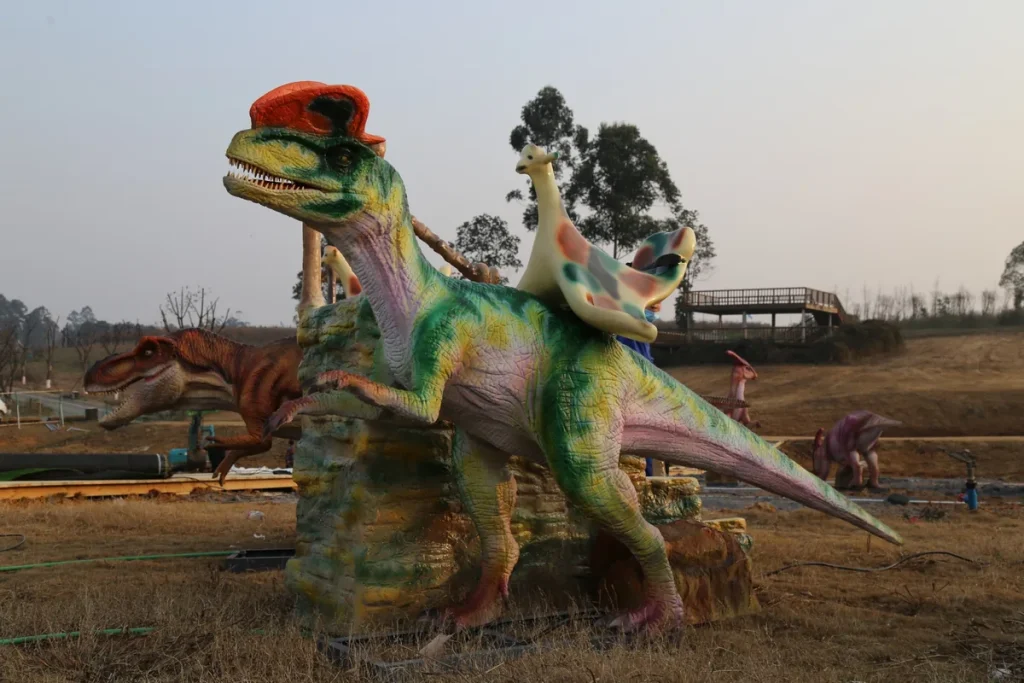
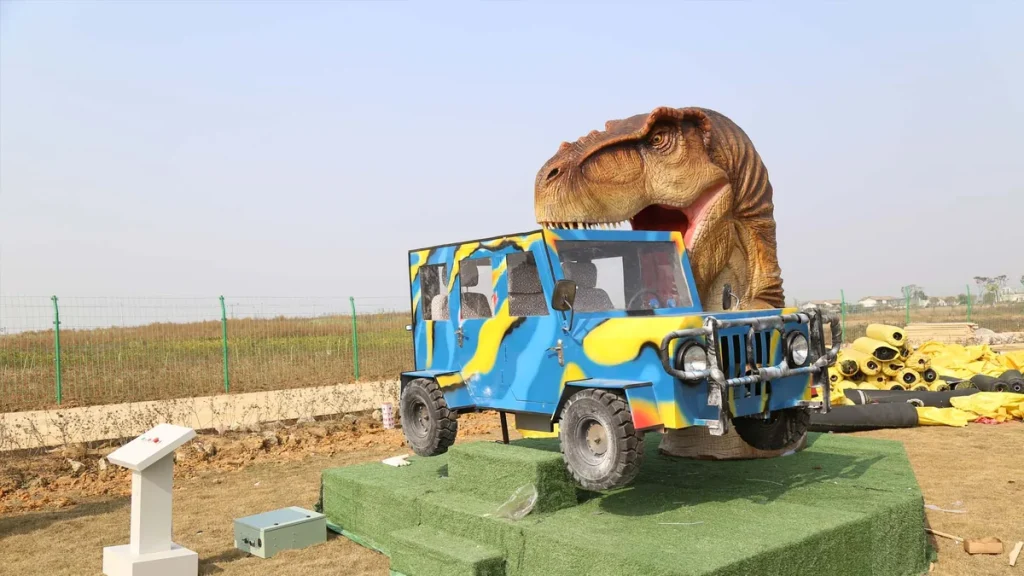
A ride is the only product in the catalogue that has to earn money, and that changes every decision. Ride height, cycle length, rider age band and control mode are commercial choices before they are engineering ones.
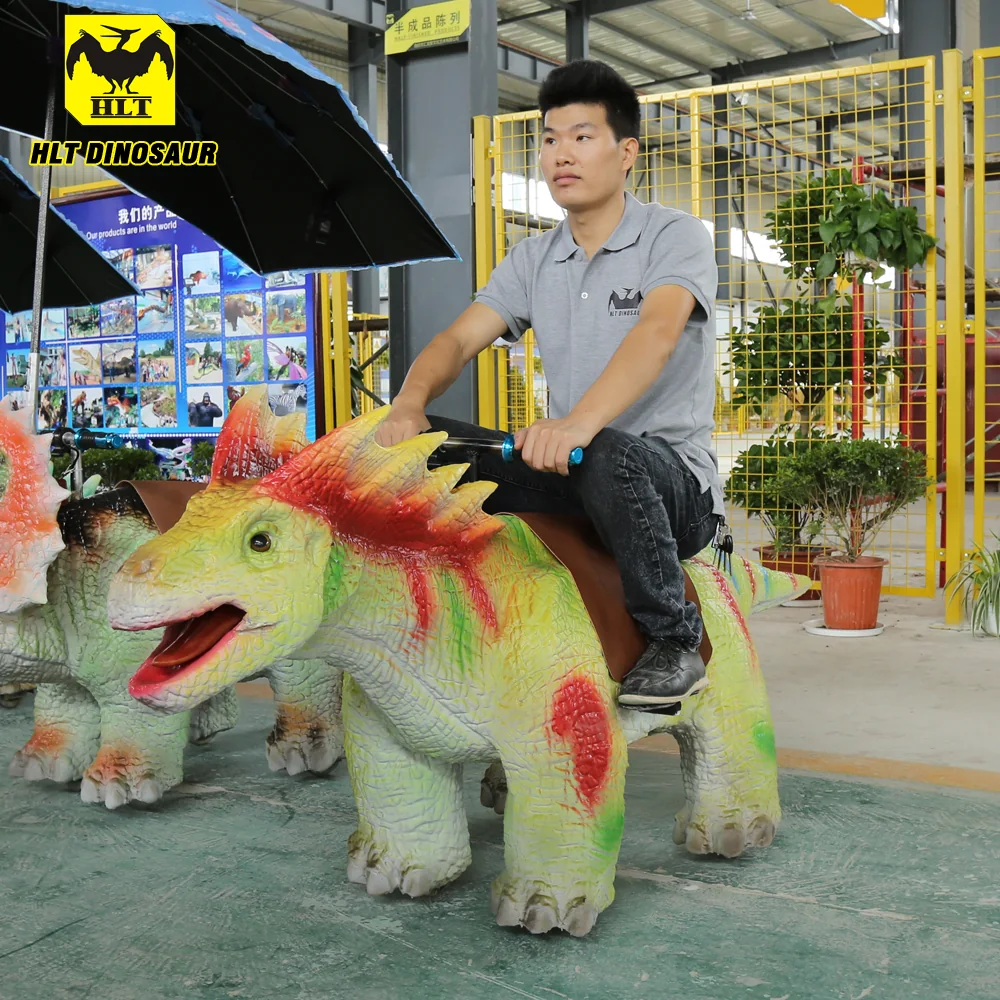
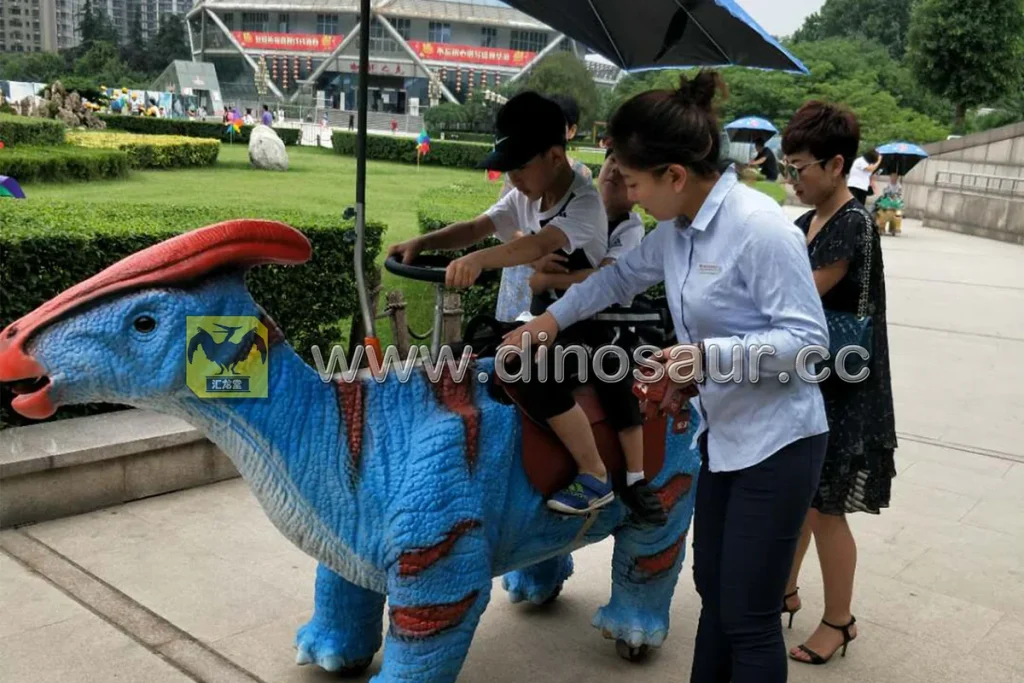
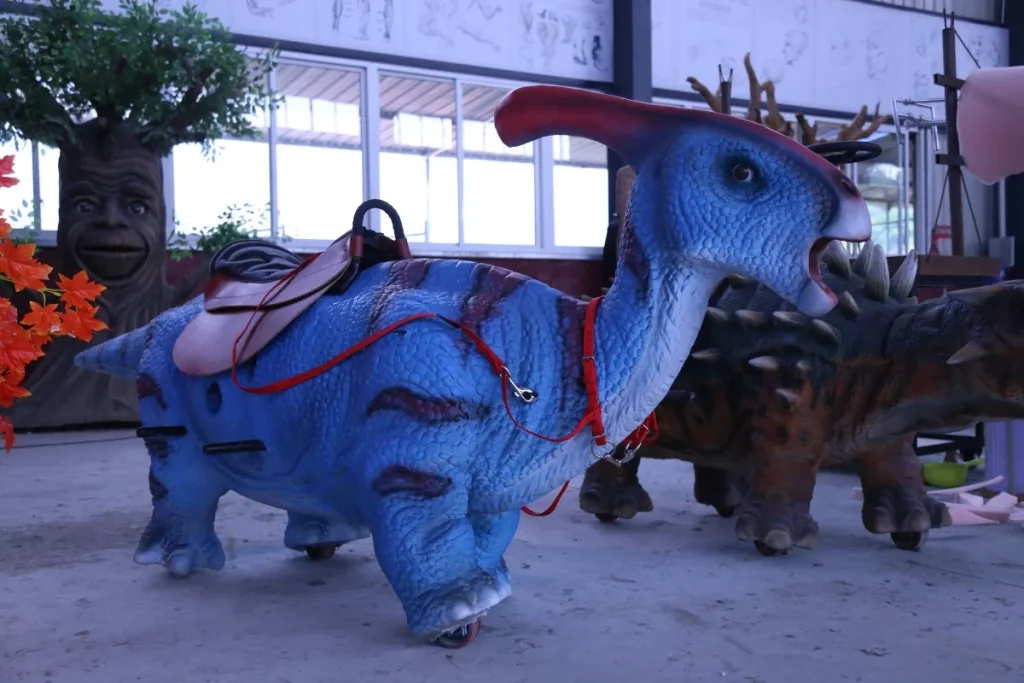
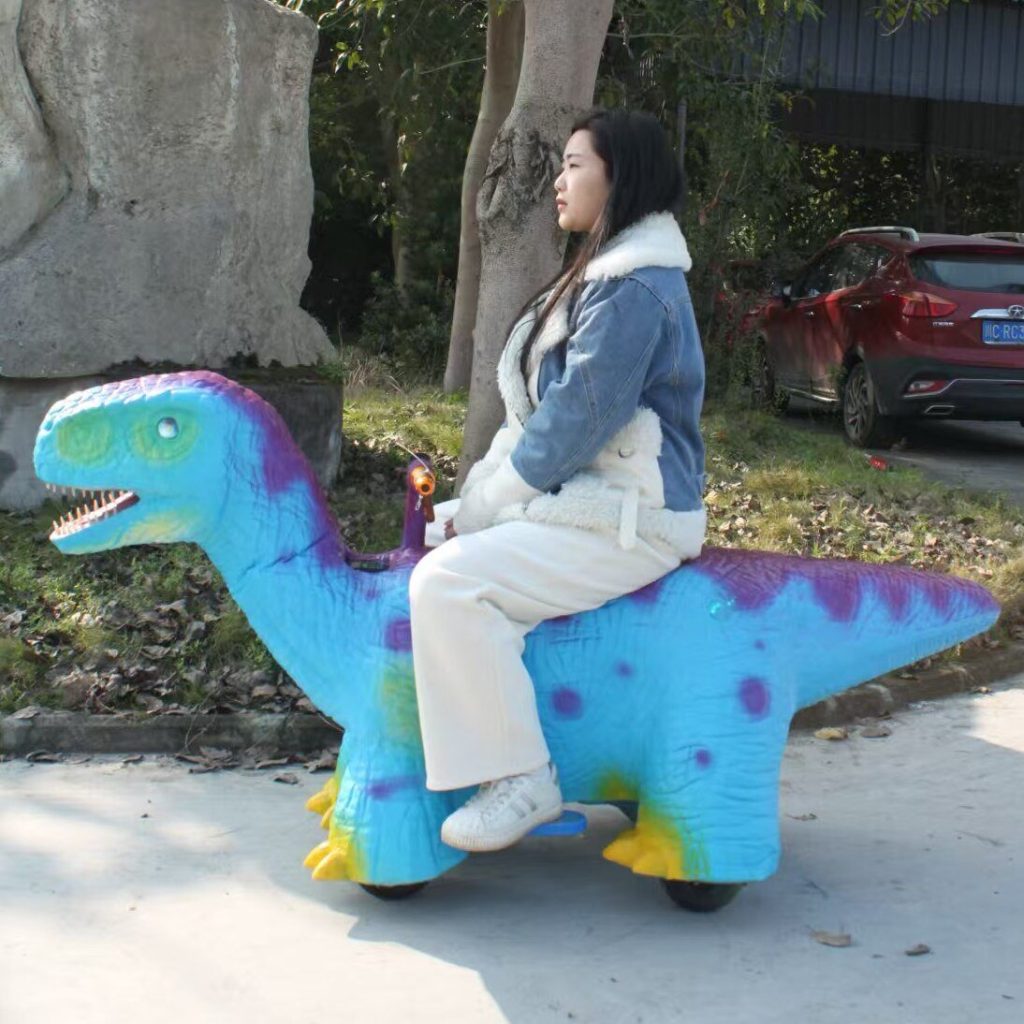
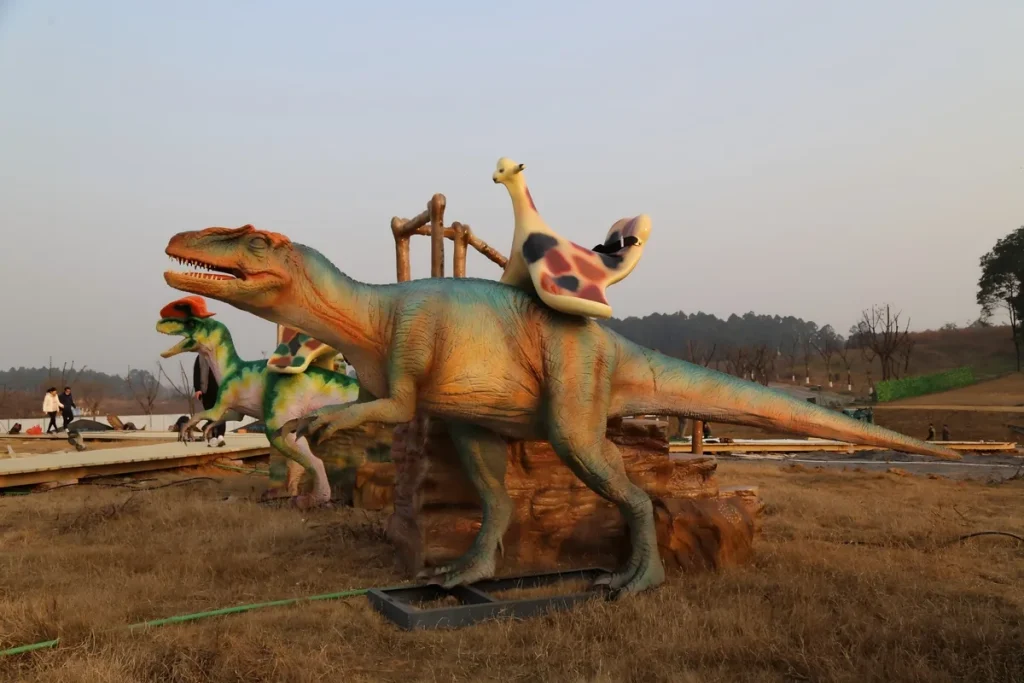
Two mechanisms cover the range. Omni-wheel units travel and rotate on the spot, which suits a mall concourse where the turning circle is the machine itself. Rocking units stay on their base, which suits a shop unit or a lobby where there is no clear path to maintain. Rider load runs from 60 kg on the small builds to 100 kg on the largest, and that number decides who can ride.
Coin-Op, Remote or Pedal
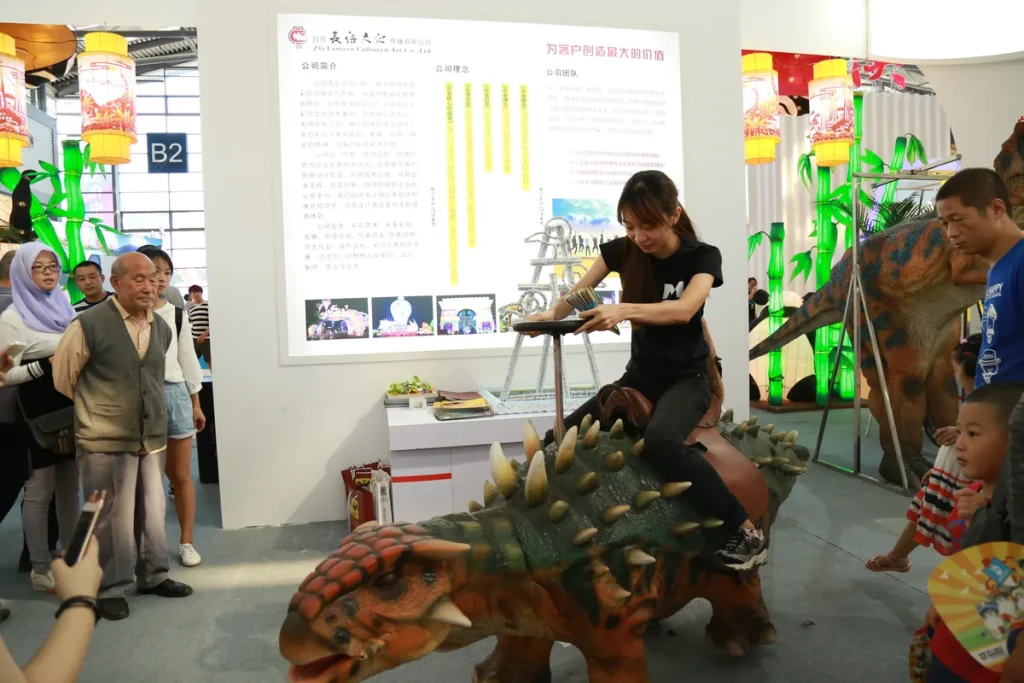
Coin-op runs unattended and pays per use — the default for mall operators. Remote puts an attendant in control, which suits event hire and party bookings. Foot pedal lets the rider drive, which is the most engaging mode and needs a lower speed setting. Many operators order two modes and use one as an override.
Battery or mains is the other decision. Fixed sites want mains; touring operators want a battery and a spare pack. Cycle length is usually set short once the operator watches a queue.
Send us the floor plan and ceiling or canopy clearance. As a rule of thumb, allow 1.5× the model's length as clear space so the movement reads properly and visitors can step back. We model the footprint in 3D before you commit.
How long does a custom dinosaur take to build?
30–45 days for the build itself, once drawings and material samples are approved. Add crating, ocean or air freight and on-site installation — you get a dated schedule before the deposit, not after.
Can a dinosaur stay outdoors all year?
Yes, if it is specified for it. Outdoor builds get corrosion-protected Q235 frames and sealed electrical enclosures, rated from −20°C to +60°C. Indoor-only models are cheaper — we will tell you when you do not need the outdoor spec.
What arrives with the exhibit?
An installation manual, wiring diagrams, a spare-parts list and a maintenance guide — plus a 12-month warranty with maintenance support and remote troubleshooting for control and drive issues.
Get a Quote
Tell Us What You're Building
Send us your venue, species list and rough dimensions. You'll get a realistic feasibility read and a ballpark lead time — no pressure, no template replies.