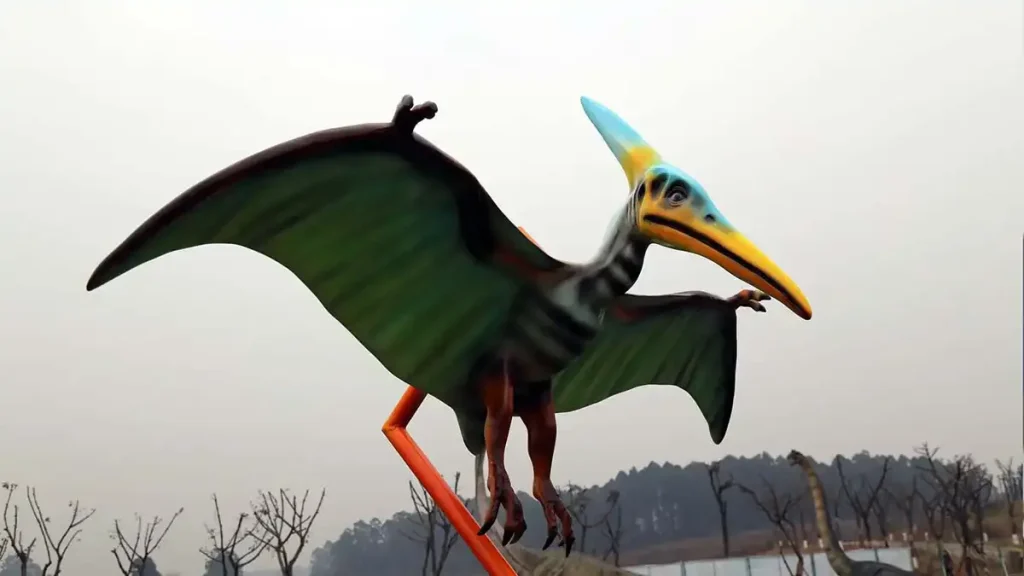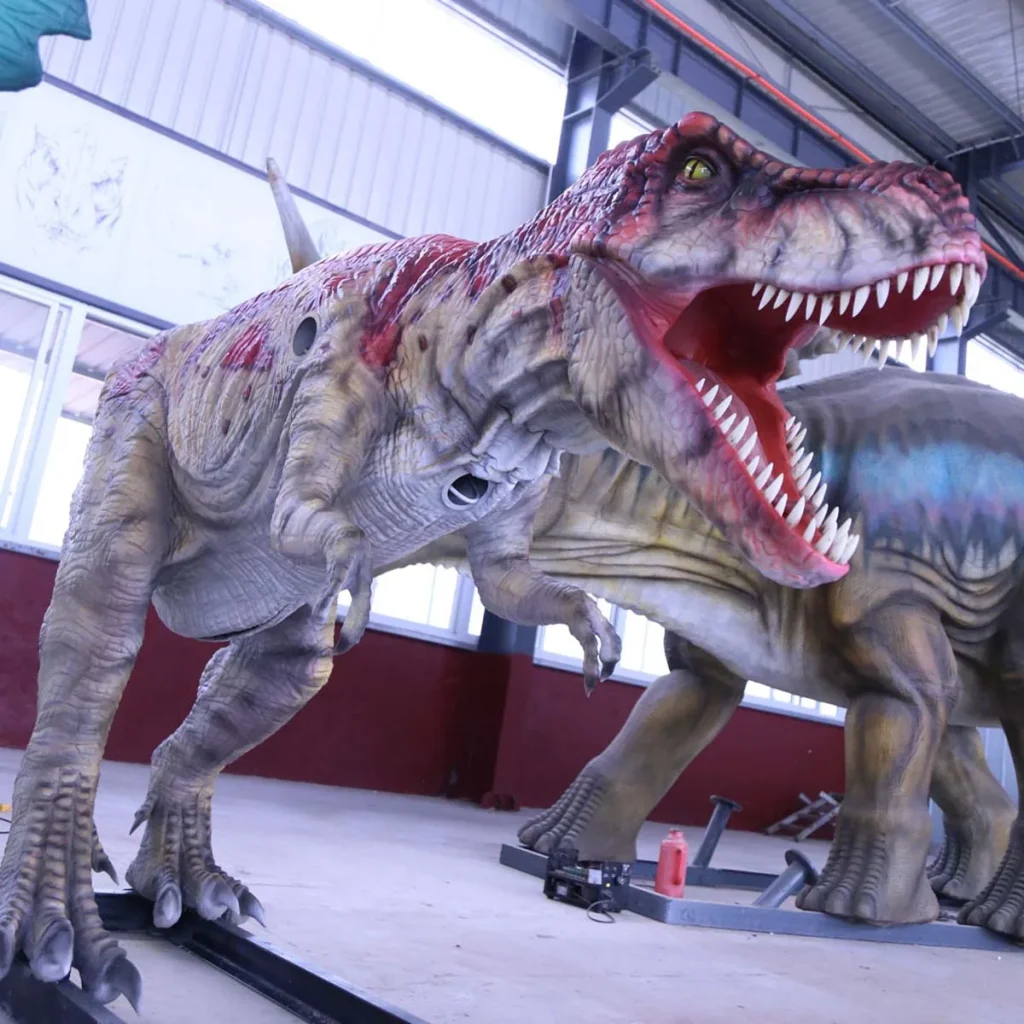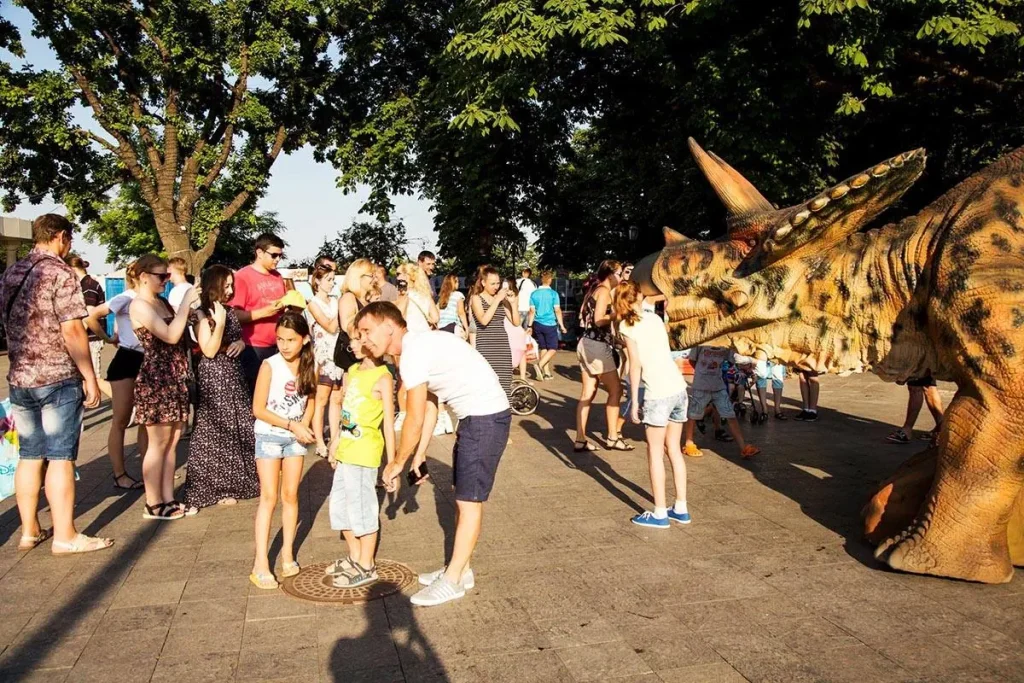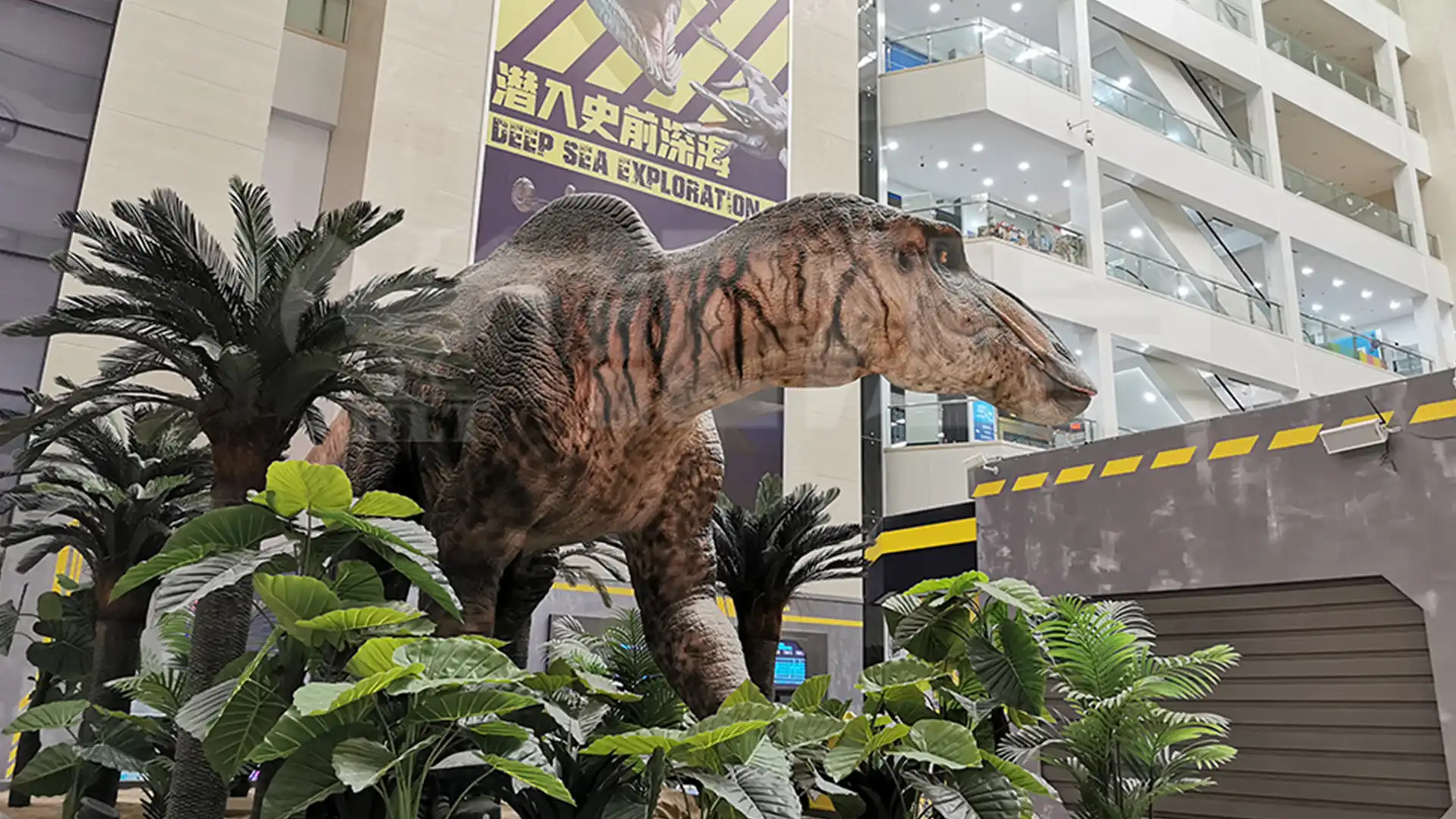
Everything we tell prospects before they buy — specs, cost drivers, installation realities and maintenance rhythms — written down and published openly.
The four parts that fail first, the weekly to annual service schedule, the spare kit that prevents closures, and what really sets service life.
Read the Guide →

Planning ranges for power by figure size, what changes when actions are pneumatic, compressor and generator…
Read Article
Which details actually fail on an outdoor animatronic dinosaur, the IP ratings to specify by zone,…
Read Article
Most of the enquiries that reach a dinosaur factory are, unsurprisingly, about dinosaurs. But a steady…
Read Article
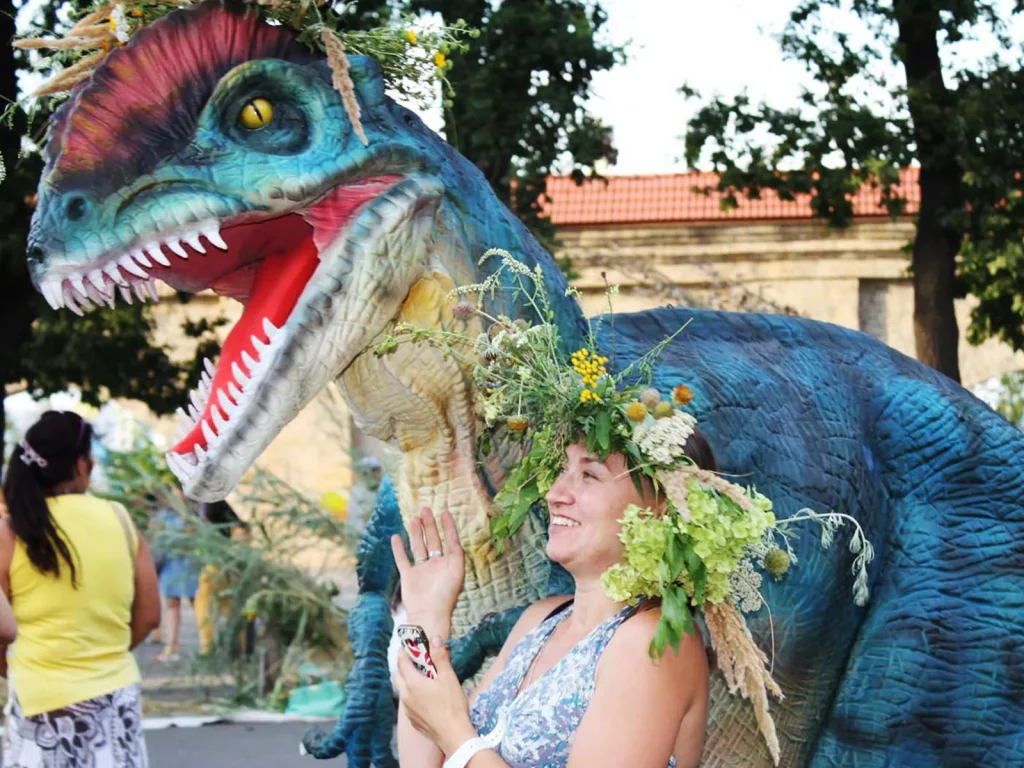
A walking dinosaur costume is a wearable machine with a person inside it. The two numbers…
Read Article
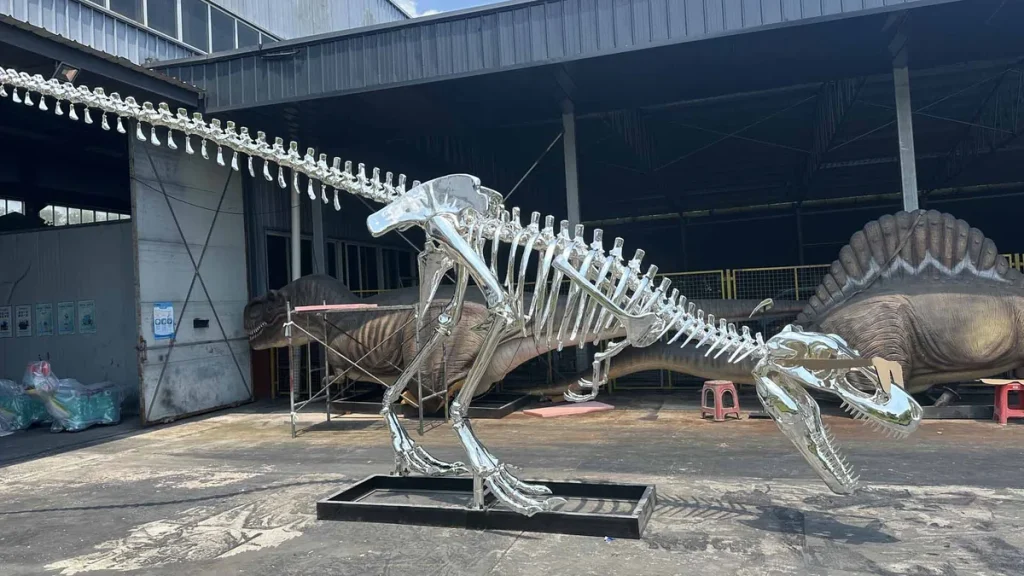
A skeleton is the honest version of a dinosaur: no skin to hide behind, only proportion.…
Read Article
Buying an animatronic dinosaur is not like ordering office furniture. There is no “add to cart”…
Read Article
Animatronic Dinosaur Buying Guide for Museums & Theme Parks Choosing the right animatronic dinosaur for your…
Read Article
Why Motor Choice Matters More Than Buyers Expect Motor selection is usually treated as a manufacturing…
Read Article
How Much Does an Animatronic Dinosaur Cost? Understanding the Key Cost Factors If you are planning…
Read ArticleIf you are planning a museum exhibition, theme park attraction, or shopping mall event, you have…
Read Article
What Animatronic Products Are Actually Used For Buyers come to animatronic products with one of two…
Read Article
Walk past a life-size animatronic dinosaur in a museum, and it turns its head toward you.…
Read Article
Choosing the right animatronic dinosaurs for your venue is not just about picking the most famous…
Read Article
Infrared, ultrasonic and gesture recognition — how a dinosaur reads a raised hand or a fast…
Read Article
Extinct and hard-to-keep species, sculpted to anatomy keepers can check — where animatronic animals earn a…
Read Article
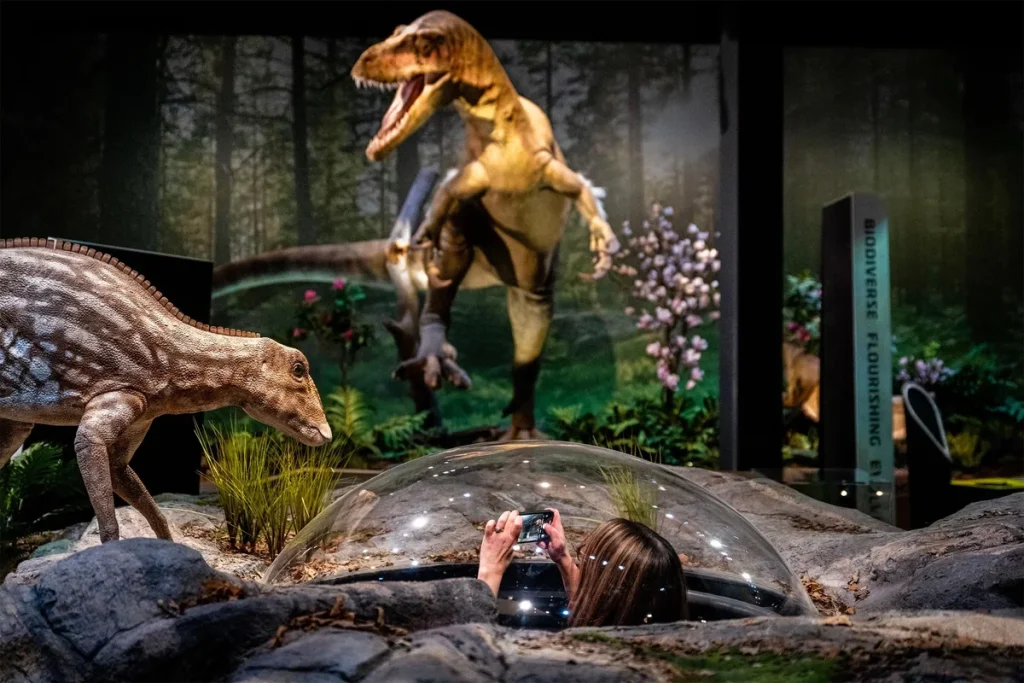
Proximity sensing, touch response and timed shows — what visitors actually do around an interactive exhibit,…
Read Article
From fossil reference to finished skin — how proportions, texture, colour and weathering are decided, and…
Read Article
Frame, drives, skin, sensors, sound and weatherproofing — the six systems behind every animatronic dinosaur, and…
Read Article
The procurement process end to end — what you are actually buying, species choice, what moves…
Read ArticleThe same builds the guides keep referencing. Each opens its own specification page.
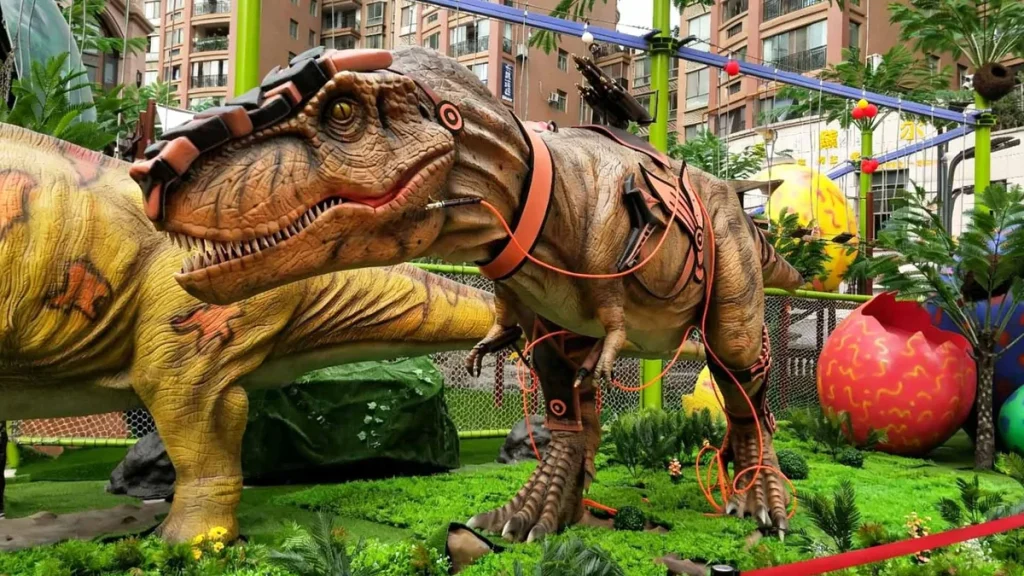
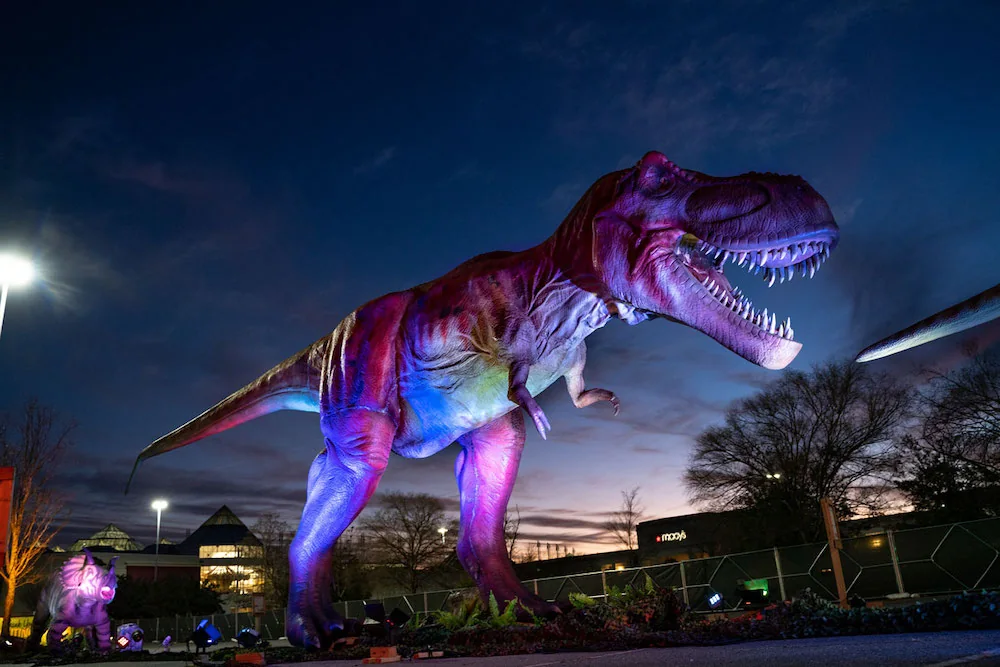
The centrepiece most sites are planned around. A full rig of jaw, neck, forelimb and tail motion, scaled to the sightline of a museum hall or park entrance.
Herbivore AnchorThe three-horned species buyers pair with a T-Rex to make a scene. Reads clearly at distance, which is why it anchors a dino face-off.
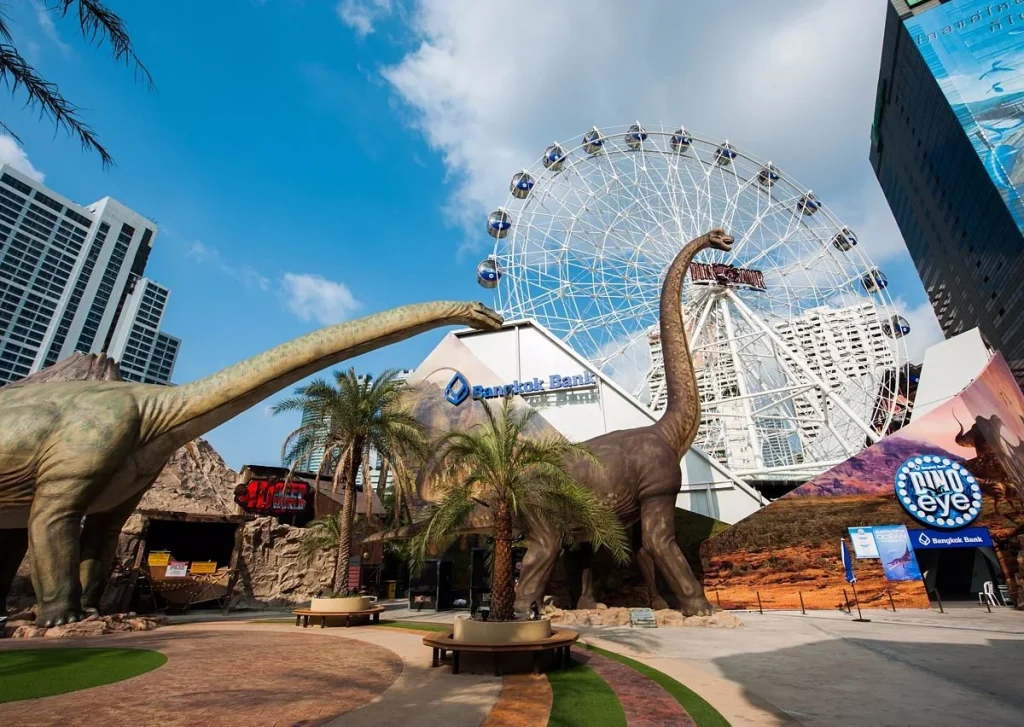
Height FillerThe long-neck that gives a hall its vertical dimension. A slow, deliberate neck sweep is the movement set most buyers specify.
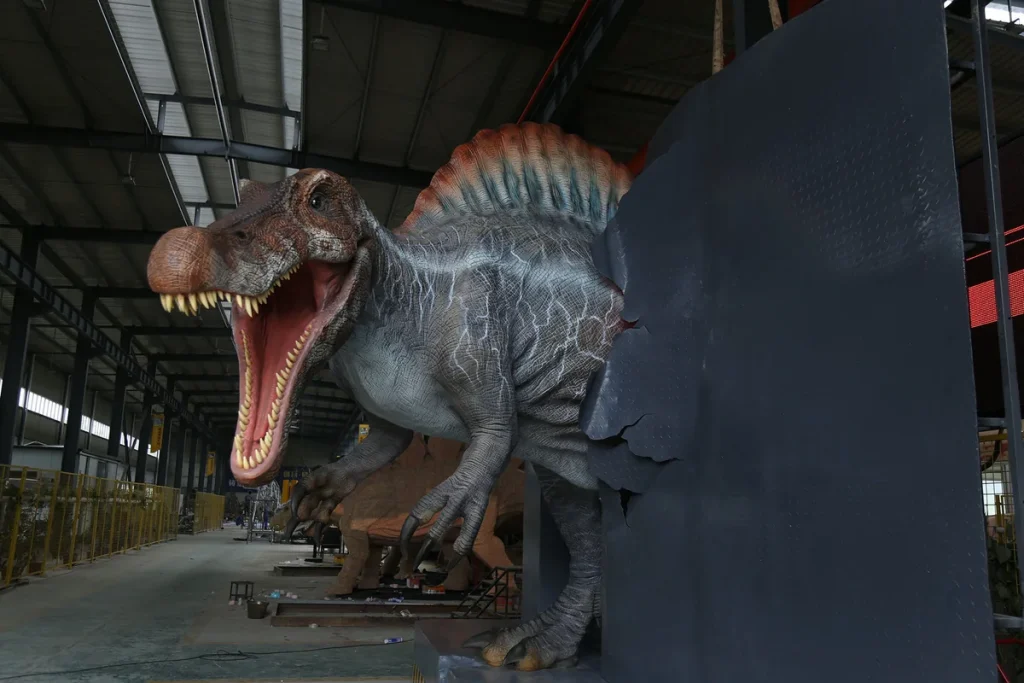
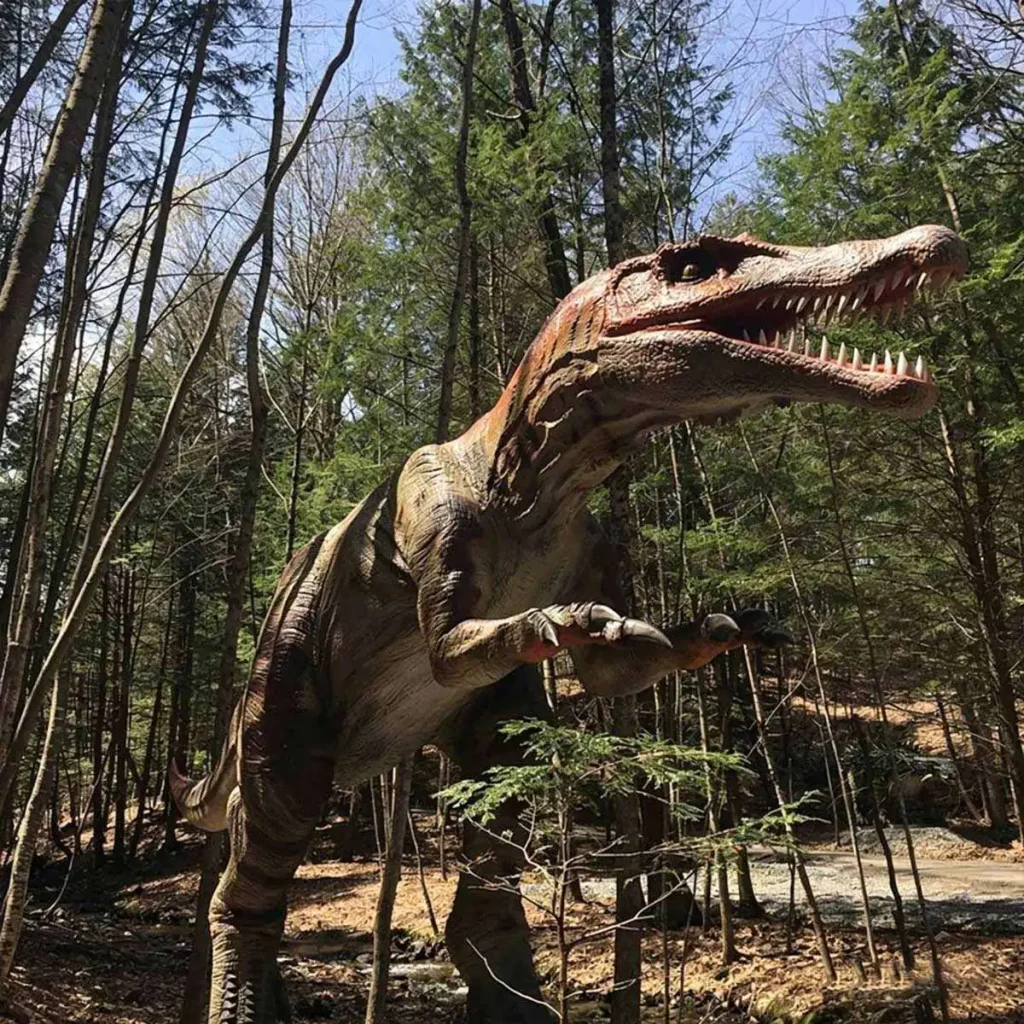
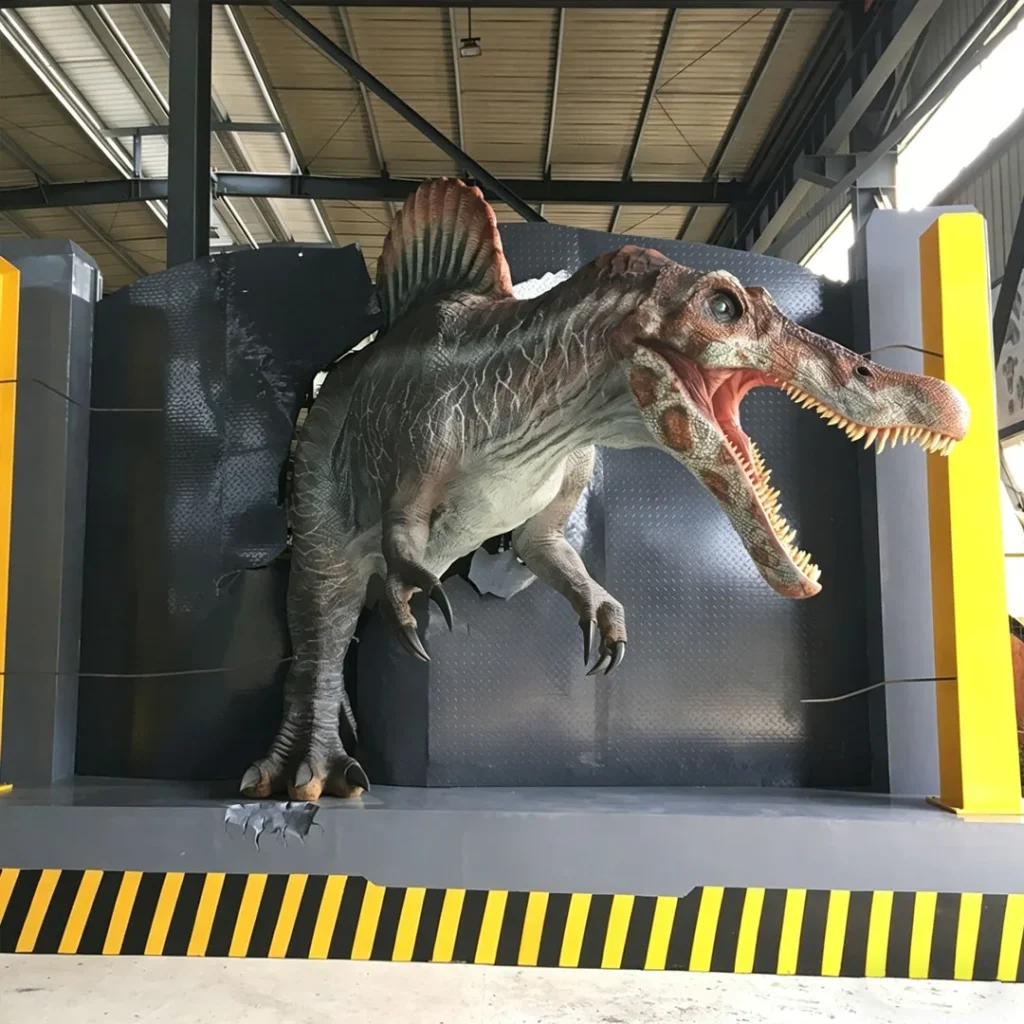
Aquatic PredatorThe sail-backed predator, built for water-edge settings and waterfront exhibits. The sail is the feature visitors photograph first.
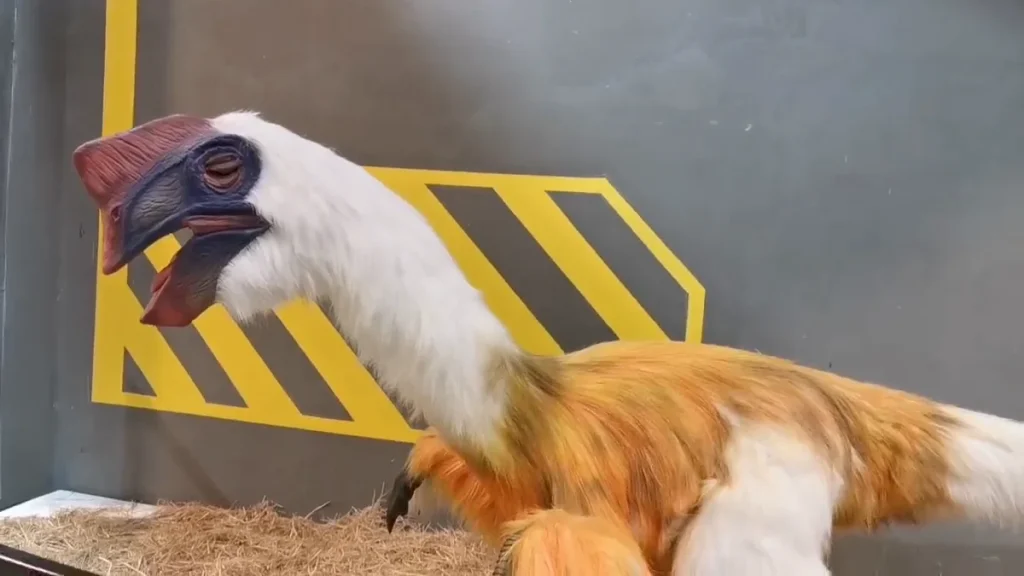
InteractiveThe sensor-triggered build for walk-up engagement. A guest passes the beam and the unit answers — the piece that turns a trail into a stop.
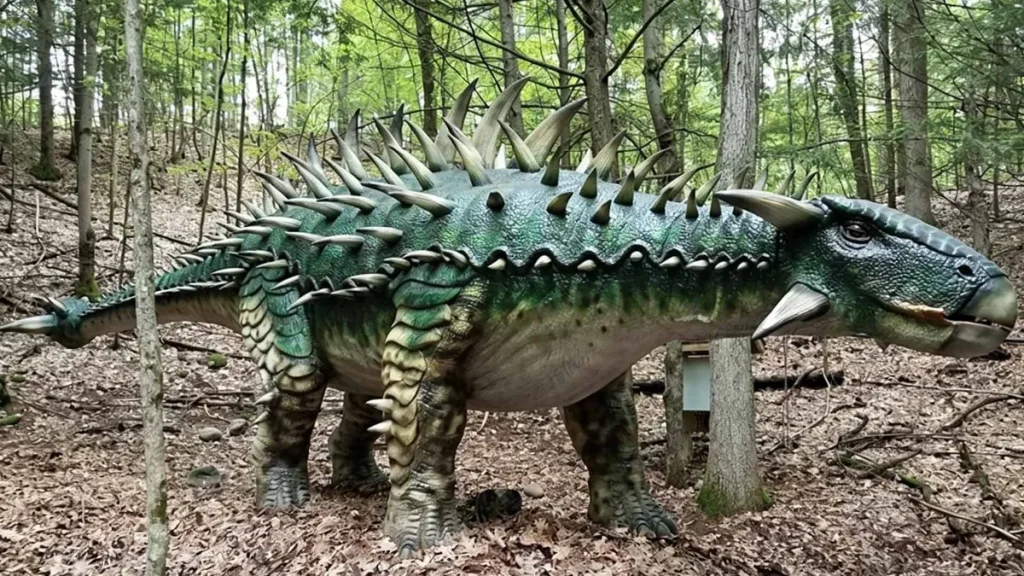
Armored SpecimenThe armored, tail-clubbed herbivore that fills the mid-trail. Its low, wide silhouette breaks up a row of upright theropods.
The guides cover the general case. Your venue has its own constraints — send them over and we'll get specific.
Or email info@hltdino.com — we reply within one business day.