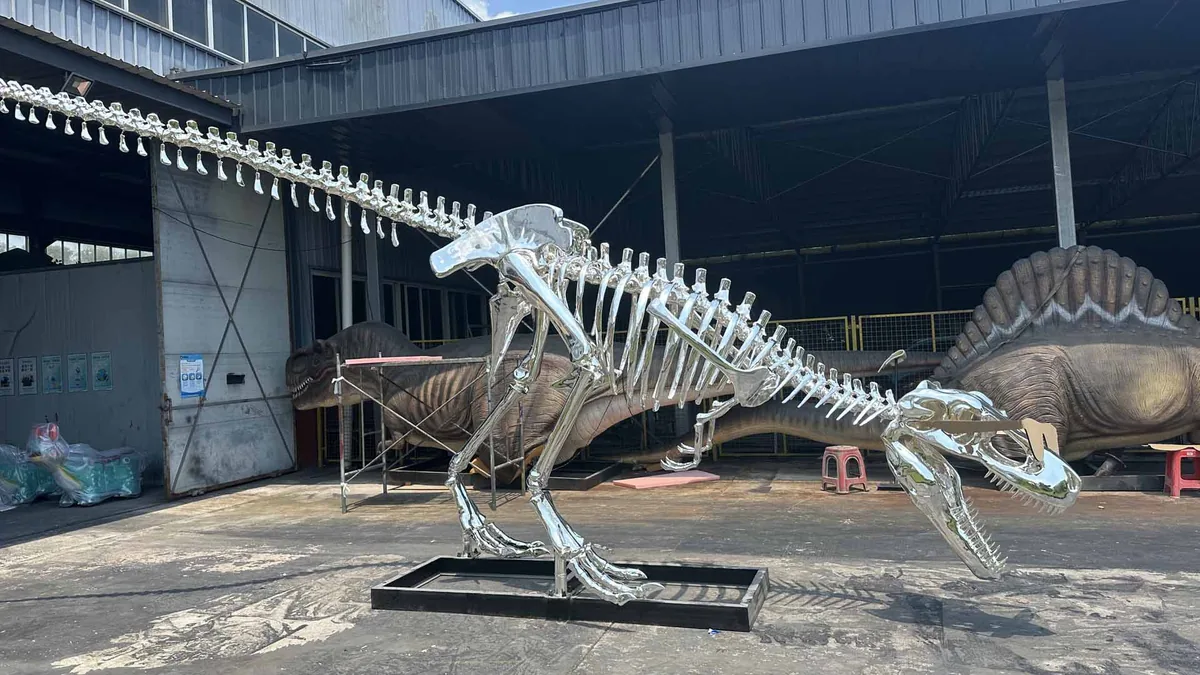
Dinosaur Skeletons & Fossils
A dinosaur skeleton replica is not a model of bones. It is a steel structure that happens to be dressed in bones, and every decision that matters is made in the armature before the first casting comes out of the mould. Get that wrong and the mount sags, the joints open up, and the piece looks wrong from every angle except the one it was photographed from.
A full T-Rex mount runs past two hundred separate pieces. Each one has to attach, and each attachment is a place where the mount can drift over time. There are three ways to do it, and only one is right for a piece the public will walk around.
Glue and dowel is fast and cheap, and it fails at the first thermal cycle. Bolted flanges through the casting work, but they put the load on the resin. The method we use carries the load in the steel and uses the casting only as a shell: the bone is fixed to a bracket that is welded to the armature, so no single bone carries weight for another.
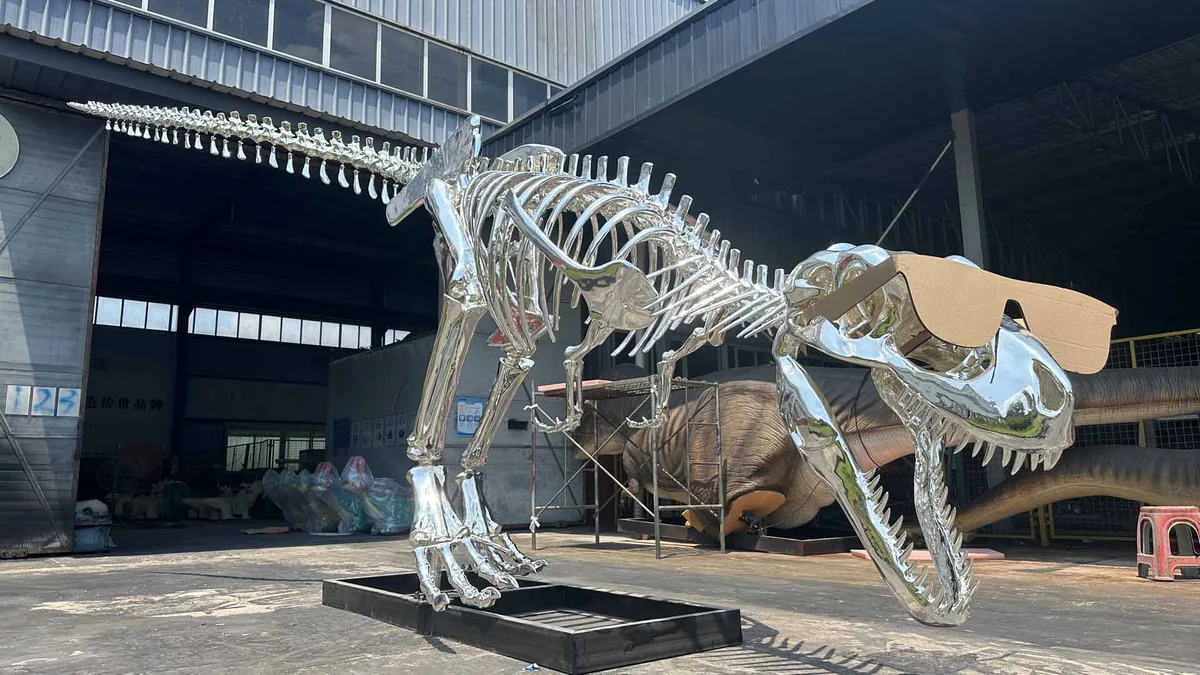
Four questions are settled before anything is welded. How the weight reaches the floor. Whether the pose is fixed or adjustable. How the piece comes apart for transport. And whether the public will touch it.
A permanent hall mount is heavy, simple, and anchored into the slab. A touring mount is built in sections that crate flat, with numbered joints so it goes back together the same way every time. A mount built for one duty and used for the other is how skeletons end up with a tail that slowly drops.
The bones are high-density resin, cast from moulds taken off a scanned and reconstructed skeleton. Resin takes detail, takes impact, and can be repaired invisibly. Steel does the load.
The finish is where most replicas give themselves away. Fossil bone is never a single colour: it runs from sand through ochre to dark umber depending on the sediment the original came out of, and the staining follows the joints and the low points. A uniform bone-white mount reads as a toy at ten metres, which is exactly the distance most visitors first see it from.
Full size is 12 metres long and about 5 metres at the hip. It is the version that makes a hall feel like a natural history museum, and the version that needs the floor and the ceiling height to carry it.
Half scale suits a gallery with a lower ceiling, and quarter scale is what most travelling education programmes actually order, because it fits through a door and into a van. The trade-off is honest: at quarter scale the detail still reads, but the presence does not. If the piece is going to be the room’s centrepiece, do not scale it down.
A mount that will be relocated should be specified as such at brief stage. The section joints, the lifting points and the crate plan all have to be designed in, and retrofitting them costs more than building them from the start.
Once installed, the maintenance is inspection rather than repair: check the anchor points and the joint bolts once a year, keep the piece out of standing water, and dust with a soft brush rather than a cloth. Resin does not fade quickly, but it does hold dust in the grain of the ageing, and a brushed surface keeps the staining reading as fossil rather than as grime.
| Overall length | 12 m at 1:1 |
|---|---|
| Overall height | About 5 m at the hip |
| Bones | 200-plus, individually cast |
| Armature | Welded national-standard steel, load carried in the frame |
| Bone material | High-density resin with mineral pigment ageing |
| Scale options | 1:1, 1:2 or 1:4 |
| Mount | Permanent hall build, or sectional with numbered joints for touring |
| Duty | Indoor as standard; outdoor specification on request |
Is the pose fixed? Yes on a standard mount. An adjustable head or a changeable tail angle is possible and must be agreed at brief stage, because it changes the frame.
Can it be built for touring? Yes, in numbered sections with a crate plan. Specify it from the start.
How accurate is the skeleton? It follows published measurements for the species rather than one specific specimen. If you need a named specimen, that requires a caster working from the original and is a different order.
Do you supply the foundation design? We supply the anchor layout and the load figures; the structural design of the slab is signed off locally.
Materials. High-density resin bone castings over a welded national-standard steel armature, mineral pigment ageing finish.
Related. the full skeleton and fossil range, museum placement and layout, the buying guide.
Same factory and the same build standard. What changes is size, movement set and how the exhibit is meant to be used on site.
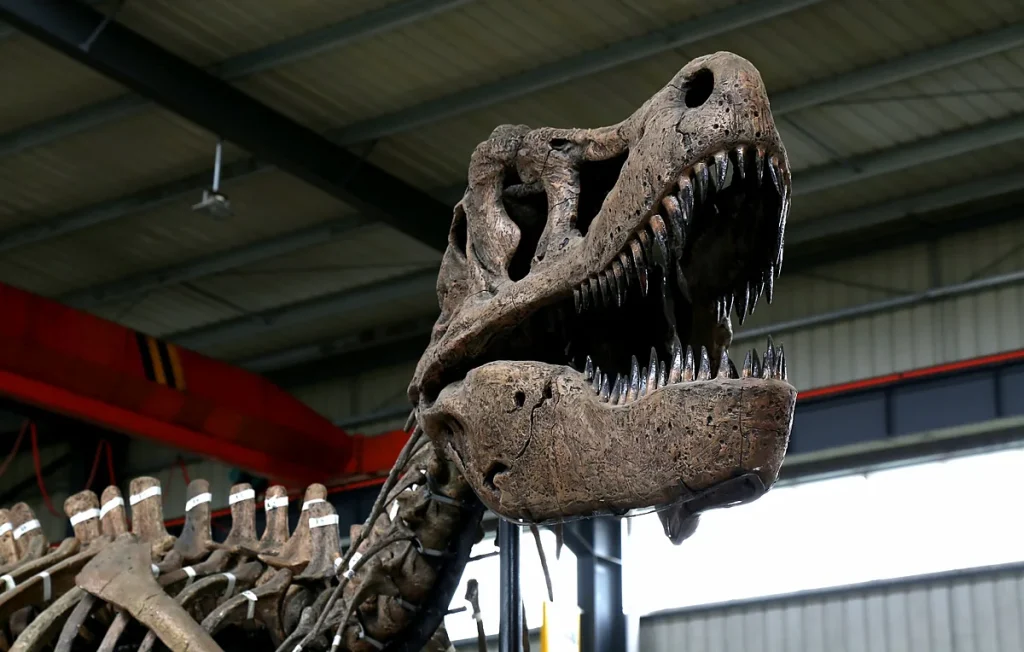
A skull is where most buyers start. It is the cheapest way to own a piece of a T-Rex, it survives a change of […]
View Product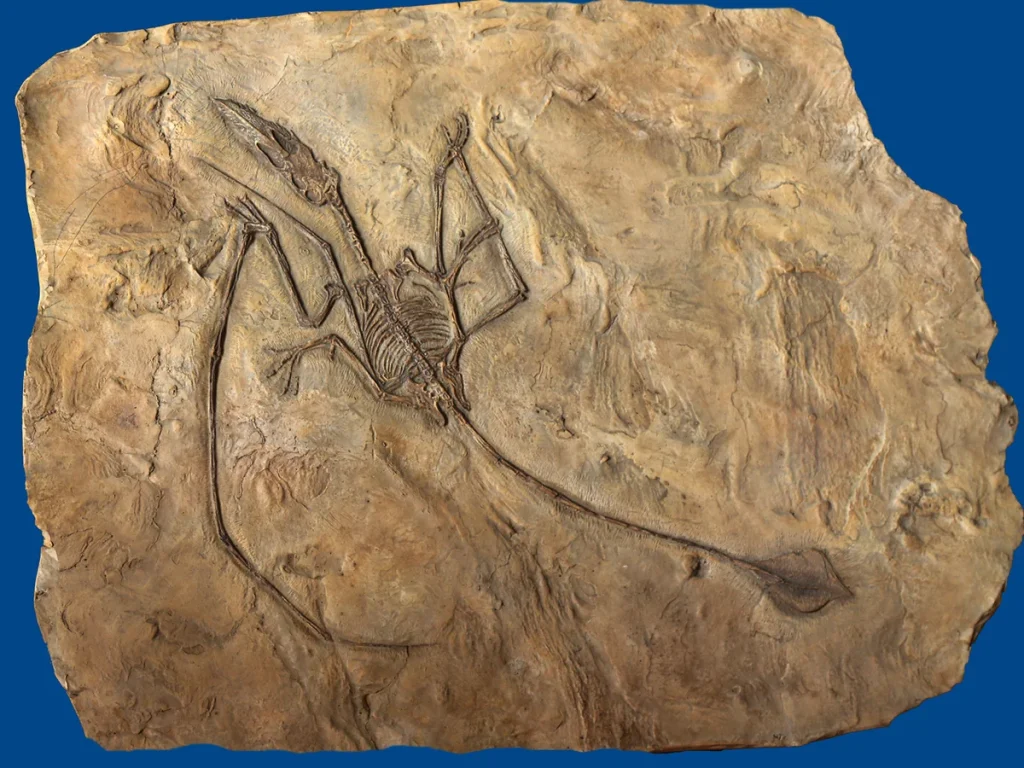
The long-tailed pterosaurs are the ones that look like the drawings everybody remembers: a diamond-shaped tail vane at the end of a long stiffened […]
View Product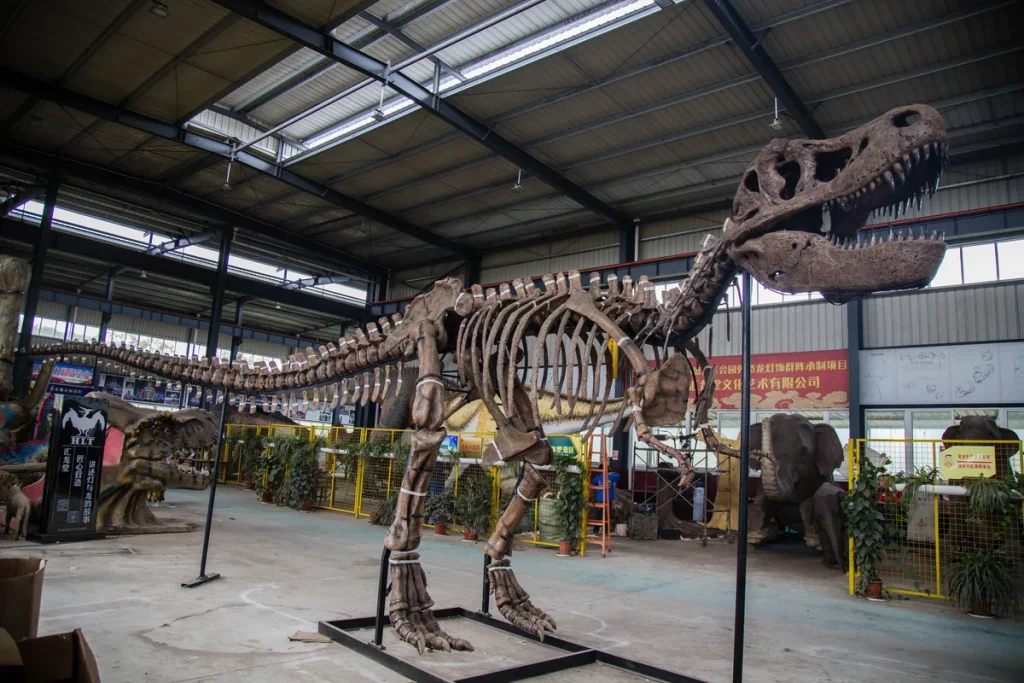
A skeleton reads differently from a mounted animal, and the difference is the gaps. There is no skin to hide the joints, no pose […]
View ProductThree things buyers usually want settled before they ask for a drawing — what drives the number, how the piece is actually built, and what to check between suppliers.
From fossil reference to finished skin — how proportions, texture, colour and weathering are decided, and what separates a realistic build from a cartoon one.
Read the guide →Frame, drives, skin, sensors, sound and weatherproofing — the six systems behind every animatronic dinosaur, and how each one changes cost and behaviour.
Read the guide →Choosing the right animatronic dinosaurs for your venue is not just about picking the most famous species — it is about matching each dinosaur […]
Read the guide →Send your dimensions, movement requirements and installation site. You get a realistic budget range and a dated build schedule.
Or email info@hltdino.com — we reply within one business day.