Animatronic Animals
Life-Size Animatronic Crocodile Statue
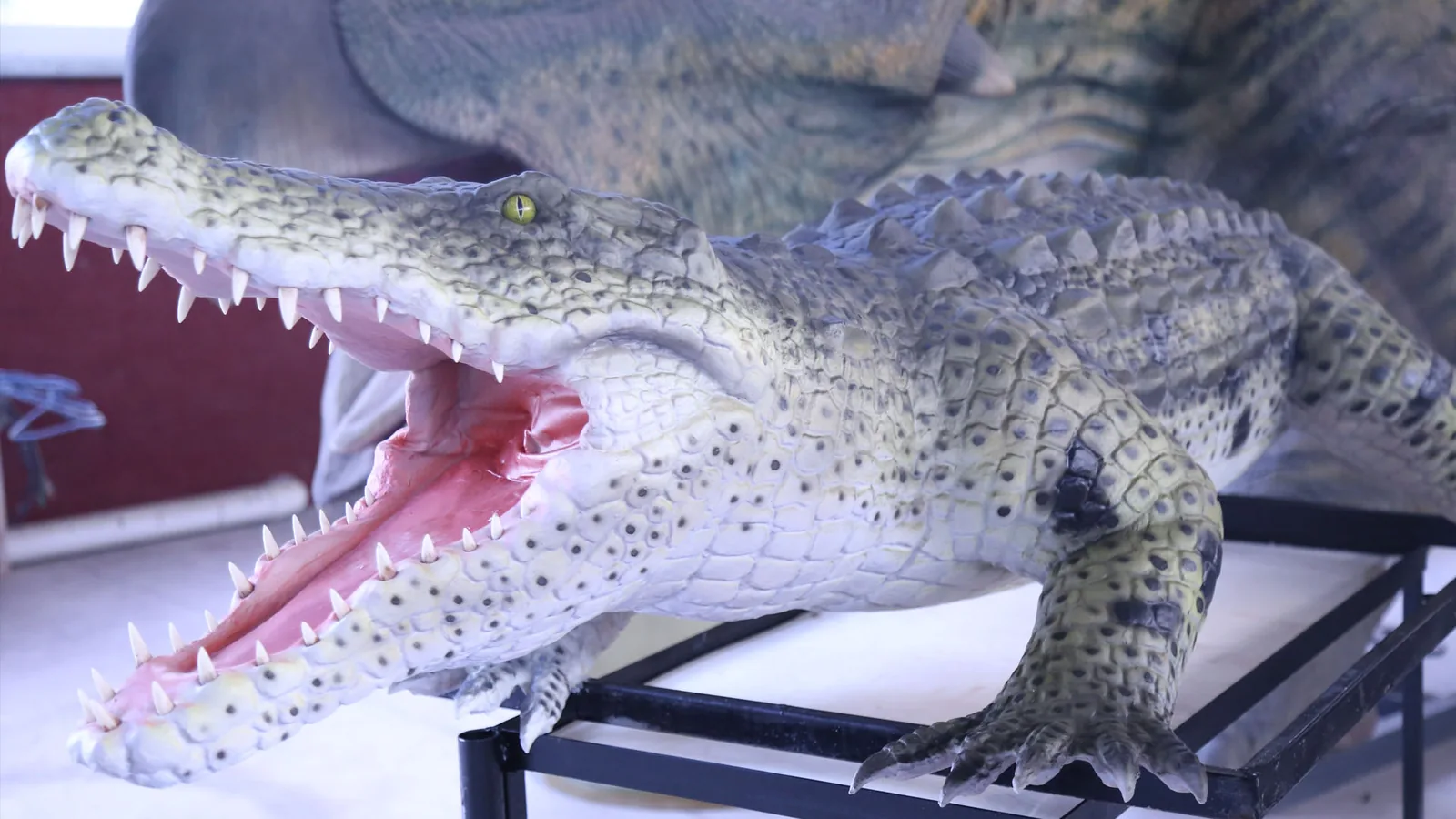
Hyper-realistic animatronic crocodile with hand-sculpted osteoderms, opening jaw and two poses — threat display or low hunting stance.
Hyper-realistic animatronic crocodile with hand-sculpted osteoderms, opening jaw and two poses — threat display or low hunting stance.
A crocodile is the easiest animal in the catalogue to make threatening, because it is threatening at rest. Visitors do not need it to lunge. An open jaw, a still body and a head that turns to follow them is enough — which is why the motion design on this build is deliberately sparse.
| Species | Crocodylus niloticus (Nile crocodile) — other species available |
|---|---|
| Type | Animatronic or static, specified at order |
| Size | Life-size adult male; custom dimensions available |
| Material | Internal frame with high-density foam and hand-finished surface |
| Surface | Hand-painted textured finish, UV-resistant and weatherproof |
| Base | Natural rock or wetland platform, customisable |
| Animation | Jaw open and close, head rotation, tail thrash (optional) |
| Sound | Hiss, water splash and growl on proximity sensors |
| Power | 110–240 V AC, weatherproof box with GFCI protection |
| Water exposure | Partial water exposure compatible; sealed electronics enclosure |
| Support | 2-year mechanical / 1-year electronic |
The jaw is hinged behind the tooth line, so it opens in an arc rather than sliding forward. That single detail is the difference between a crocodile and a puppet: a jaw that slides looks like a drawer, and visitors register it without being able to say why.
Opening is slow and does not go wide. A crocodile at rest holds its mouth open for minutes; it does not snap. The slow open is also what makes the sound work — the hiss lands on the movement rather than after it.
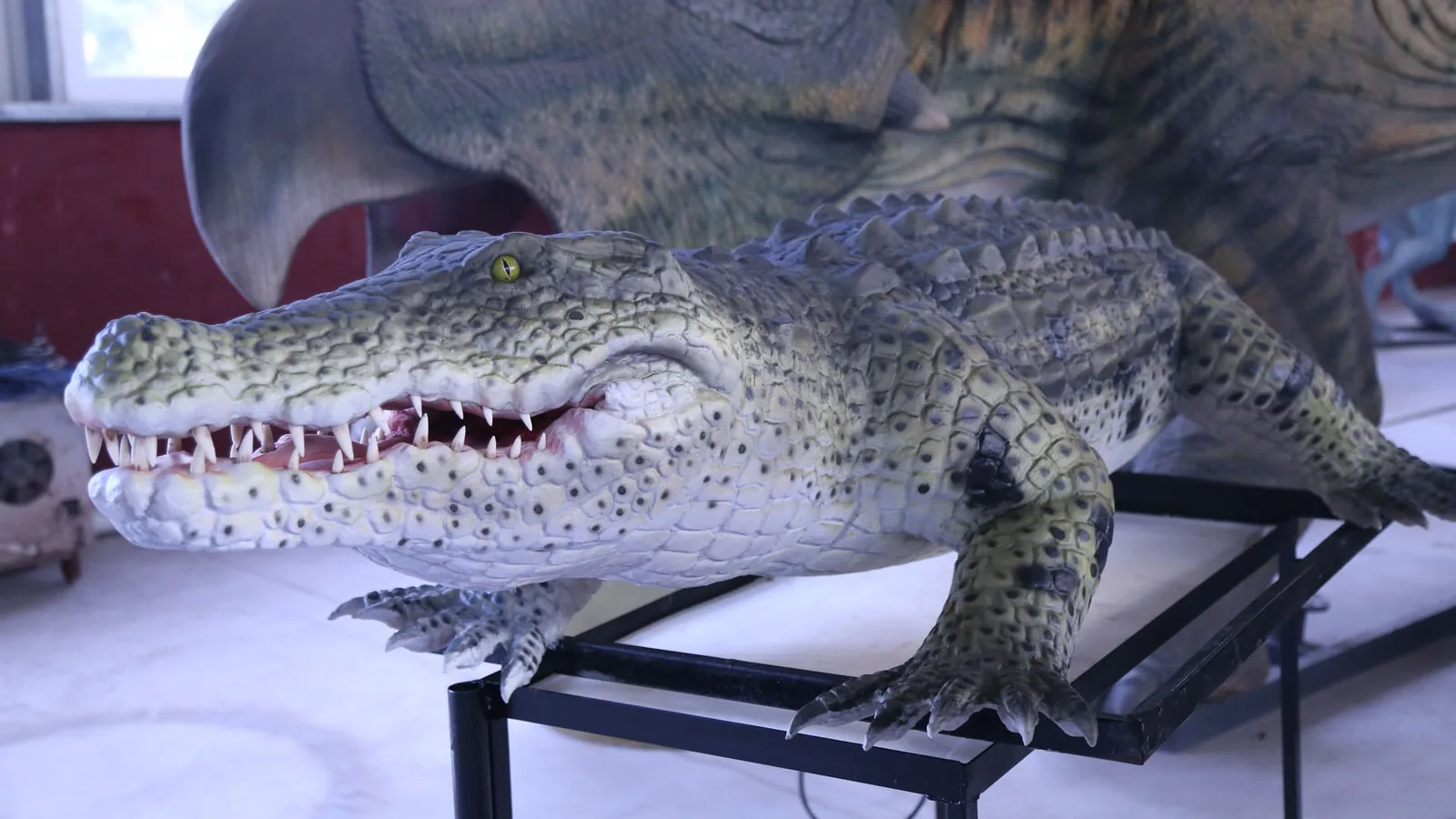
Partial water exposure is a declared specification, not a hope. The electronics sit in a sealed enclosure with GFCI protection, and the base is designed so the animal stands in shallow water rather than floating in it. If the site involves a real pond or pool, say so at order — the footing and the drainage detail change.
The rest of the animal is specified for wet ground either way: UV-resistant, weatherproof finish over a foam core, which scuffs rather than cracks when a visitor leans over the barrier.
Can it go in an actual pool? Partial submersion, yes, with the water specification declared at order. Full submersion is a different build and we will say so.
Should the tail move? Optional, and on a public exhibit it is usually left off — a thrashing tail clears the ground by very little and needs a wider clear zone than the body implies.
Static or animatronic? Static works where the animal is behind glass or above head height. At visitor level, the head turn is what makes it read as alive.
Which species? Nile crocodile is the standard. Other species are the same structure with a different head sculpt and paint.
A single 110–240 V supply to the animal, with the weatherproof control box at the base. The GFCI protection is on our side; the site side needs the supply to be earthed properly, which is a one-minute check and the most common thing an electrician finds on a first visit.
Outdoors, the base needs a hard standing even when the animal is beside water. A rock or wetland platform sitting on soft ground will settle, and a settled crocodile shows a gap at the belly that no amount of paint hides.
Jaw timing first: the open is slowed until the mouth takes several seconds to reach full gape, and the hiss is timed to start a beat after the movement begins. Then the head rotation is ranged against the approach path.
The tail, where fitted, is set to its narrowest useful arc and the clear zone is marked on the ground while the animal is running. A crocodile tail that touches a visitor is the fastest way to close an exhibit.
Materials. Internal frame, high-density foam, hand-finished textured skin, sealed electronics enclosure with GFCI protection.
A crocodile beside a pond is the strongest version of this exhibit, and it is also the one that needs a maintenance routine. Check the enclosure seal at the start of each season, keep the water below the electronics line, and drain the base area after heavy rain rather than letting it sit. The animal is built for partial exposure; it is not built for standing in stagnant water for a year.
Related. the animatronic animal range, the python, marine and reptile exhibits, request a quote.
Same factory and the same build standard. What changes is size, movement set and how the exhibit is meant to be used on site.
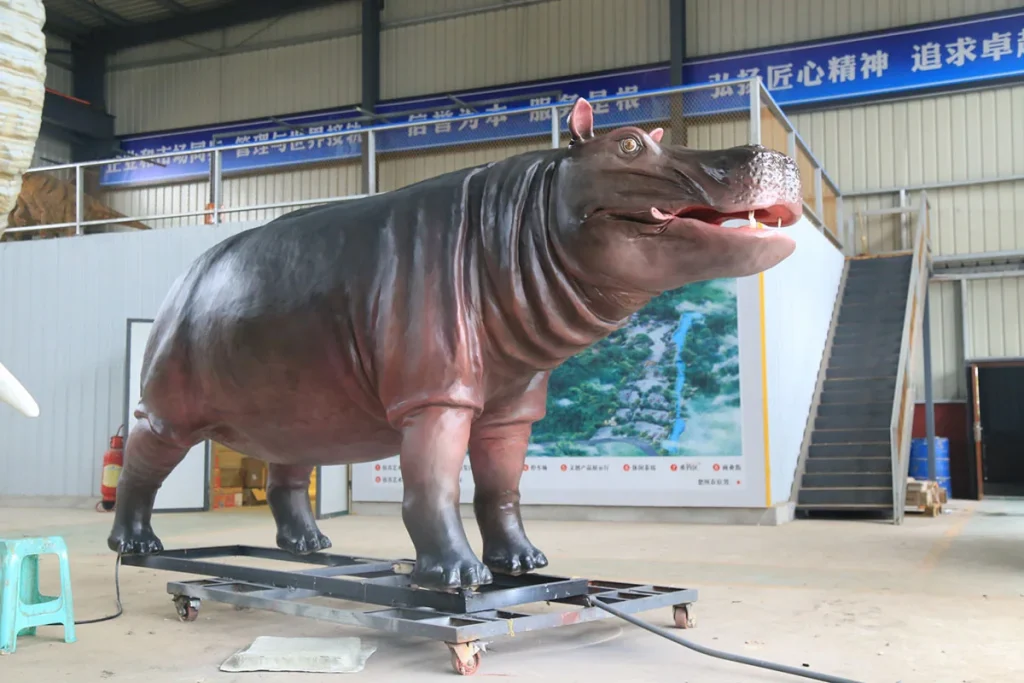
A hippopotamus is the one animal where the motion design is mostly about restraint. Real hippos stand still for long stretches, and a build […]
View Product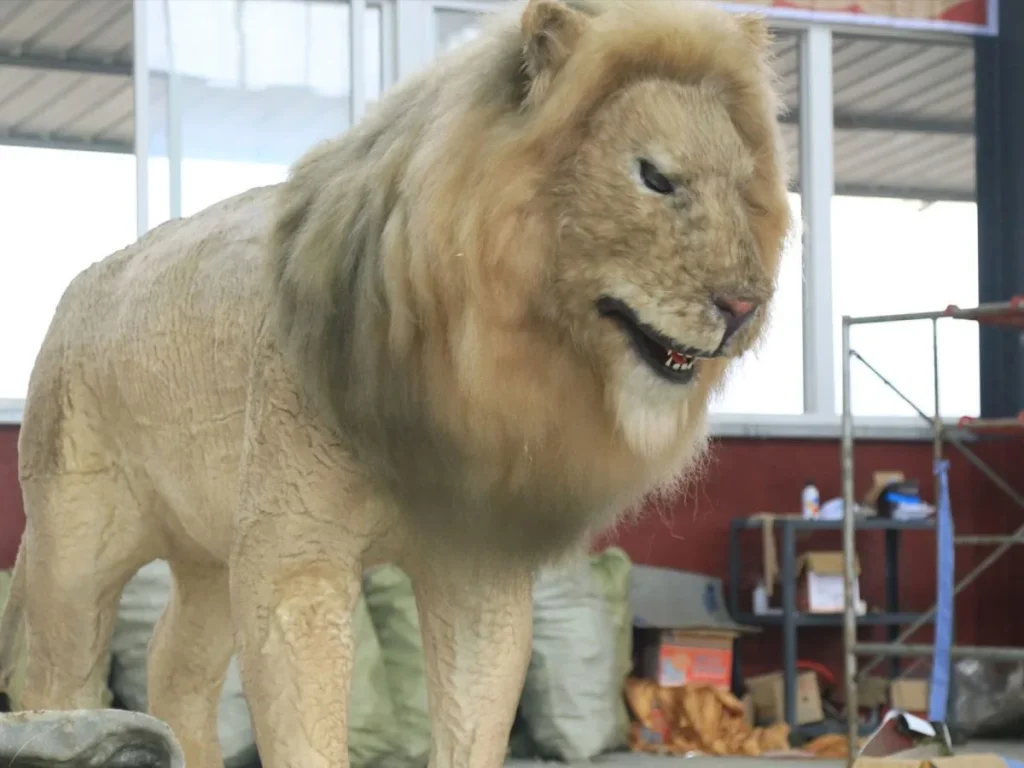
A lion is the easiest animal in the catalogue to get wrong. Everyone knows what a lion looks like, and the failure mode is […]
View Product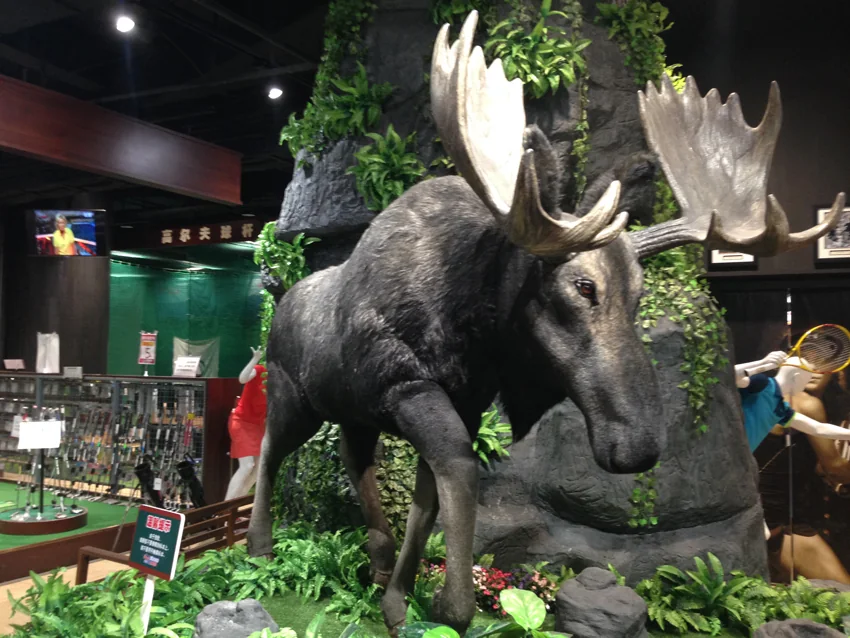
A moose is recognised by three things and nothing else: the palmate antlers, the hanging dewlap under the throat, and the shoulder hump that […]
View ProductThree things buyers usually want settled before they ask for a drawing — what drives the number, how the piece is actually built, and what to check between suppliers.
Extinct and hard-to-keep species, sculpted to anatomy keepers can check — where animatronic animals earn a place beside a living collection.
Read the guide →From fossil reference to finished skin — how proportions, texture, colour and weathering are decided, and what separates a realistic build from a cartoon one.
Read the guide →How Much Does an Animatronic Dinosaur Cost? Understanding the Key Cost Factors If you are planning a museum exhibition, theme park attraction, or promotional […]
Read the guide →Send your dimensions, movement requirements and installation site. You get a realistic budget range and a dated build schedule.
Or email info@hltdino.com — we reply within one business day.