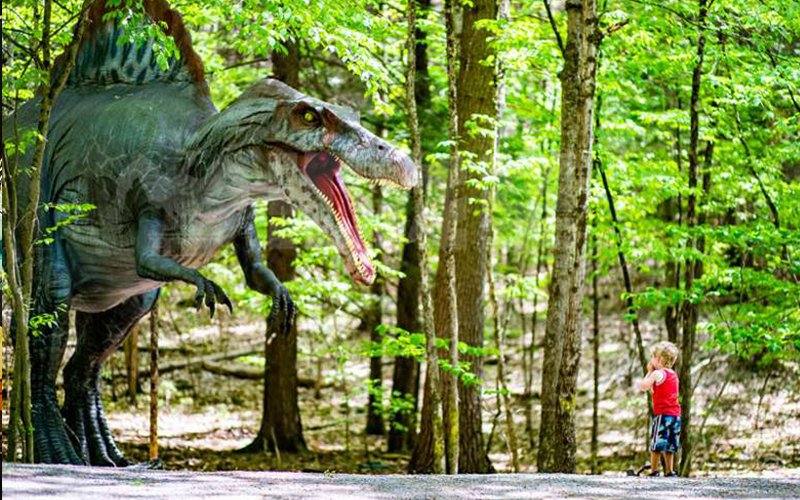
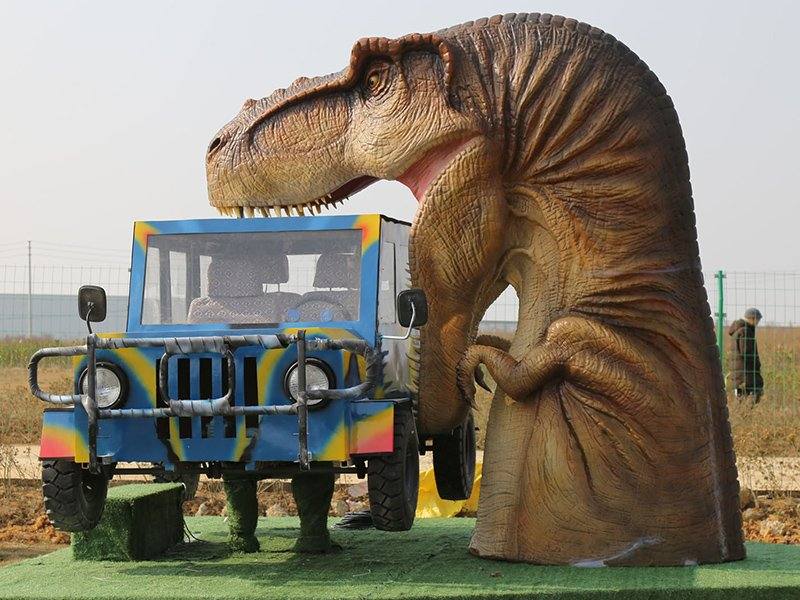
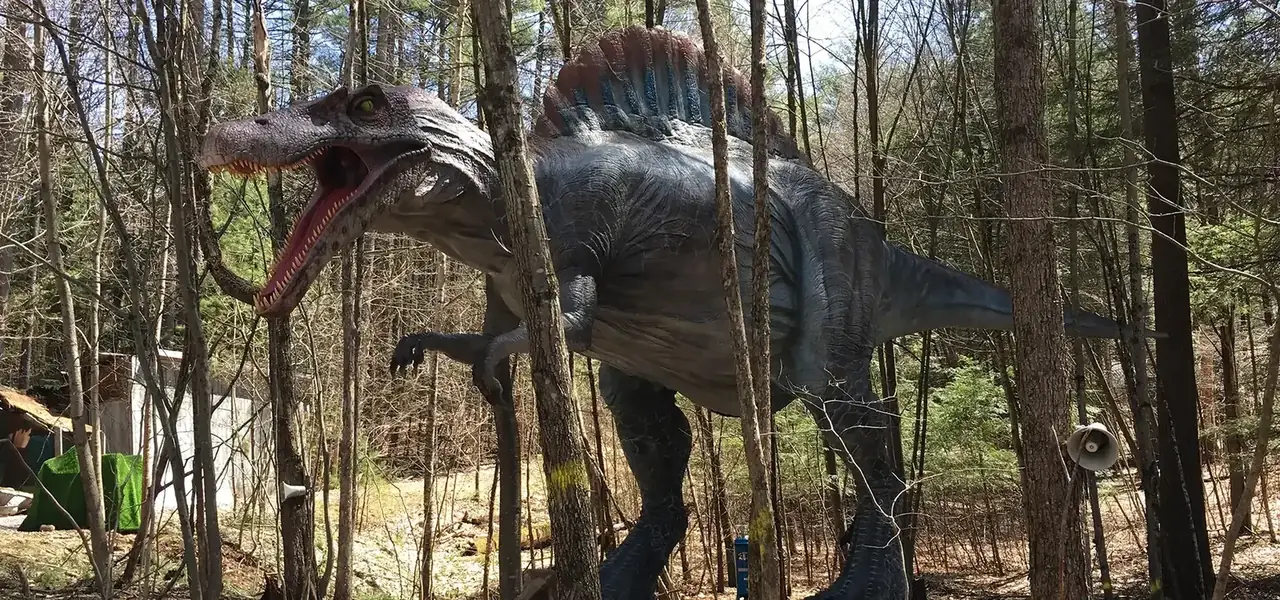
Some species are impossible to keep, and some days the animals simply will not perform. Animatronic animals extend a collection without feed, vet bills or weather cancellations — sculpted to anatomy your keepers can check.
Where moving models earn their place beside living animals.
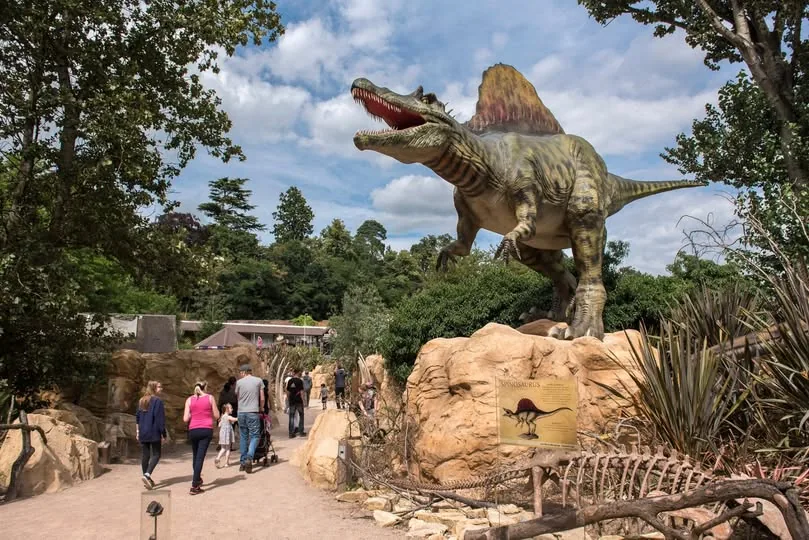
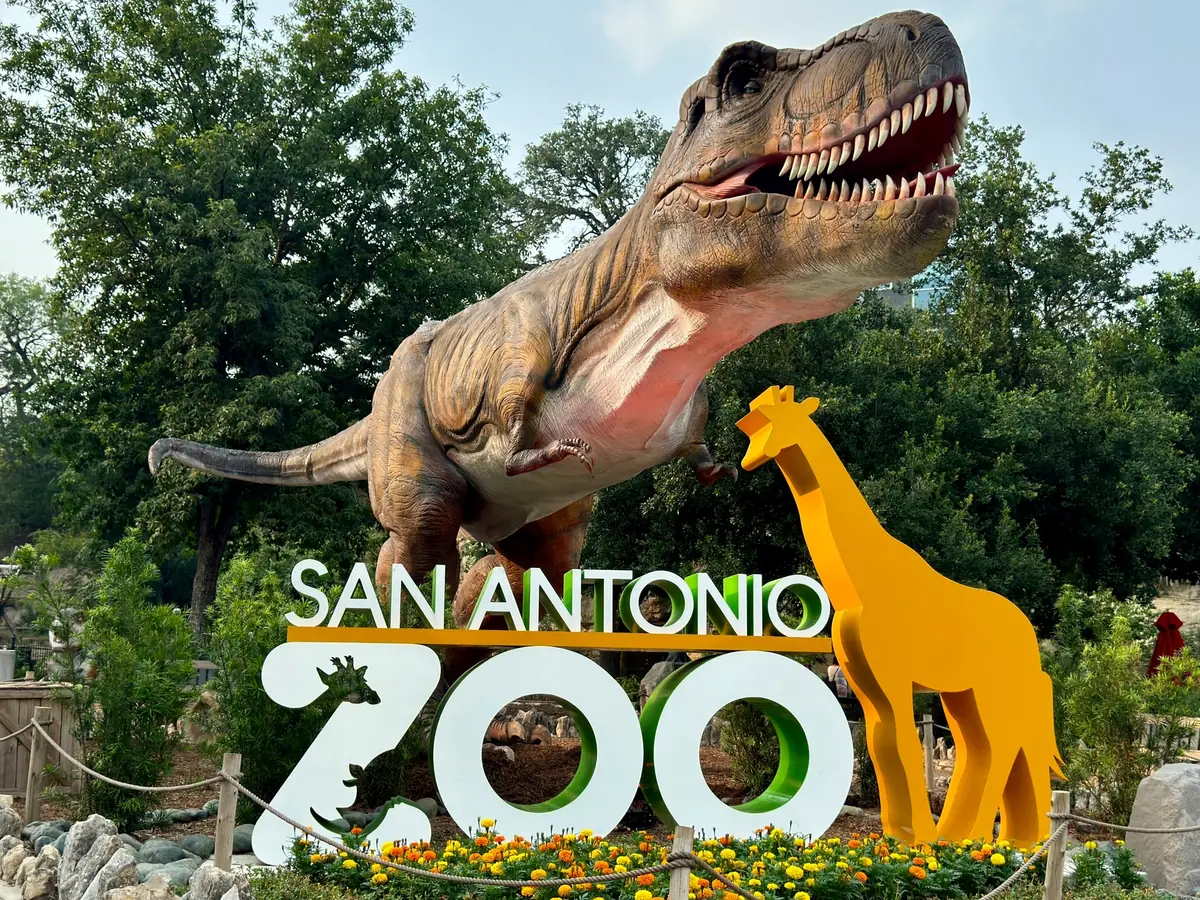
Add species you cannot house — a Pleistocene hall, a prehistoric trail, an extinct-predator talk — without new enclosures or keeper hours.
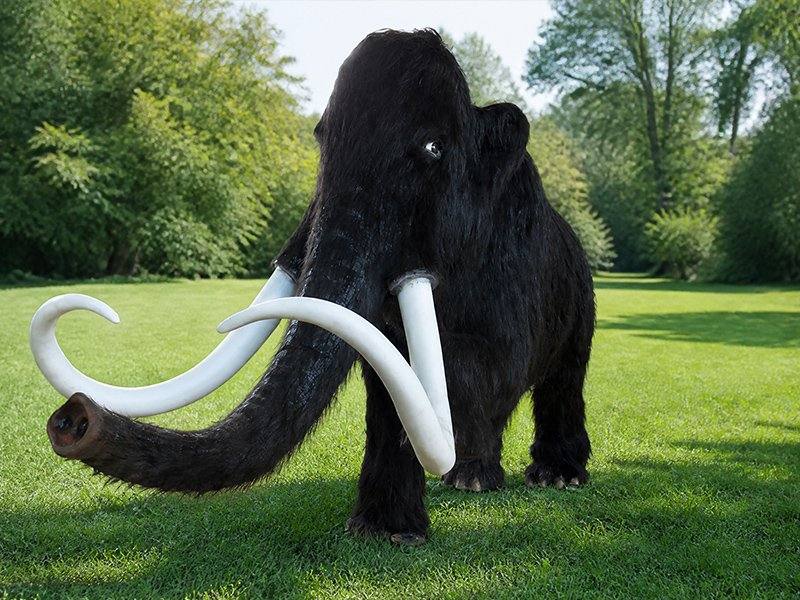
A moving Smilodon or woolly mammoth makes an extinction story physical. Visitors understand scale and behaviour faster than any label.
No off-show days, no weather cancellations, no breeding cycles. The exhibit performs on schedule for school groups and peak weekends.
Most zoos start with a walk-through trail, then add a seasonal hall.

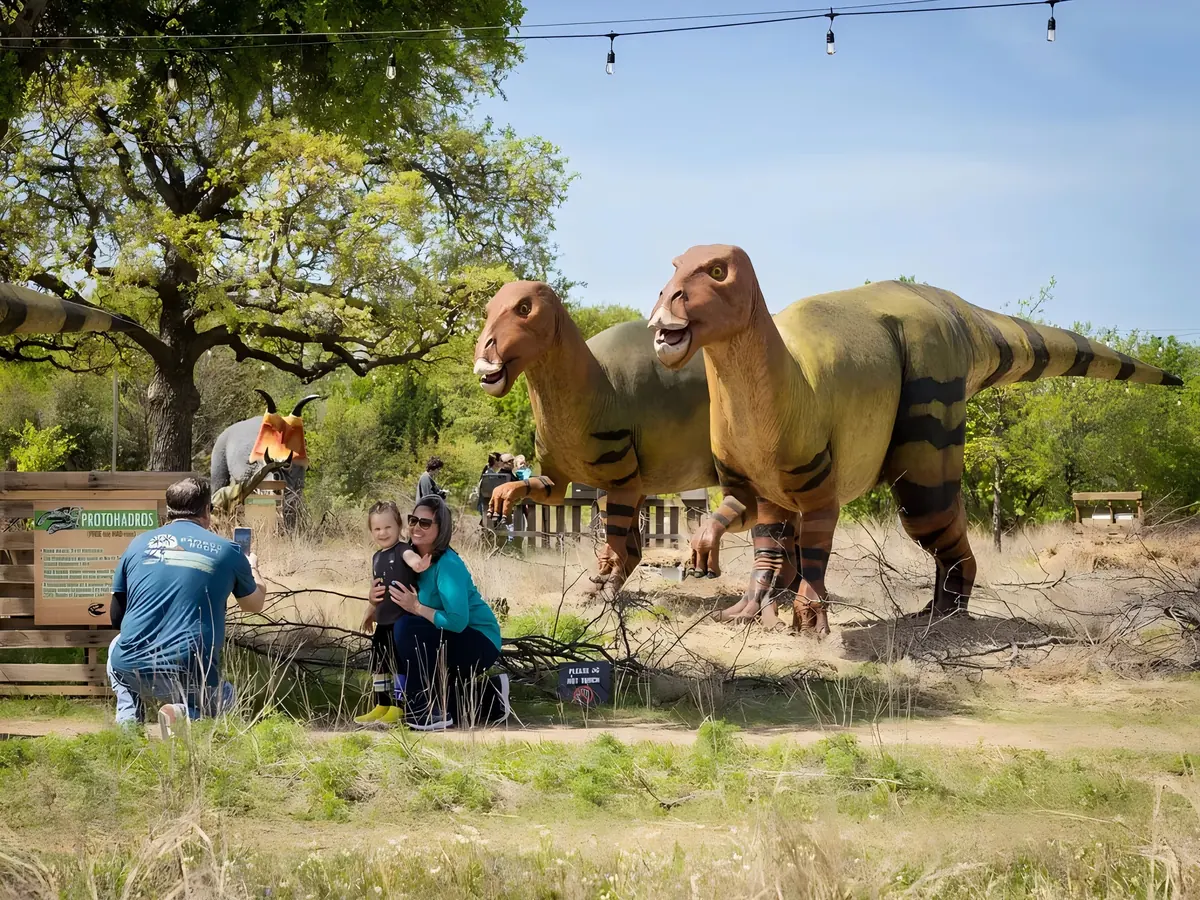
Life-size predators and herd animals with true anatomy — the trail centrepiece.
View Category
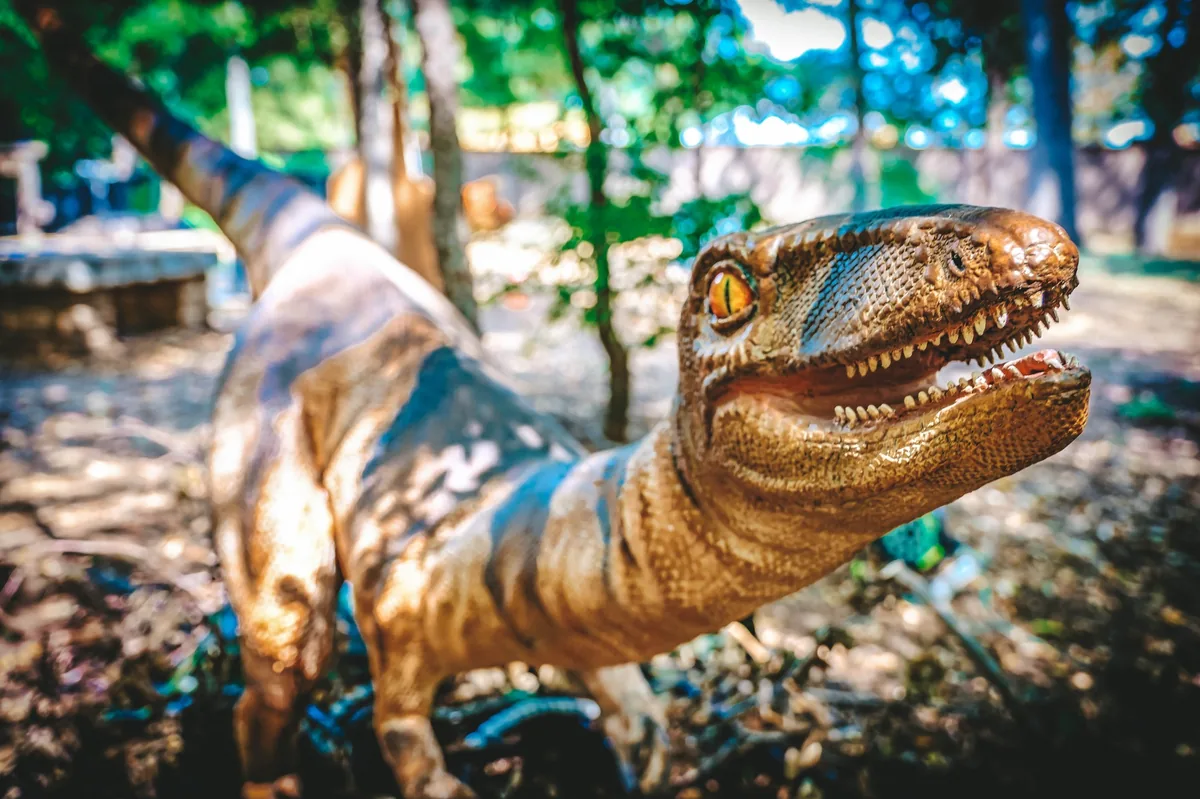
The extinct-zone cast — species that anchor a separate walk-through trail.
View Category
Mammoth and Smilodon for winter programming and Pleistocene halls.
View CategoryZoo placements are governed by animal stress distances and weather exposure, not by visitor numbers alone.

A long-neck build at sixteen metres needs the clearance to turn its head without clipping the tree line.
Animatronic Dinosaurs
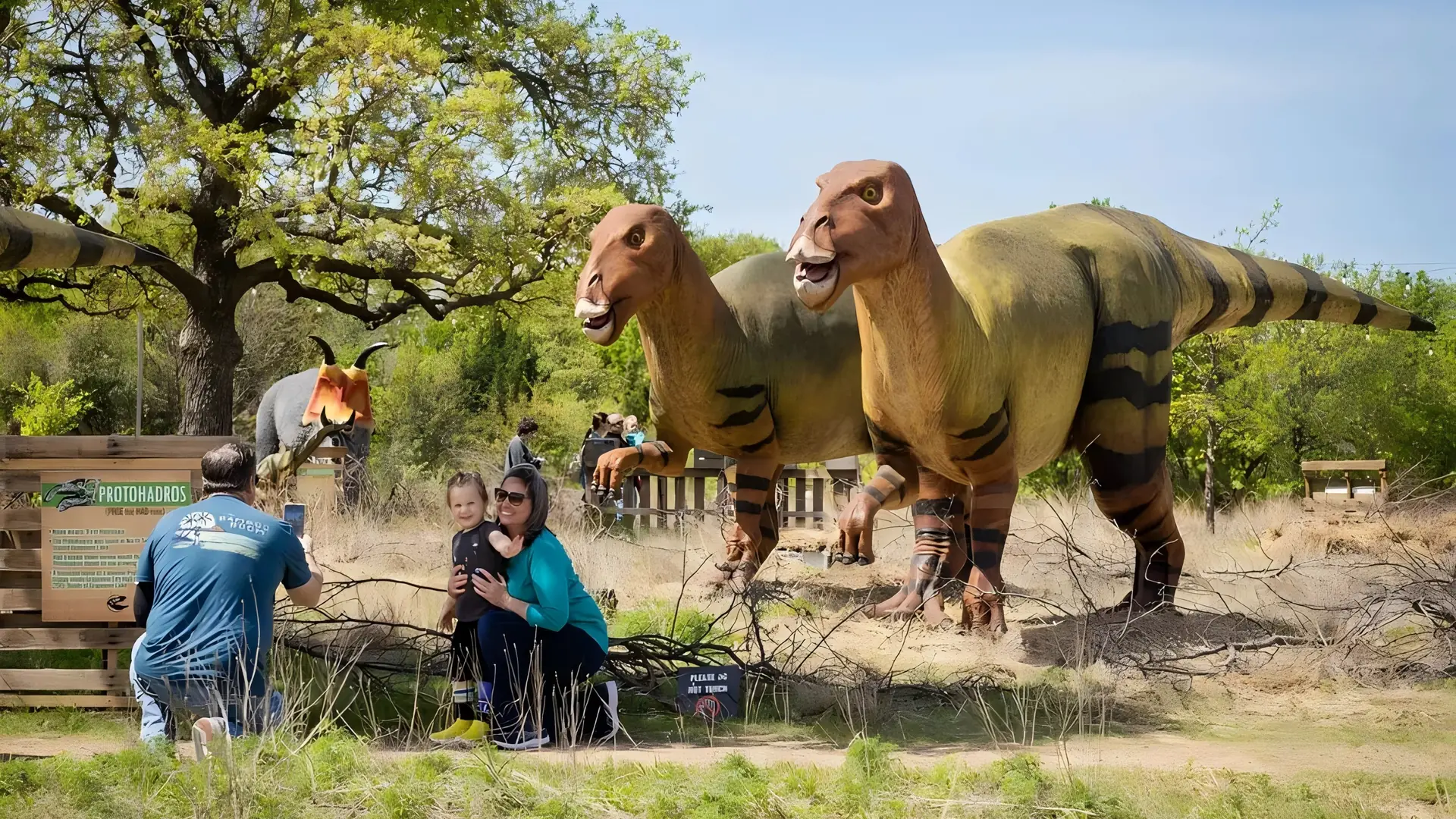
Trail pieces are spaced for walking pace, so the reveal happens one animal at a time.
Animatronic Dinosaurs
Outdoor duty means sealed power runs and drainage at the base from the first day on site.
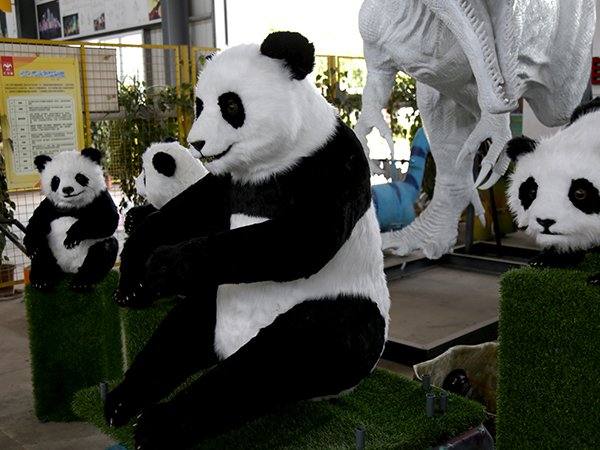
Animatronic Animals
Landscaped placements need the trigger where visitors actually stop, not at the edge of the path.
Animatronic AnimalsTrail layout decides the species order. Predators work at the end of a loop where crowds gather; herd animals work as fillers that keep visitors moving. Send the trail plan and we will map species to stops.
Weather and substrate matter more outdoors. Outdoor builds are rated −20°C to +60°C with sealed electrical enclosures, and plinths are specified for the ground you actually have — grass, gravel or hard standing.
Because the exhibit sits inside a working collection, we plan service access so maintenance never crosses an animal enclosure, and we supply a maintenance schedule your team can run between keeper rounds.
At a distance, yes — that is the point of true-anatomy sculpting. Up close we keep the plinth and drive housing visible so it reads as an interpretive exhibit, not a deception.
Yes, with the right placement. We route service access so maintenance never crosses an animal enclosure, and specify sealed electrical enclosures for outdoor positions.
Outdoor builds are rated to −20°C; for harder winters we supply a storage and startup routine. Seasonal pieces like the mammoth are often rotated into winter programming deliberately.
Your team can. We supply a maintenance schedule, spare-parts list and touch-up kit, plus remote troubleshooting for control and drive issues.
Anchor predators, ride-on fleets and sensor-triggered shows built for throughput.
View Scene
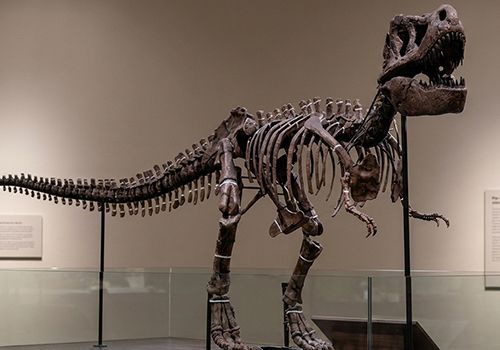
Museum-grade animatronics and 1:1 fossil replicas built to curation standards.
View Scene
Atrium takeovers and interactive shows that turn footfall into destinations.
View Scene
Installation day: a long-neck section lifted into position by telehandler.
A mixed-species interpretive trail where every figure is placed for walking pace, and installation ran along the path by telehandler.
Figures were spaced so the trail delivers a new animal at each bend, instead of showing the whole collection from the entrance.
Every plinth position was checked against the telehandler route before the pieces shipped, which keeps installation to days rather than weeks.
Send the trail plan, the species shortlist and your ground conditions. We will map species to stops and return a dated production schedule.
Or email info@hltdino.com — we reply within one business day.