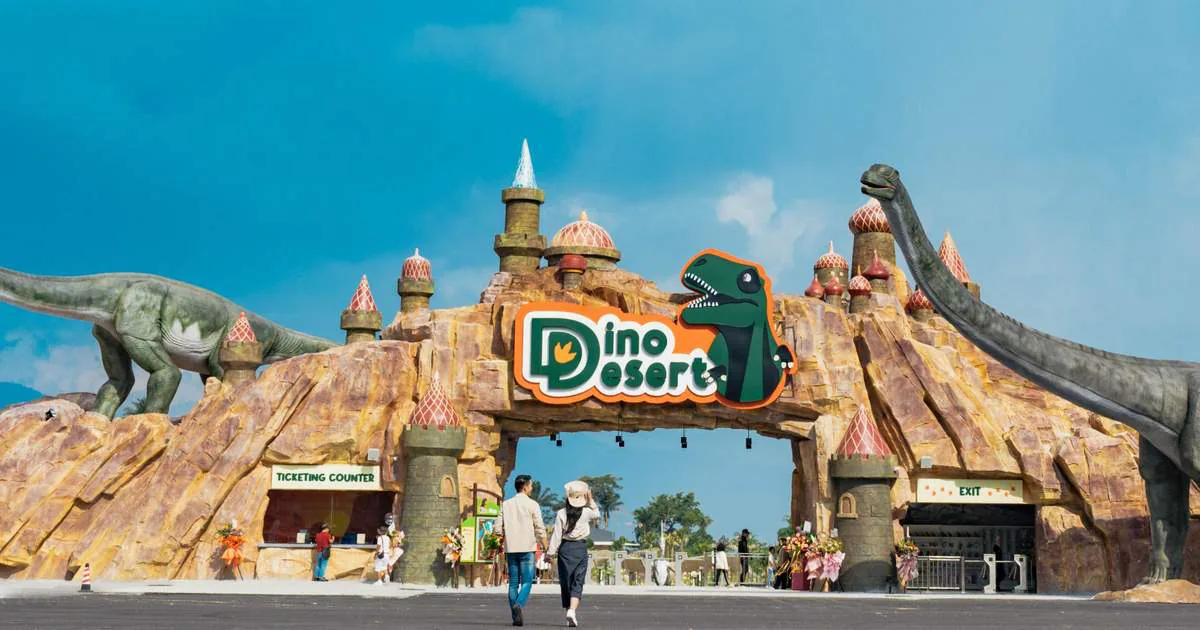
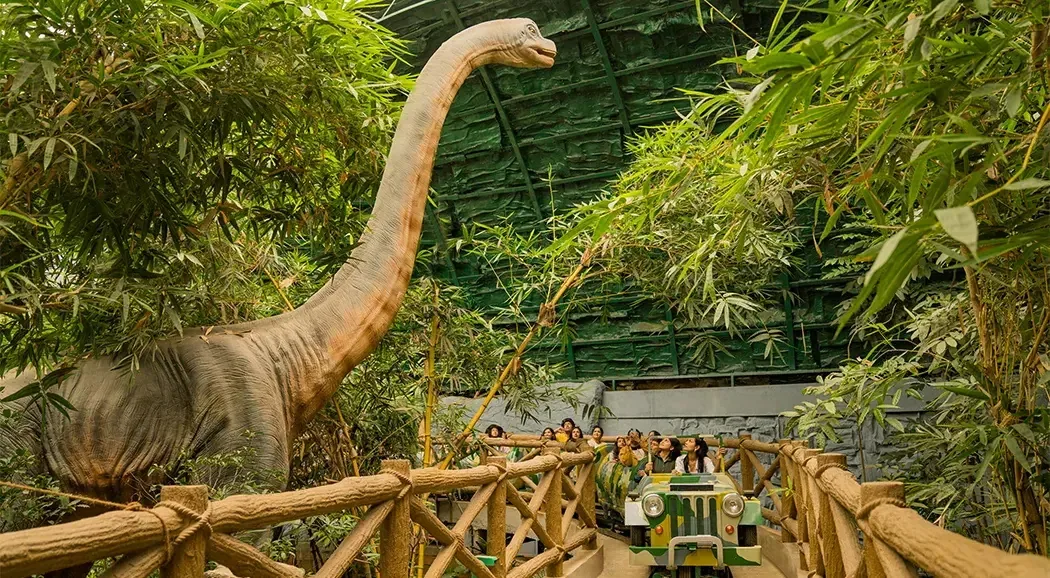
An anchor predator at the gate, rides that pay for themselves, and a sensor-triggered show everyone films. Here is how the pieces fit together — from a factory that has outfitted parks on four continents.
Anchor ExhibitsRide-On FleetsInteractive Shows30–45 Day Build
Operator Outcomes
Build the Trail Around Dwell Time, Not Species Count
The numbers park operators care about — and how an exhibit earns its footprint.
01
Longer Visits
A dinosaur trail or ride zone turns a half-day visit into a full day. Visitors pace themselves around the shows — dwell time goes up across the whole park.
02
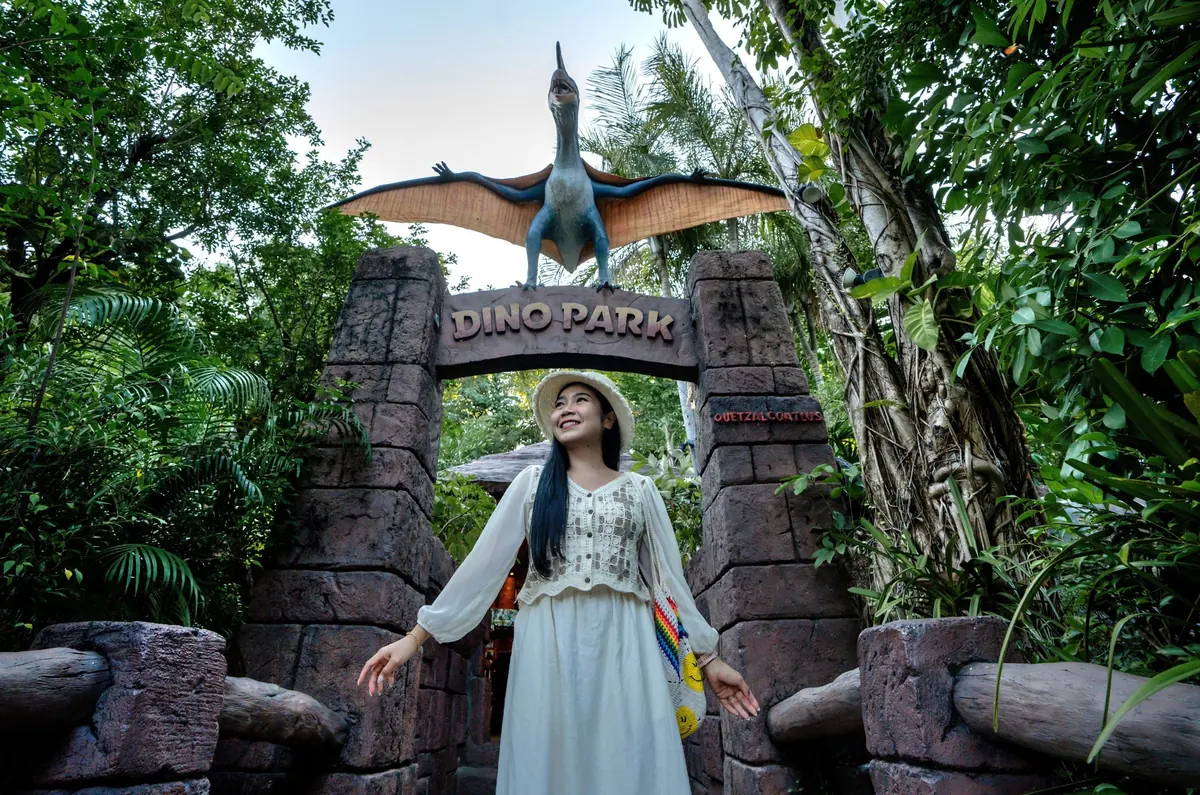
Built-In Photo Spots
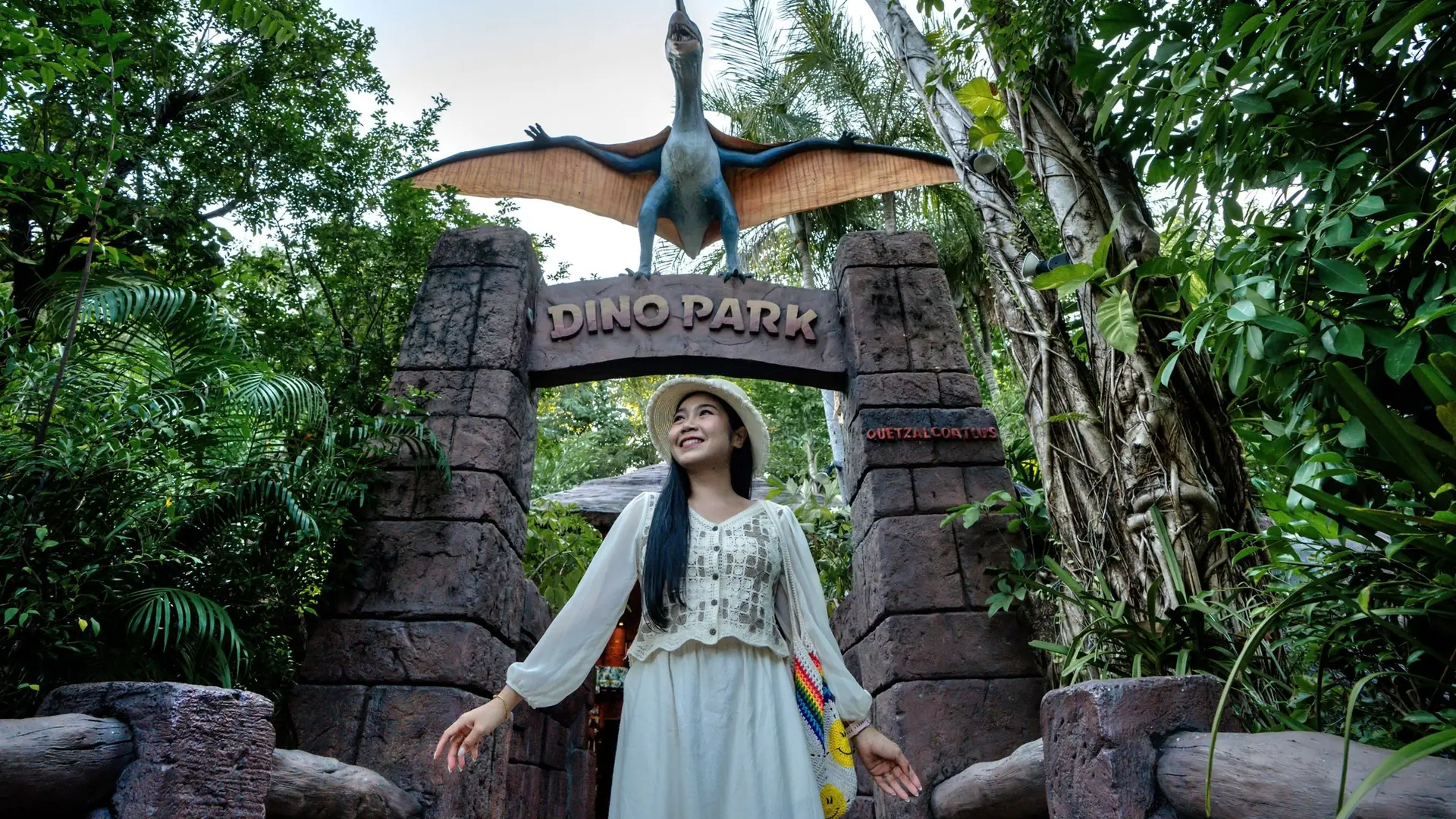
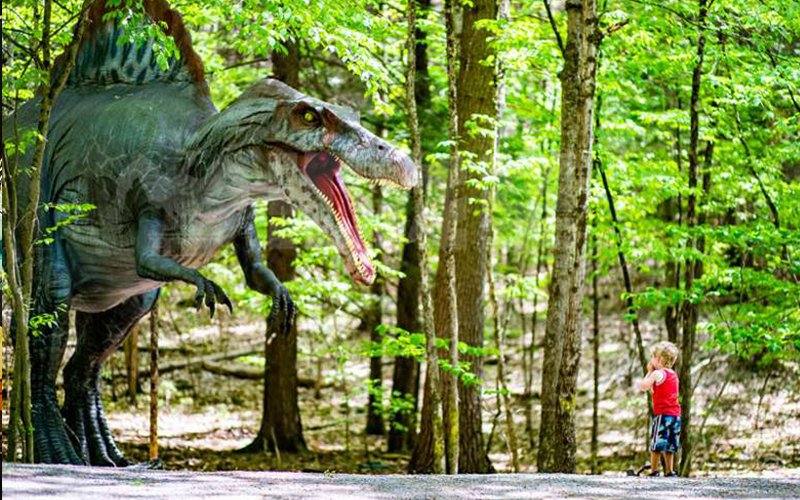
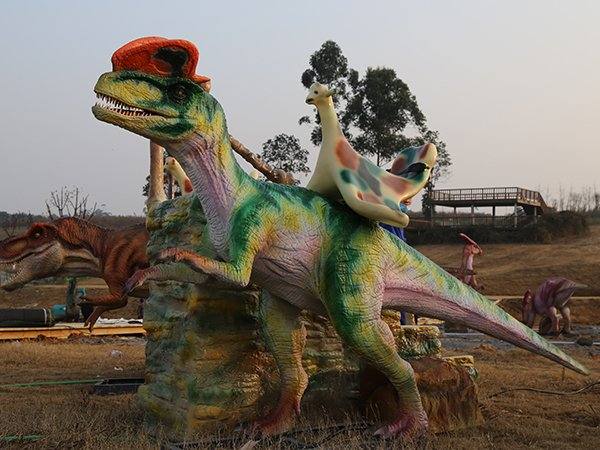
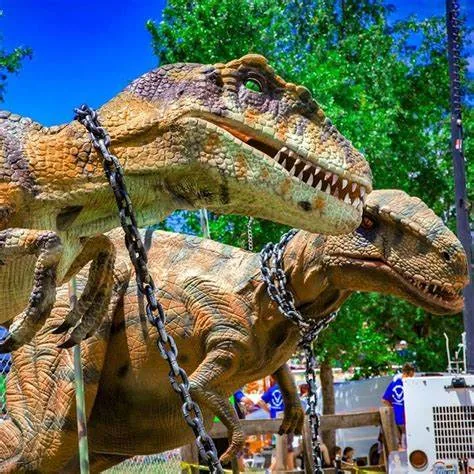
An open-jaw T-Rex or a rideable Triceratops is a photo machine. Every shared picture is marketing you do not pay for — plan the backdrop deliberately.
03
Repeat Visits
Rotate species, swap show programming, add seasonal scenes. Exhibits are modular — the park stays fresh without rebuilding the zone.
Recommended Mix
One Anchor, One Revenue Ride, One Show Piece
The combination most parks start with — one anchor, one revenue ride, one show piece. Scale up from there.
Place the Anchor Where It Can Be Seen From the Gate
Park installations live or die on placement. An anchor exhibit needs a sightline from the main path — hidden around a corner, it becomes a statue. Rides need a queue zone that does not block fire lanes. Show pieces need a crowd pocket where people can stop without stopping traffic.
Power is the other quiet constraint: each animatronic draws its own circuit, and outdoor runs need sealed, grounded lines from the first day. We plan power runs with your team before production starts, so nothing gets re-dug after opening.
Every park build ships with a site layout review — send us the plan and we will mark exhibit positions, power points and photo spots before anything is welded.
Theme Park FAQ
What Park Operators Ask
How many dinosaurs does a park zone need?
Most zones start with 8–15 units: one anchor, 2–3 show pieces, a ride cluster and trail fillers. We size the mix to your footprint — a bigger list is not a better park.
Can the rides run all day commercially?
Yes — park rides are built for commercial throughput with rated drives and duty cycles, staffed or coin-operated, with modular parts that swap out in minutes between shifts.
How do exhibits survive off-season?
Outdoor builds are rated −20°C to +60°C. For extreme off-seasons we provide a seasonal storage and startup routine — the same one our test-ground crew runs.
Can we add new species every season?
That is the intended model. Zones are designed modular so new species drop into existing layouts — power and foundations are planned for expansion from day one.
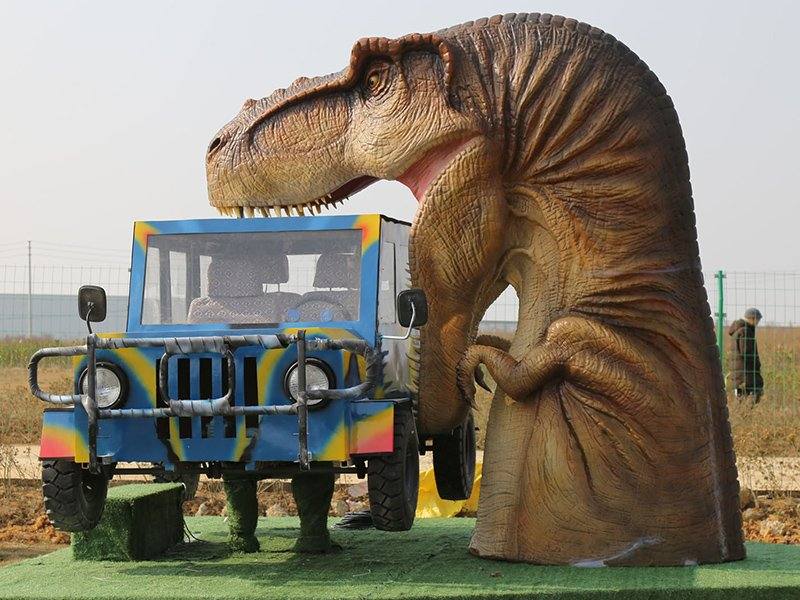
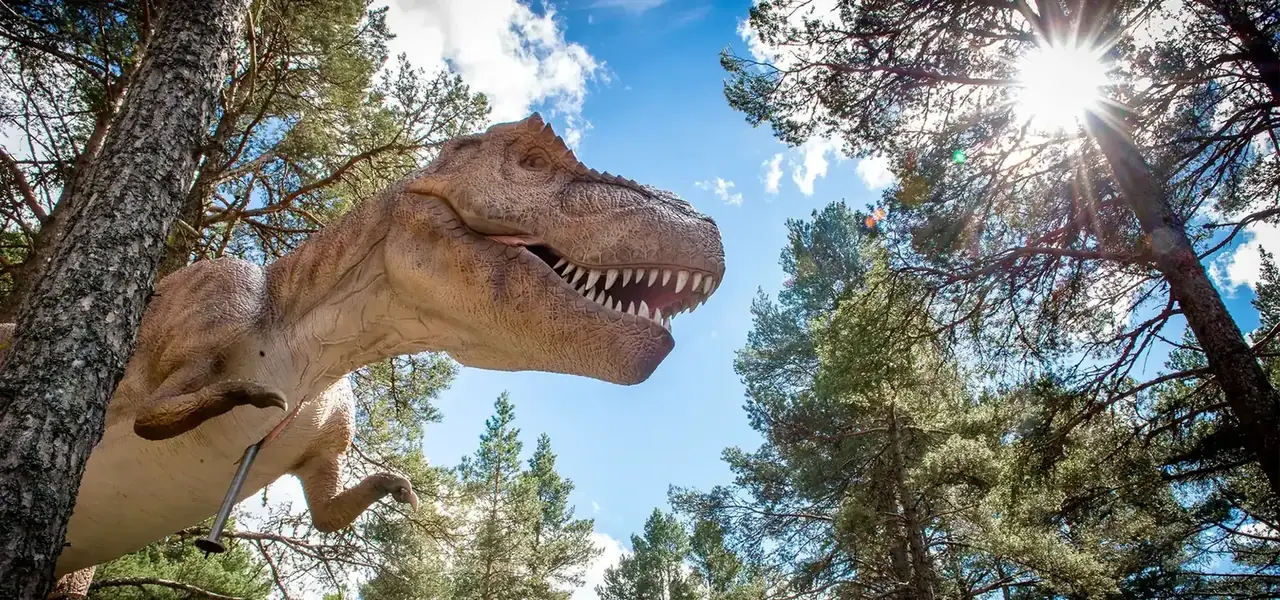
The safari-track section in the UK — a full-size T-Rex positioned over the track vehicle.
Jurassic Project · United Kingdom
A Safari Track Where the Predators Read at Vehicle Distance
Full-size predators placed along a safari track, built so the jaw opens above head height from a passing vehicle and the silhouette still holds from the tree line.
Sized for a moving viewer
A figure seen from a vehicle has seconds, not minutes. Scale and pose were set so the animal reads from the track itself, not only from a barrier where visitors stop.
Outdoor duty from the first day
Sealed power runs, drainage at the base and a UV-stable coat were specified before production, rather than added after the first season on site.